
Free Dental Care: A Guide to Eligibility and Access
 Bookicare | 3/4/2026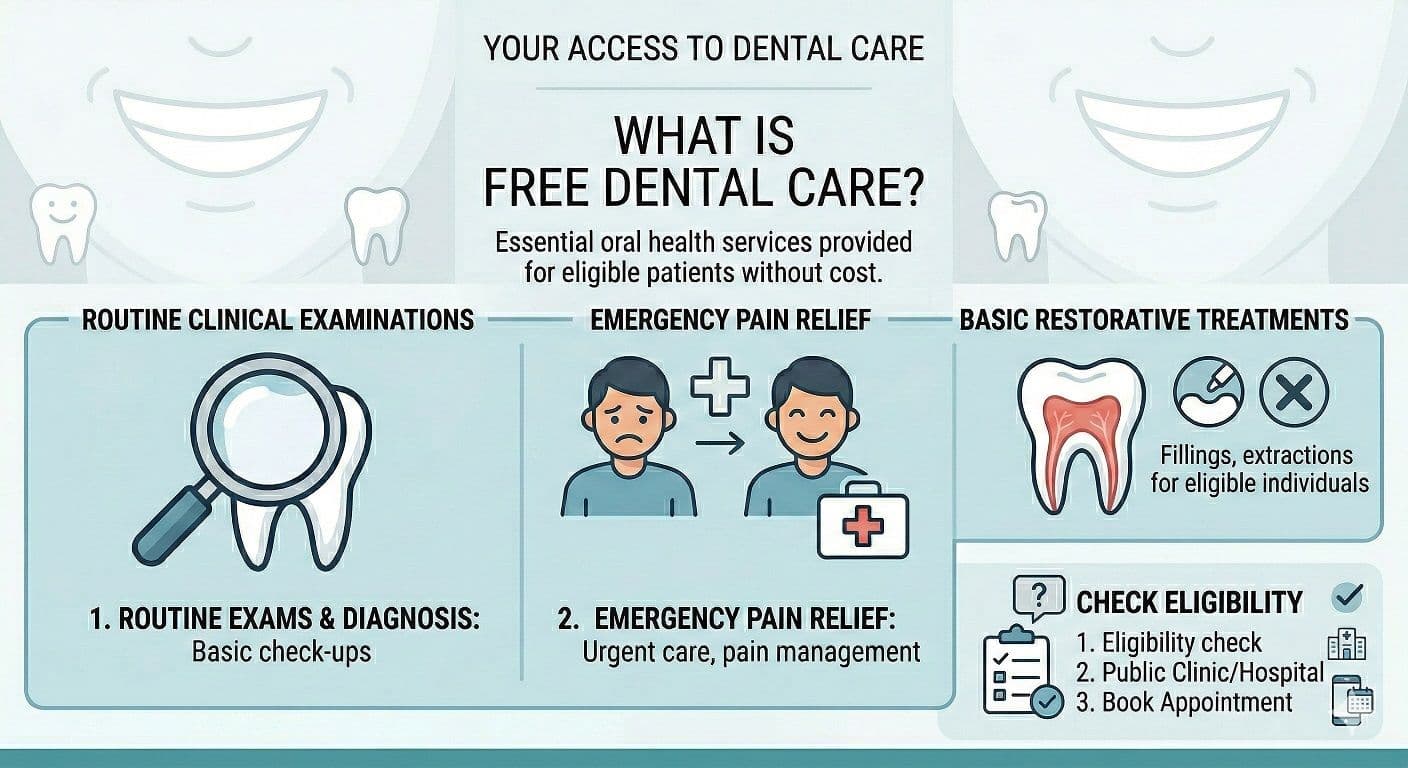
Understanding your rights to free dental care is essential for maintaining oral health without financial strain. While many advanced cosmetic procedures are private, various healthcare systems provide essential dental services at no cost for specific groups of people. This guide explains who is eligible and how to access these services.
What is Free Dental Care?
Free dental care refers to essential oral health services provided by state-funded or charitable organisations without out-of-pocket expenses for the patient. These services typically cover:
- Routine clinical examinations and diagnosis.
- Emergency pain relief and infection control.
- Basic restorative treatments, such as fillings or extractions, for eligible individuals.
Is Free Dental Care Possible?
Free dental care is possible in specific circumstances, but it is usually limited to essential or preventive services. Most public healthcare systems prioritise urgent care, pain relief, and basic oral health rather than cosmetic or elective treatments. Availability depends on country, residency status, age, income level, and medical need.
Government and Social Dental Programmes
Many countries offer free or subsidised dental care through government-funded or social healthcare programmes. These services are often provided in public clinics, teaching hospitals, or community dental centres.
Government dental programmes typically focus on:
- Emergency dental treatment
- Preventive care and oral health checks
- Basic restorative procedures
- Dental care for vulnerable groups
Access and coverage vary by location and eligibility criteria.
Who Can Benefit from Free Dental Care?
Free dental care is usually available to specific groups, such as:
- Children and adolescents
- Pregnant women
- Low-income individuals or families
- Elderly patients
- People with certain medical conditions or disabilities
Eligibility is assessed based on local regulations and healthcare policies.
Does Free Dental Care Cover Cosmetic Procedures?
Generally, free dental care is restricted to "clinically necessary" treatments. This means procedures like teeth whitening, veneers, or elective dental implants are almost always private and subject to standard dental charges.
How to Check Your Eligibility
Before scheduling a procedure, we recommend verifying your status through our platform to avoid unexpected costs
- Review Local Guidelines: Check official government or healthcare portals for the most up-to-date eligibility lists.
- Consult Your Provider: Ask your local clinic if they accept state-funded patients and what documentation you need to provide.
Last Articles
 Bookicare | 4/6/2026
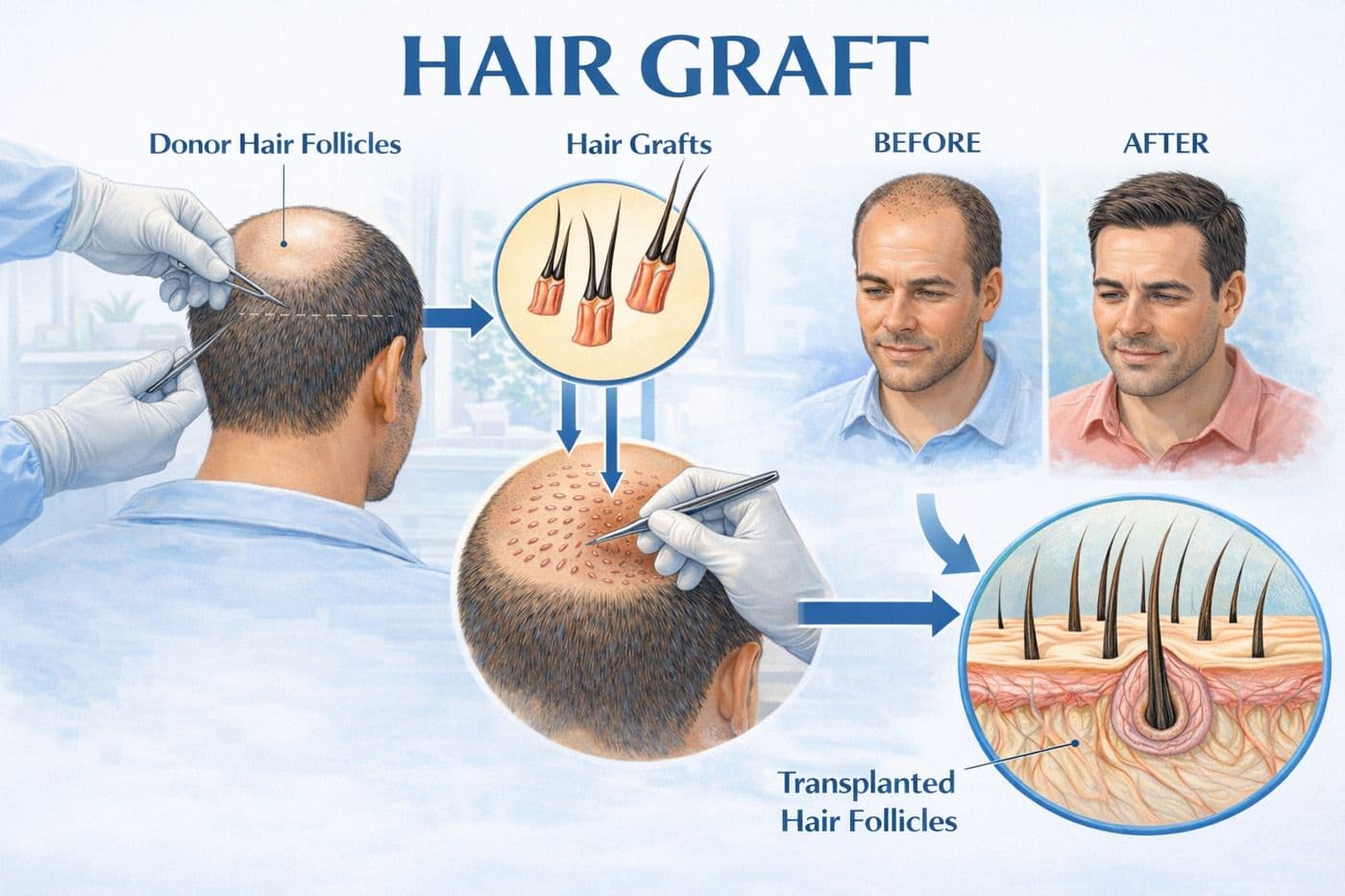
For many individuals experiencing thinning hair or a receding hairline, the journey toward restoring confidence often le...
 Bookicare | 4/3/2026
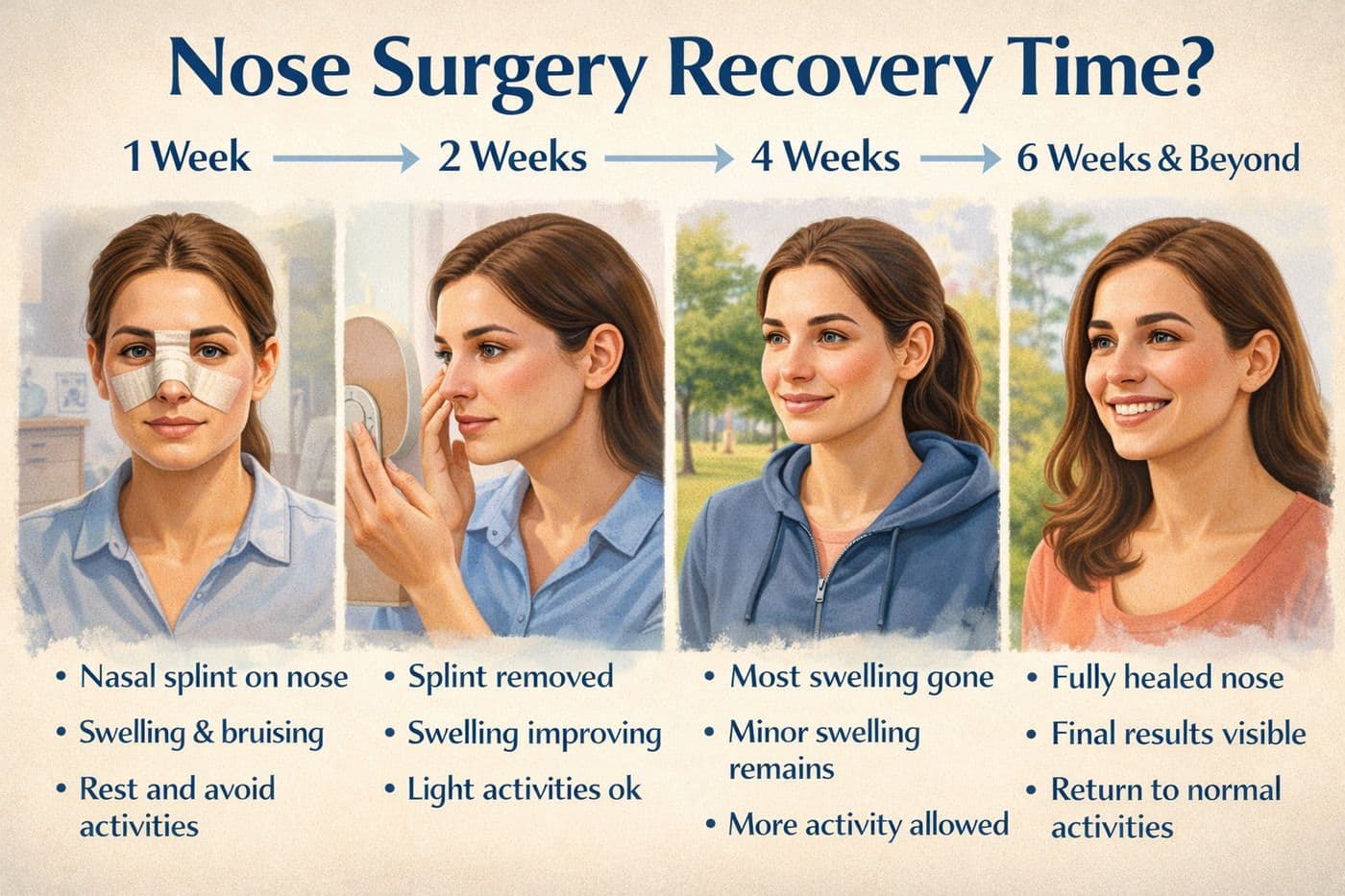
Deciding to undergo a structural or aesthetic change to your nose is a significant step. Whether you are seeking to impr...
 Bookicare | 4/1/2026
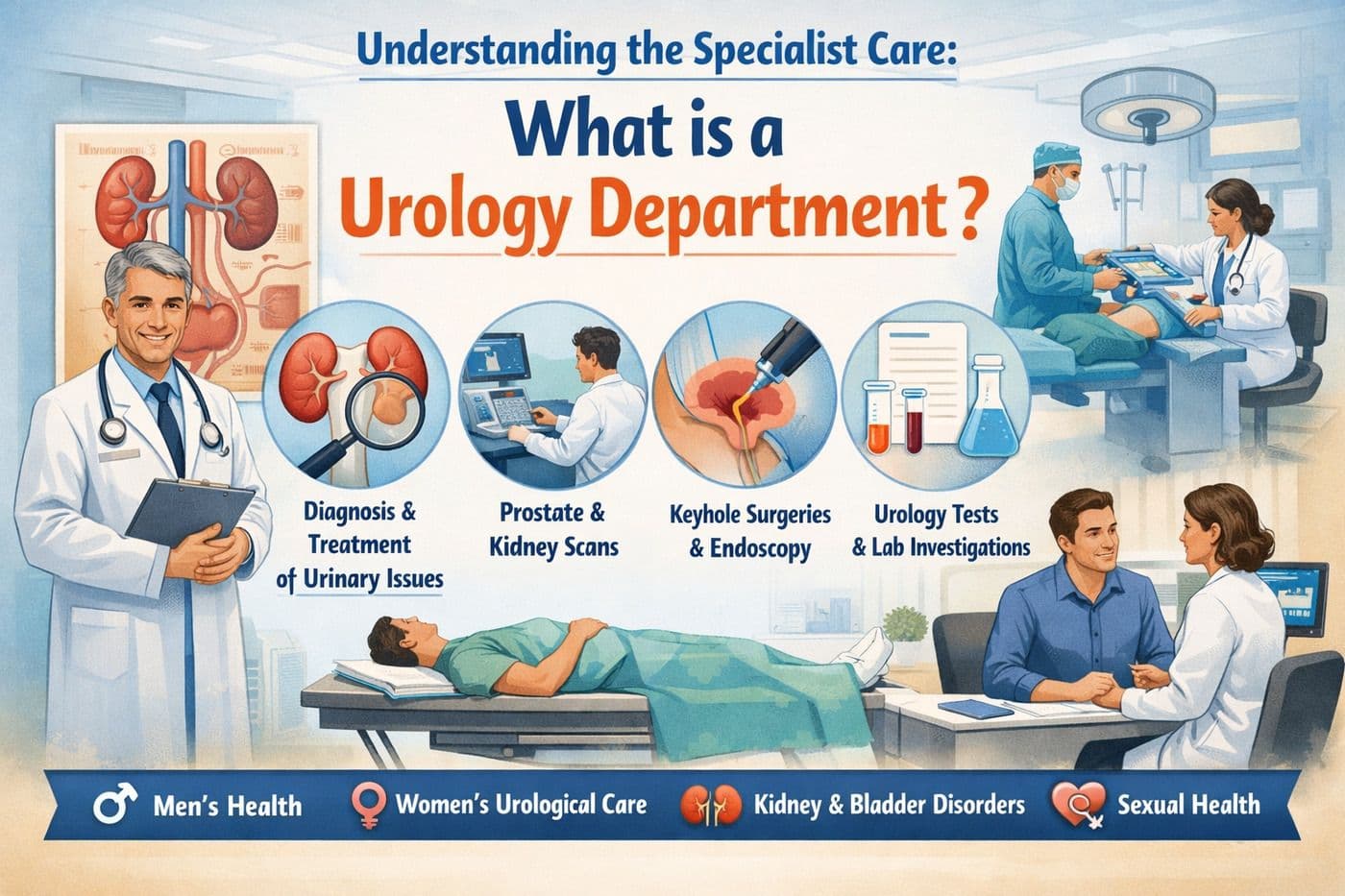
When a GP refers you to a hospital for kidney or bladder concerns, the first question many patients ask is, "What is a u...
Frequently Asked Questions
Who are you, Bookicare?
Which hospital do you represent?
Which clinic are you calling me from?
Will you help me obtain a visa?
Do I need to provide my medical records and passport?
What is the cost of Bookicare's services?
What is the cost of treatment?
Why do you recommend these particular clinics?
Does the clinic guarantee that the treatment will be effective?
Where will I stay?