
The Science of Restoration: Understanding the Hair Graft and Its Role in Hair Recovery
 Bookicare | 4/6/2026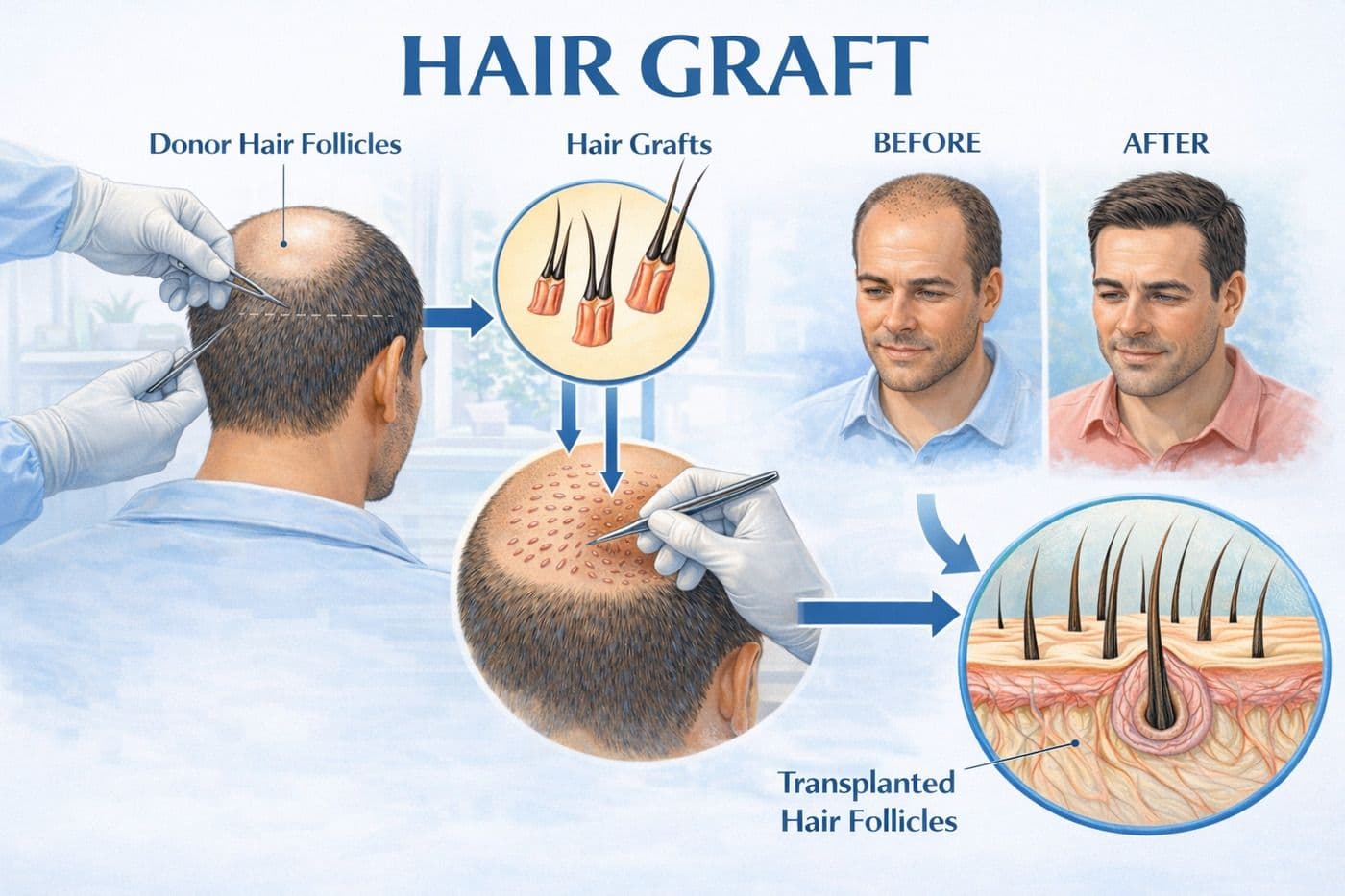
Table of Contents
Quick Menu
- What Exactly is a Hair Graft?
- Harvesting Techniques: FUE vs. FUT
- Follicular Unit Extraction (FUE)
- Follicular Unit Transplantation (FUT)
- The Journey of a Graft: From Donor to Recipient
- Factors Affecting Graft Survival
- The Timeline of Growth
- How Many Grafts Do You Need?
- Aftercare: Protecting Your Investment
- Conclusion: A New Chapter for Your Hair
- Frequently Asked Questions (FAQ)
For many individuals experiencing thinning hair or a receding hairline, the journey toward restoring confidence often leads to the doors of a specialist clinic. At the heart of modern restorative surgery lies a single, vital component: the hair graft. Understanding what these grafts are, how they are harvested, and how they grow is essential for anyone considering a permanent solution to hair loss.
A hair transplant is no longer the invasive, obvious procedure it was in decades past. Thanks to advancements in microsurgery, clinicians can now move individual follicular units with such precision that the final result is indistinguishable from natural growth. In this guide, we will explore the lifecycle of a graft, the techniques used to ensure its survival, and what you can expect from the recovery process.
What Exactly is a Hair Graft?
To understand the hair graft, one must first understand the anatomy of a hair follicle. A graft is a small piece of living tissue that contains a "follicular unit." These units typically consist of one to four individual hairs, along with their associated oil glands, nerves, small muscles, and connective tissue.
During a procedure, these units are carefully removed from a "donor area"—usually the back or sides of the head where hair is genetically programmed to resist thinning—and moved to the "recipient area" where the hair is sparse. The success of the surgery depends entirely on the health and handling of these delicate living tissues.
Harvesting Techniques: FUE vs. FUT
When you book a hair transplant, your surgeon will choose between two primary methods of harvesting. Both methods focus on obtaining high-quality grafts while minimising trauma to the scalp.
Follicular Unit Extraction (FUE)
FUE is the most popular modern method. In this technique, each hair graft is extracted individually using a specialised micro-punch tool.
- Benefits: It leaves tiny, dot-like scars that are virtually invisible, even with short hair.
- Recovery: The healing time is significantly faster than older methods.
Follicular Unit Transplantation (FUT)
Also known as "strip surgery," FUT involves removing a thin strip of skin from the donor area, which is then dissected under a microscope into individual follicular units.
- Benefits: It often allows for a higher number of grafts to be transplanted in a single session.
- Recovery: It leaves a linear scar, which is easily hidden by longer hair.
The Journey of a Graft: From Donor to Recipient
The process of moving a hair graft is a race against time. Once the tissue is removed from the body, it loses its blood supply. Surgeons use specialised storage solutions and temperature-controlled environments to keep the follicles alive until they are ready to be implanted.
- Extraction: Careful removal to avoid "transection" (damaging the bulb of the hair).
- Slivering and Sorting: Grafts are sorted by the number of hairs they contain. Single-hair grafts are used for the delicate hairline, while three or four-hair grafts are used to provide density in the crown.
- Site Creation: The surgeon creates tiny incisions in the recipient area, following the natural angle and direction of your existing hair.
- Implantation: The final step, where the follicles are placed into the sites.
Factors Affecting Graft Survival
Not every hair transplant produces the same results, and the survival rate of the grafts is the deciding factor. Several clinical and lifestyle factors influence whether a follicle "takes" in its new location:
- Hydration: Grafts must remain moist throughout the procedure. If they dry out, the cells responsible for hair growth will die.
- Temperature: Keeping the tissue chilled reduces its metabolic demand, helping it survive longer outside the body.
- Handling: Using "no-touch" techniques or specialised implantation pens (like the DHI method) reduces physical trauma to the bulb.
- Post-Op Care: Following the "no-scratch" rule is vital. Even a slight tug in the first few days can dislodge a graft before it has established a new blood supply.
The Timeline of Growth
One of the most important things to remember about a hair transplant is that the results are not immediate. Patients must navigate a specific biological timeline:
- Weeks 1–2: The grafts become "anchored" into the scalp. Small scabs will form and naturally fall off.
- Weeks 3–8: This is the "resting phase." Interestingly, the hair shafts within the new grafts will often fall out. This is perfectly normal and is known as "shock loss." The living follicle remains healthy beneath the skin.
- Months 3–6: New, fine hairs begin to emerge from the surface.
- Months 12–18: The hair matures, thickens, and reaches its full aesthetic potential.
How Many Grafts Do You Need?
The number of follicles required varies significantly between patients. A minor receding hairline might only require 1,000 to 1,500 units, while significant thinning across the top of the scalp may require 4,000 or more. A professional consultation is the only way to determine your specific needs based on your donor hair density and your long-term goals.
Aftercare: Protecting Your Investment
To ensure every hair graft thrives, you must follow a strict aftercare protocol provided by your clinic. In the UK, high-end clinics typically recommend:
- Sleeping in an upright position for the first three nights.
- Avoid wearing hats or helmets for at least a week.
- Use a gentle, pH-balanced spray or shampoo to keep the area clean without scrubbing.
- Avoid heavy exercise for two weeks to prevent sweating and blood pressure spikes.
Conclusion: A New Chapter for Your Hair
The hair graft is the building block of a successful restoration. While the technology behind the surgery is complex, the goal is simple: to give you back a natural, full head of hair that allows you to feel like yourself again. By choosing a clinic that prioritises graft health and uses the latest microsurgical techniques, you are investing in a result that will last for decades.
If you are ready to explore your options and want to learn more about the latest techniques, pricing, or patient success stories, we invite you to explore the Bookicare homepage. At BookiCare, we specialise in connecting you with elite clinics that uphold the highest standards of medical excellence.
Frequently Asked Questions (FAQ)
Does it look natural?
Yes. Because surgeons now use single-hair follicles for the front of the hairline, the result mimics the soft, irregular pattern of natural hair growth.
Is the procedure permanent?
The hair taken from the "donor area" is genetically resistant to the hormones that cause balding (DHT). Therefore, the transplanted hair should continue to grow for a lifetime.
Is it painful?
The scalp is numbed using local anaesthesia. Most patients report feeling some pressure during the procedure, but very little actual pain. Post-operative discomfort is usually managed with mild over-the-counter painkillers.
Last Articles
 Bookicare | 4/3/2026
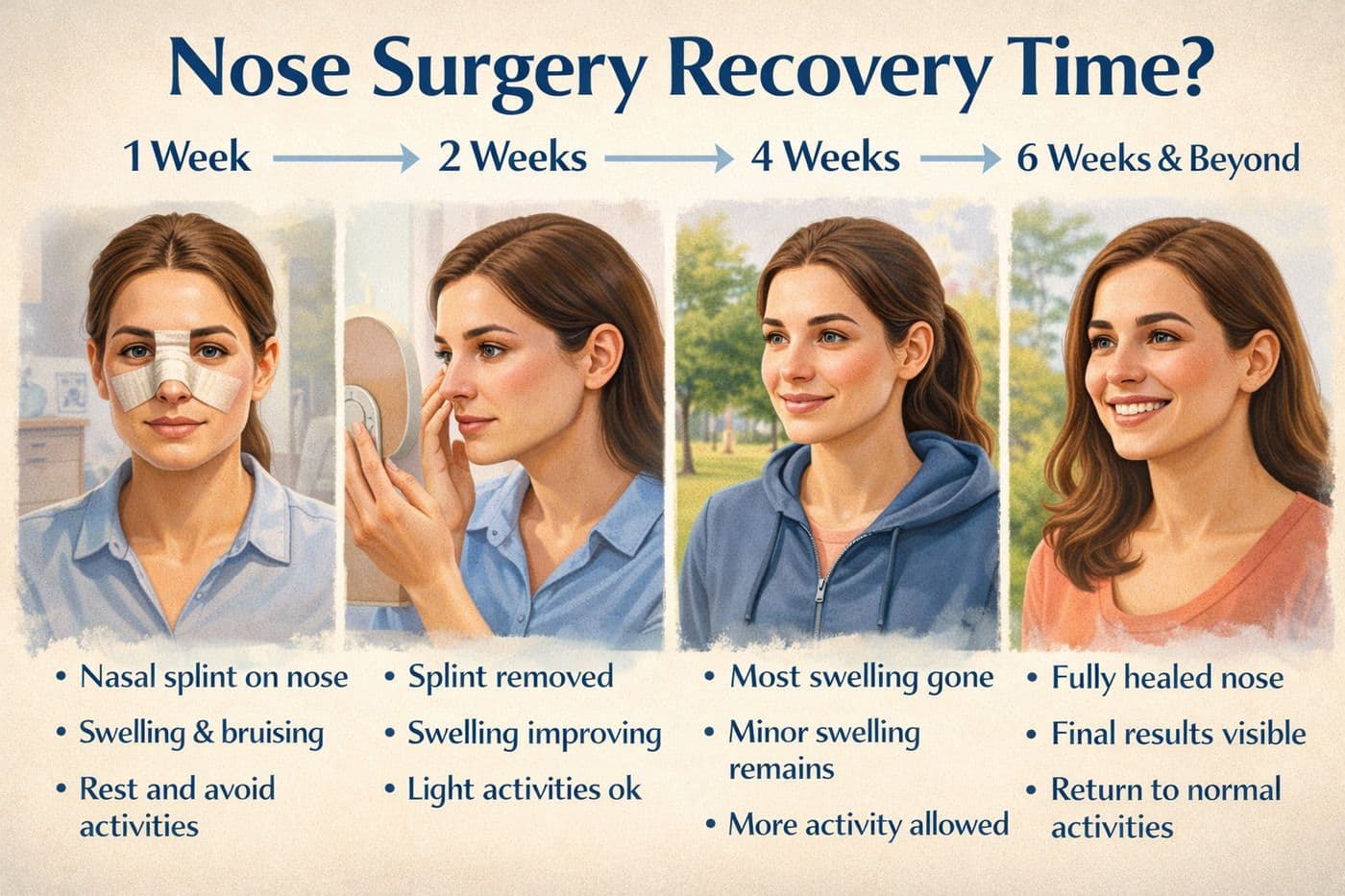
Deciding to undergo a structural or aesthetic change to your nose is a significant step. Whether you are seeking to impr...
 Bookicare | 4/1/2026
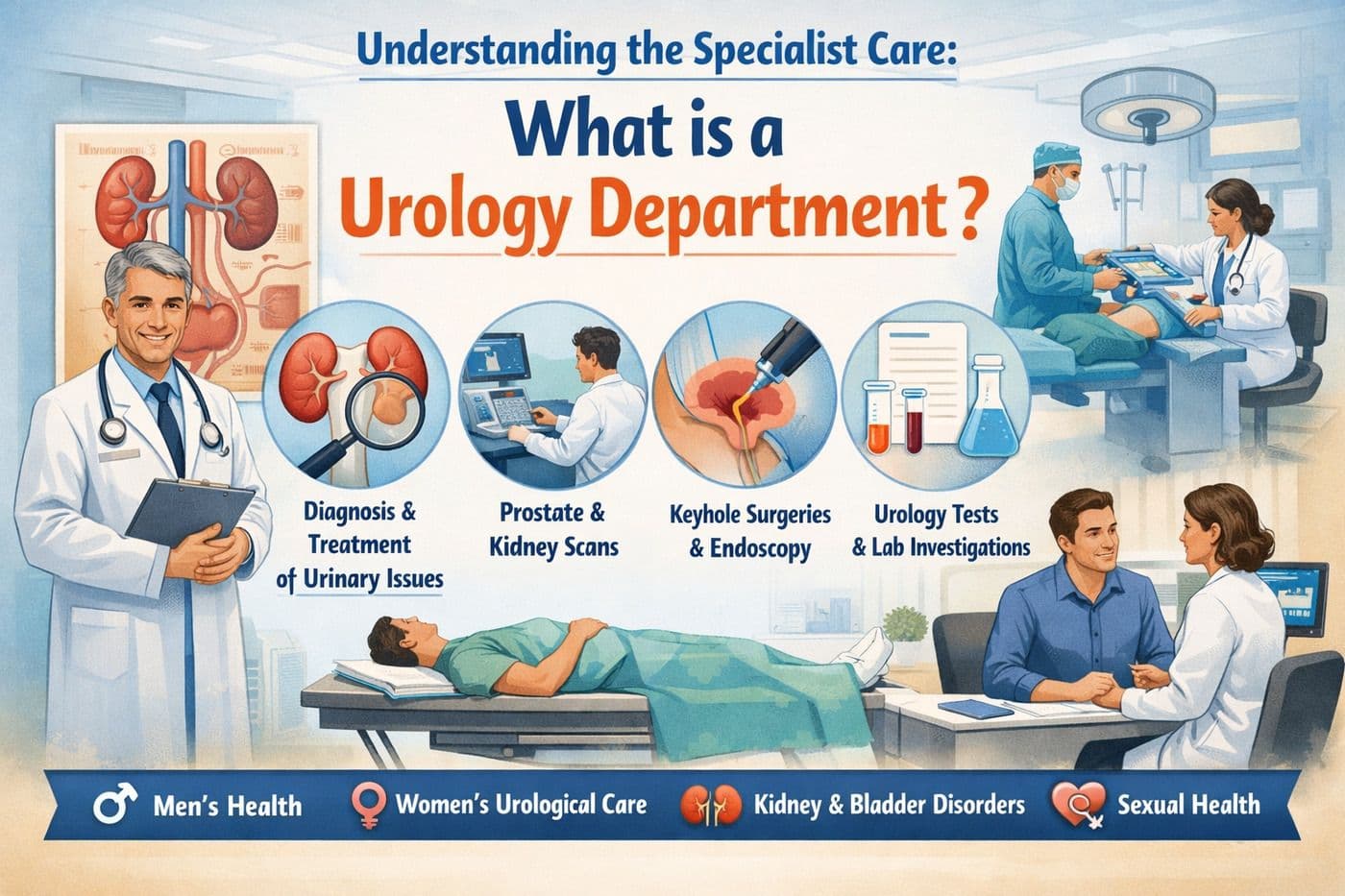
When a GP refers you to a hospital for kidney or bladder concerns, the first question many patients ask is, "What is a u...
 Bookicare | 3/30/2026
When we encounter the term "rehab," our minds often jump to specific, narrow contexts. However, the true meaning of reha...
Frequently Asked Questions
Who are you, Bookicare?
Which hospital do you represent?
Which clinic are you calling me from?
Will you help me obtain a visa?
Do I need to provide my medical records and passport?
What is the cost of Bookicare's services?
What is the cost of treatment?
Why do you recommend these particular clinics?
Does the clinic guarantee that the treatment will be effective?
Where will I stay?