Navigating Your Journey: A Complete Guide to Nose Surgery Recovery Time
 Bookicare | 4/3/2026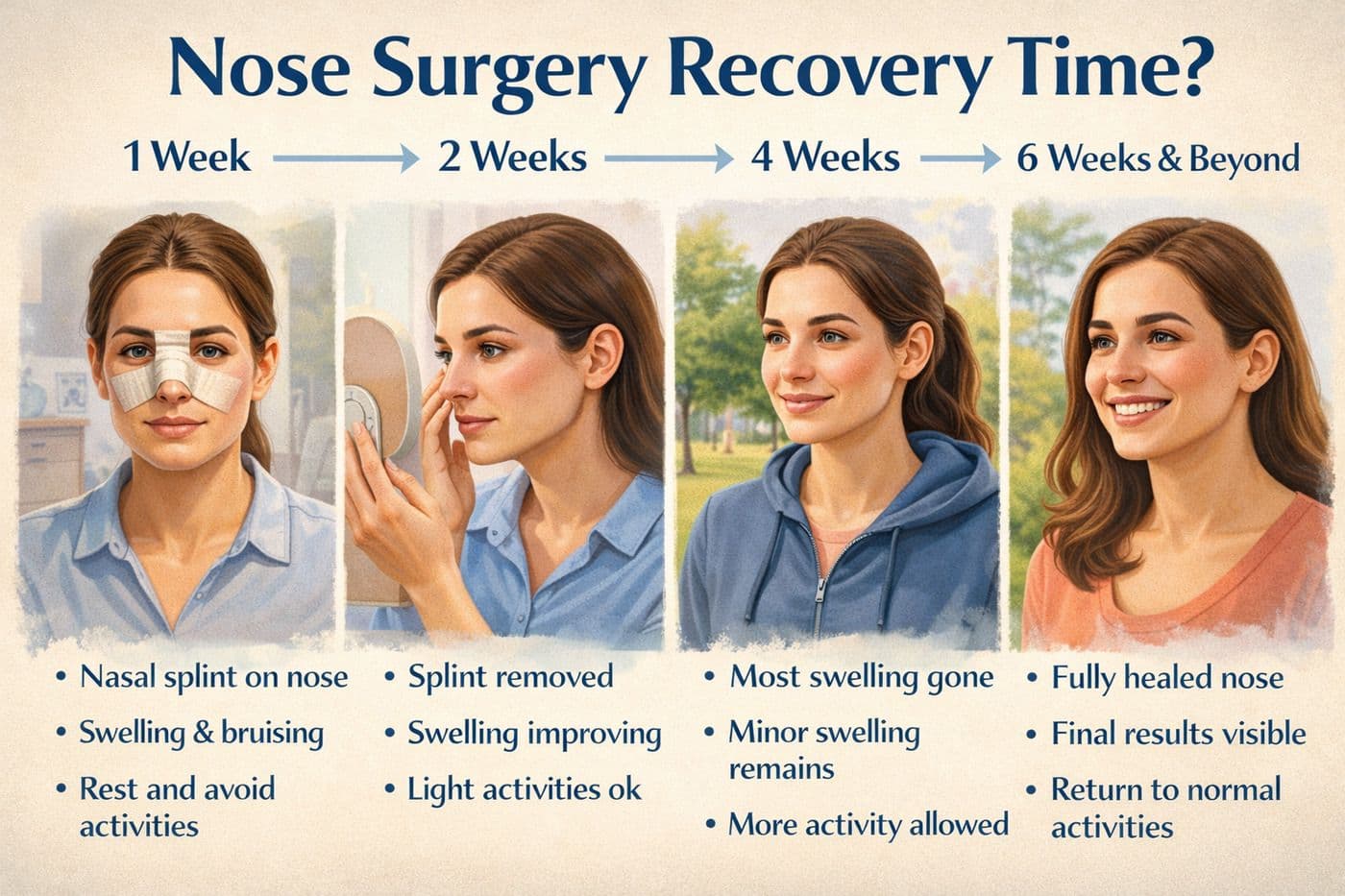
Table of Contents
Quick Menu
- The Immediate Aftermath: The First 24 to 72 Hours
- Week 1: Removing the Splint
- Weeks 2 to 4: Returning to Social Life
- Months 1 to 3: The Refinement Phase
- One Year On: The Final Result
- Essential Tips for a Faster Recovery
- When to Contact Your Surgeon
- Conclusion: A Worthwhile Wait
- Frequently Asked Questions (FAQ)
Deciding to undergo a structural or aesthetic change to your nose is a significant step. Whether you are seeking to improve your breathing or enhance your facial symmetry, understanding the nose surgery recovery time is essential for planning your life post-operation. While the surgical procedure itself takes only a few hours, the healing process is a gradual journey that requires patience, care, and adherence to clinical advice.
Commonly referred to as a nose job, this procedure is one of the most transformative types of facial plastic surgery. However, because the nose is a delicate structure composed of bone, cartilage, and soft tissue, the body requires ample time to adjust to its new shape. In this guide, we will break down the recovery milestones, offer tips for a smoother healing process, and explain what to expect at every stage.
The Immediate Aftermath: The First 24 to 72 Hours
The first few days following your rhinoplasty are the most critical. When you wake up from anaesthesia, you will likely have a splint on the outside of your nose and possibly soft "packing" inside the nostrils to support the new structure.
- Rest and Elevation: You must keep your head elevated at all times, even while sleeping, to minimise swelling and prevent bleeding.
- Common Sensations: It is normal to feel "stuffed up," similar to having a heavy cold. You may also experience a dull ache, which can be managed with prescribed pain relief.
- Swelling and Bruising: Most of the bruising occurs around the eyes. While it may look dramatic, this is a standard part of the nose surgery recovery time and typically peaks on day two or three.
Week 1: Removing the Splint
By the end of the first week, most patients reach their first major milestone. You will return to the clinic to have your external splint and any non-dissolvable stitches removed.
At this stage of the nose surgery recovery time, the initial intense swelling begins to subside. While your nose will still look "puffy," you will get your first glimpse of the new bridge and tip. Most people feel comfortable returning to remote work or sedentary activities at this point, although you should still avoid any strenuous movement.
Weeks 2 to 4: Returning to Social Life
Between the second and fourth week, the visible signs of a nose job—such as yellowing bruises or obvious redness—typically fade.
- Internal Healing: While the outside looks better, the internal tissues are still very fragile.
- Activity Levels: You can usually resume light walking, but heavy lifting and vigorous cardiovascular exercise remain off-limits to prevent a spike in blood pressure, which could cause internal swelling.
- Spectacles and Sunglasses: You should avoid resting glasses directly on the bridge of your nose for at least four weeks, as the bone and cartilage are still setting into place.
Months 1 to 3: The Refinement Phase
By the end of the third month, approximately 90% of the swelling from your rhinoplasty will have disappeared. During this phase, you will notice the definition of the nose becoming much clearer.
However, it is important to remember that the nasal tip is the last area to heal. It has the thickest skin and holds onto fluid longer than the bridge. If your nose surgery recovery time feels slow during this period, do not worry; subtle changes are happening every day beneath the surface.
One Year On: The Final Result
The true end of the nose surgery recovery time is generally considered to be one year post-op. It takes a full twelve months for the skin to fully "shrink-wrap" over the new underlying framework and for all minor residual swelling to dissipate.
At the one-year mark, your rhinoplasty results are considered permanent. The tissues have matured, and the final shape is fully established. This is the point where you can truly appreciate the precision of the surgery and how it complements your other facial features.
Essential Tips for a Faster Recovery
To ensure your nose job heals as efficiently as possible, follow these professional guidelines:
- Follow the "No Touch" Rule: Avoid blowing your nose for at least two weeks. Use saline sprays as directed by your surgeon to keep the passages clear.
- Stay Hydrated and Eat Well: A diet rich in protein and Vitamin C supports tissue repair and reduces inflammation.
- Avoid Sun Exposure: The skin on your nose will be highly sensitive after surgery. Sunburn can cause permanent discolouration and increased swelling.
- No Smoking: Nicotine constricts blood vessels, which can significantly delay healing and increase the risk of complications.
When to Contact Your Surgeon
While complications are rare when performed by a qualified expert, you should monitor your nose surgery recovery time closely. Contact your clinic if you experience:
- A sudden, heavy nosebleed that won't stop.
- A high fever or unusual discharge from the incisions.
- Sudden, sharp pain that is not relieved by medication.
Conclusion: A Worthwhile Wait
The nose surgery recovery time is a marathon, not a sprint. While the desire to see your final look immediately is natural, giving your body the space to heal correctly is the best way to ensure a beautiful, long-lasting result.
If you are considering a nose job and want to learn more about the surgical techniques, pricing, or patient success stories, we invite you to explore the Bookicare homepage . At BookiCare, we are dedicated to connecting you with the most skilled surgeons to ensure your journey is safe and your results are exceptional.
Frequently Asked Questions (FAQ)
Is a nose job painful?
Most patients describe the sensation as "pressure" or "congestion" rather than acute pain. The discomfort is usually very manageable with standard pain relief during the first few days.
When can I fly after surgery?
Most surgeons recommend waiting at least 10 to 14 days before flying to avoid issues with air pressure and the risk of dehydration or nosebleeds.
Will my voice change?
If the surgery involves significant internal functional work (such as a septoplasty), your voice may sound slightly different while you are congested, but it typically returns to normal once the swelling goes down.
Last Articles
 Bookicare | 4/6/2026
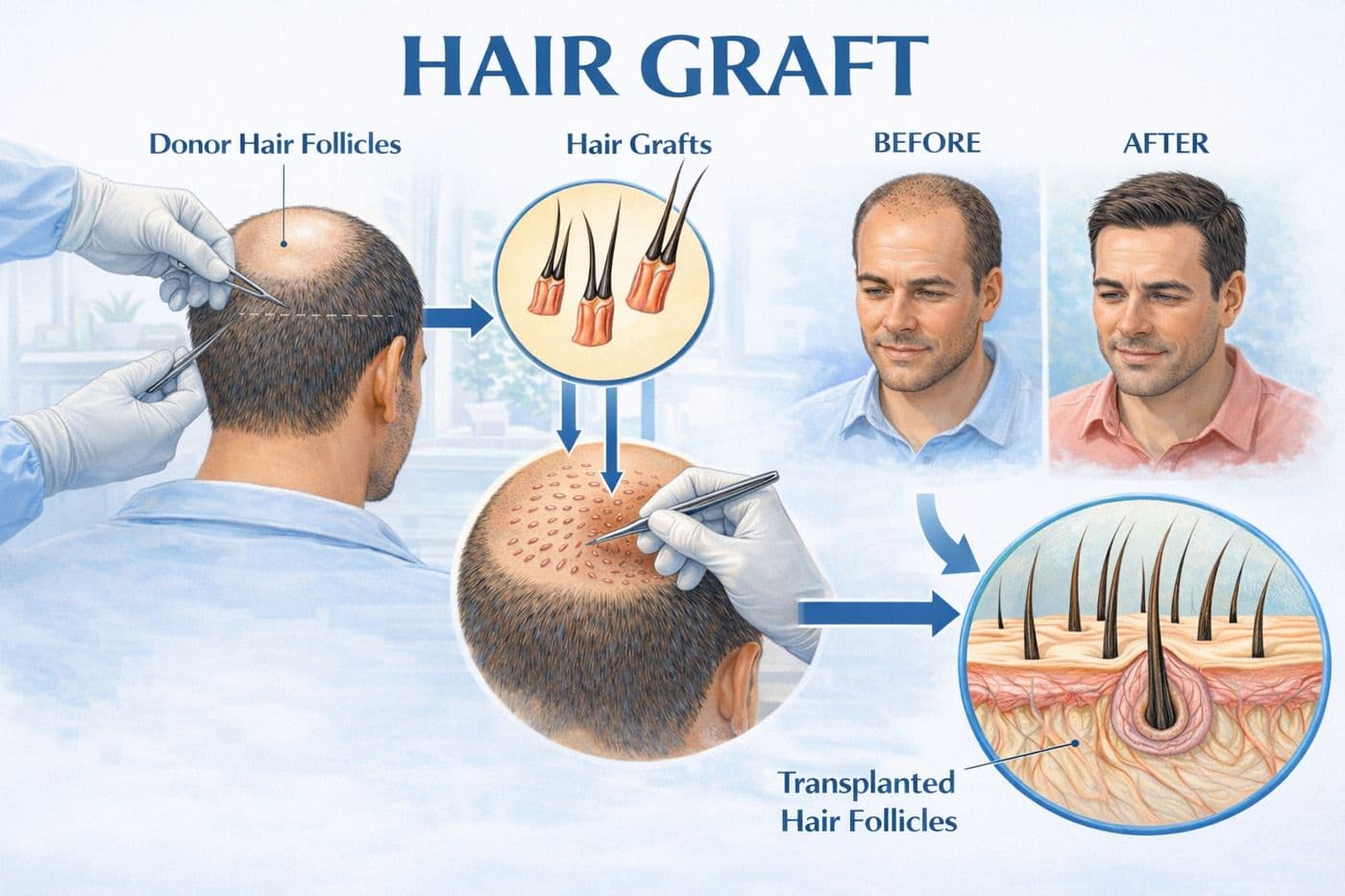
For many individuals experiencing thinning hair or a receding hairline, the journey toward restoring confidence often le...
 Bookicare | 4/1/2026
When a GP refers you to a hospital for kidney or bladder concerns, the first question many patients ask is, "What is a u...
 Bookicare | 3/30/2026
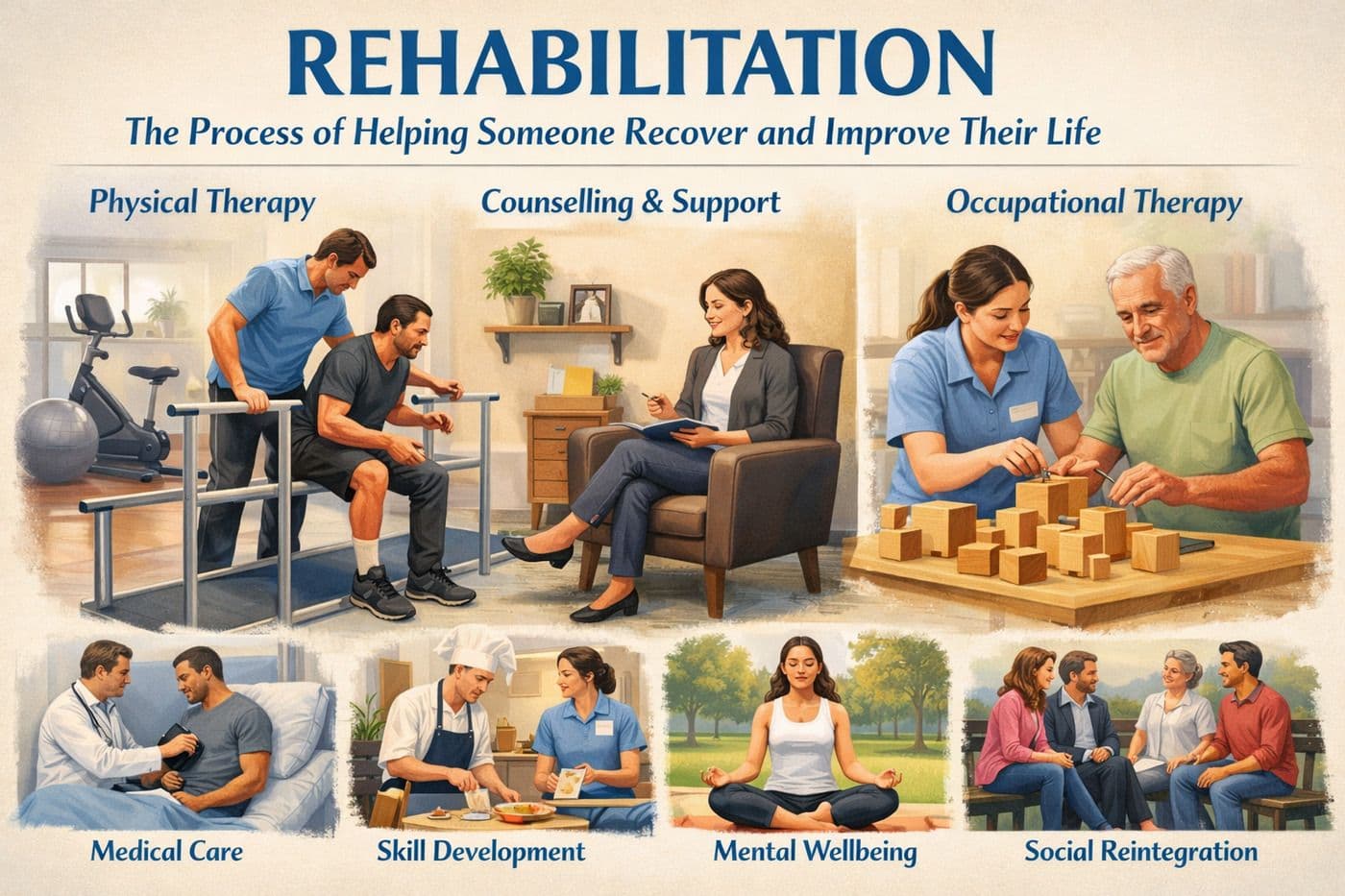
When we encounter the term "rehab," our minds often jump to specific, narrow contexts. However, the true meaning of reha...
Frequently Asked Questions
Who are you, Bookicare?
Which hospital do you represent?
Which clinic are you calling me from?
Will you help me obtain a visa?
Do I need to provide my medical records and passport?
What is the cost of Bookicare's services?
What is the cost of treatment?
Why do you recommend these particular clinics?
Does the clinic guarantee that the treatment will be effective?
Where will I stay?