



Dental Treatment in Turkey - Best Clinics & Prices

Maintaining a healthy smile involves more than just brushing; it requires professional care tailored to your needs. Whether you are seeking routine maintenance or specific restorative procedures, understanding your options is the first step toward achieving optimal oral health.
From the most trusted and high-quality clinics
The best treatment offers in Turkey
International-standard healthcare services
Experienced and highly specialized doctors
Free pre-consultation
24/7 patient support team

Add Filter

Search by Doctor Name
Cities
Hospital Name
Review Score

Discover the Best Dental Treatment In Turkey

What Is Dental Treatment?

Dental treatment encompasses a wide range of services designed to prevent, diagnose, and treat conditions affecting the teeth, gums, and mouth. From preventive check-ups to complex restorative surgeries, modern dentistry ensures your smile remains both functional and aesthetically pleasing.

Regular dental treatment helps prevent long-term problems, reduces the risk of pain or infection, and supports overall health.

Who is Dental Treatment Suitable For?

Dental treatment is suitable for people of all ages. Whether you require routine monitoring, treatment for tooth decay, or assistance managing gum health, professional dental care supports both immediate needs and long-term oral hygiene.

Early and regular treatment often prevents more complex procedures from being necessary at a later stage.

What Is Dental Treatment?

Dental Treatment Price Comparison

The cost of dental treatments varies significantly depending on the type of procedure, country, clinic standards, and materials used. Advanced dental technology, specialist expertise, and whether treatment is cosmetic, or restorative all influence overall pricing.

Average Dental Treatment Costs by Country

Treatment Type Turkey (TR) United Kingdom (UK) United States (USA) Germany (DE)
Dental Implant (Single Tooth) $500 – $1,200 $2,000 – $3,500 $3,000 – $6,000 $1,800 – $3,000
All-on-4 / Full Mouth Implants $4,000 – $8,000 $12,000 – $25,000 $20,000 – $45,000 $10,000 – $20,000
Tooth Filling (Composite) $50 – $150 $150 – $350 $200 – $500 $120 – $300
Dental Crown (Porcelain / Zirconia) $200 – $500 $600 – $1,200 $800 – $1,800 $500 – $1,000
Teeth Whitening (Professional) $150 – $400 $400 – $800 $500 – $1,000 $300 – $700
Root Canal Treatment $150 – $400 $500 – $1,200 $700 – $2,000 $400 – $900
Dental Veneers (Single Tooth) $200 – $500 $700 – $1,500 $1,000 – $2,500 $600 – $1,200

How to Interpret These Dental Cost Differences

  • Turkey (TR): Dental treatments in Turkey are significantly more affordable while maintaining high clinical standards and modern dental technology. Many clinics offer all-inclusive dental packages, often including consultation, imaging, and follow-up care.
  • United Kingdom (UK): Private dental treatment costs in the UK are considerably higher due to operational expenses and regulatory standards. While NHS coverage exists, it is often limited to basic or essential care.
  • United States (USA): The USA has some of the highest dental treatment costs worldwide. Pricing is influenced by insurance structures, clinic fees, and specialist involvement, with many procedures billed separately.
  • Germany: Germany offers high-quality dental care with strict regulatory oversight. Prices are generally lower than in the USA and UK but higher than in Turkey, reflecting advanced materials and clinical standards.
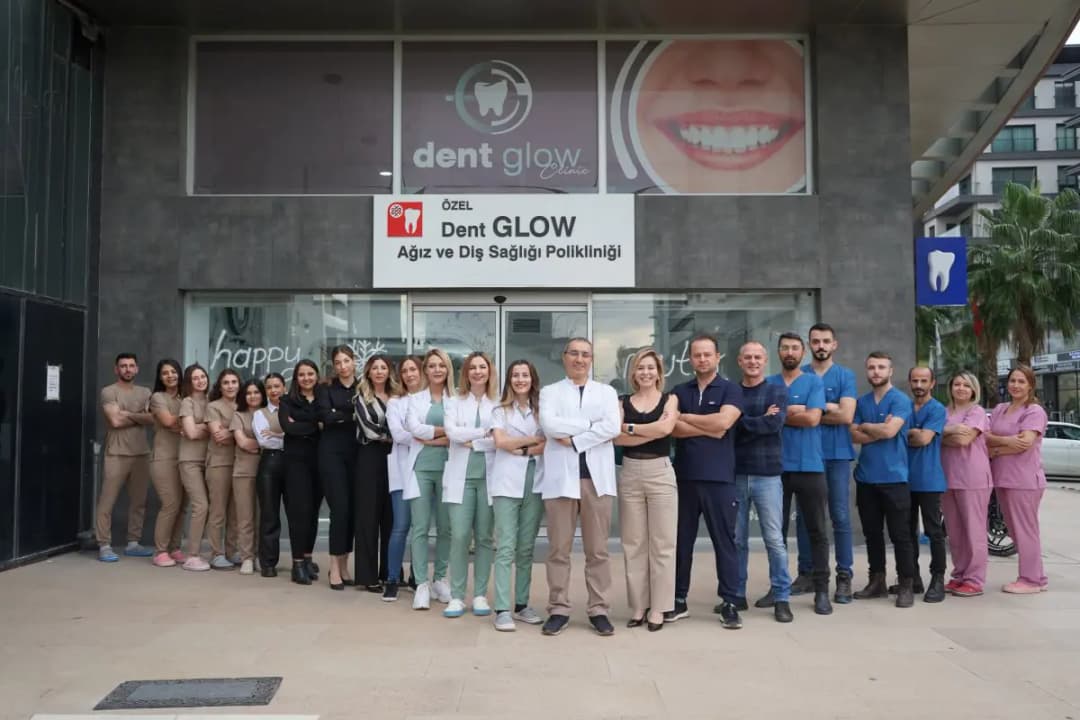
Clinic Facility Highlight

Take the Next Step

If you are considering dental treatment, professional guidance is the best place to start.

  • Book an Appointment – Schedule your visit with a qualified dentist.
  • Get a Free Consultation – Discuss your treatment options.
  • Contact the Clinic – Ask questions or request further information.

By using these targeted filters, you can compare clinical standards and book your appointment with confidence.

Frequently Asked Questions (FAQ)

How often should I have dental treatment?

Routine check-ups are usually recommended regularly, even without symptoms.

Is dental treatment painful?

Modern techniques aim to minimise discomfort and improve patient comfort.

Can dental problems be prevented?

Yes. Regular dental treatment and good oral hygiene reduce the risk of future issues.

How do I know if I need a tooth filling?

Common signs include persistent sensitivity to hot or cold, visible holes or dark spots, and sharp pain when biting. Regular check-ups are vital for early detection as some cavities don't cause pain initially.

Which filling material is best for me?

It depends on the cavity's location and aesthetics. Composite resins match natural tooth colour for front teeth, while durable materials like porcelain or amalgam are often recommended for back molars.

Is the tooth filling procedure painful?

Not at all. Dentists use local anaesthetic to numb the area, ensuring you won’t feel pain during decay removal or filling. Recovery is usually quick with only minor sensitivity.

How long does a tooth filling last?

On average, a well-maintained filling lasts between 7 to 15 years, depending on the material used and your oral hygiene habits.

Can I eat immediately after getting a filling?

With composite fillings, you can eat once the anaesthetic wears off. For silver amalgam fillings, it is recommended to wait at least 24 hours for the material to set completely.

Why do dental charges vary so much between clinics?

Variations are driven by clinic location, technology used (like 3D imaging), dentist expertise, and the quality of materials used for treatments.

Are there any hidden costs I should be aware of?

Some treatments may involve extra fees for diagnostic imaging (X-rays/CT scans), sedation, or follow-up adjustments that might not be in the initial quote.

Why is dental treatment in Turkey more affordable than in the UK or USA?

Lower operational overheads, competitive exchange rates, and lower laboratory costs allow Turkey to offer international standards at 50-70% lower prices.

Can I get a fixed price before I travel to Turkey?

While a final plan requires an in-person exam, providing recent X-rays can help you secure a highly accurate preliminary quote for budgeting.

Is it worth paying more for premium dental materials?

Yes. High-quality materials like zirconia or E-max last longer and look more natural, potentially saving money long-term by reducing the need for replacements.

Who is entitled to free dental care?

Eligibility typically depends on age, medical status, or financial circumstances, such as children under 18 or pregnant women in systems like the UK’s NHS.

Does free dental care cover all types of treatments?

Generally, it is limited to clinically necessary procedures like exams, basic fillings, and emergency extractions. Cosmetic procedures are almost always private.

Can I get free dental implants or crowns?

Rarely. These are usually classified as cosmetic or advanced restorative work, though some state systems may provide basic crowns if medically essential.

How can I find a dentist that offers free or subsidised care?

Public health portals provide directories, and our platform allows you to filter by location to find clinics with specific programs or promotional consultations.

Are check-ups free for everyone?

Not for everyone, but many systems offer free or subsidised check-ups for priority groups like students or the elderly to encourage preventive care.

How much is a dental check up on average?

Costs vary by location; while private fees in the UK/USA can be $90-$250, a routine check-up in Turkey typically ranges between $20 and $60.

What exactly am I paying for during a check-up?

The fee covers a visual assessment, oral cancer screening, and hygiene advice. Some clinics may include digital X-rays or a basic scale and polish.

Why do some clinics charge more for the first visit?

Initial visits often require a more detailed health history, full diagnostic X-rays, and more time to create a personalised treatment plan.

Are X-rays included in the dental check-up cost?

Often they are billed separately, but some clinics offer all-inclusive diagnostic packages for international patients.

How often should I pay for a check-up?

Most dentists recommend a check-up every six months to detect issues early and avoid the high costs of emergency treatments or complex surgeries.