
What Is Rhinoplasty? A Complete Guide to Nose Surgery
 Bookicare | 3/13/2026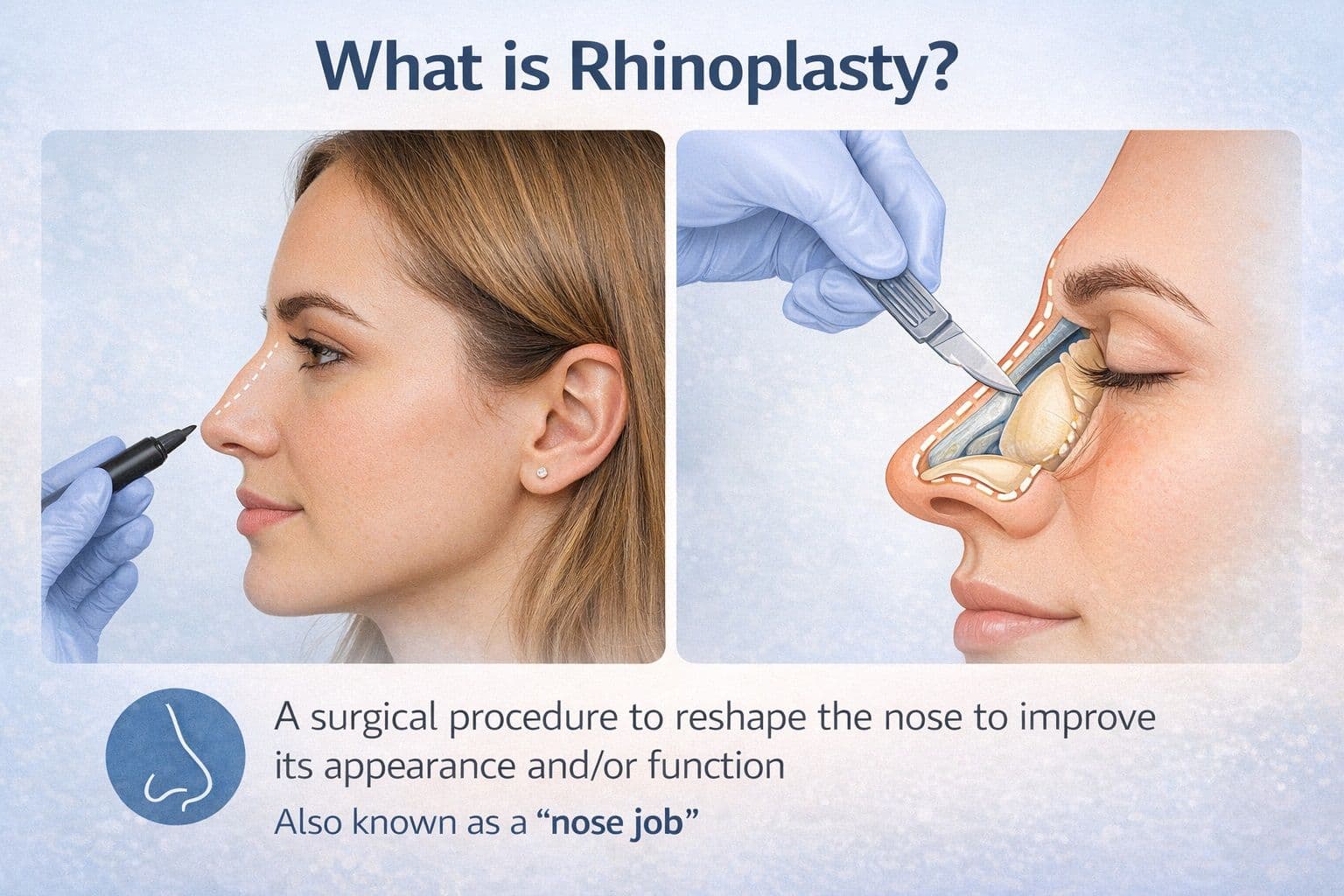
Rhinoplasty is a surgical procedure designed to reshape or reconstruct the nose. For a complete overview of all our techniques, visit our Rhinoplasty guide. Commonly referred to as a nose job, rhinoplasty can improve both the appearance and function of the nose. The procedure may be performed for cosmetic reasons, medical purposes, or a combination of both.
As one of the most popular facial plastic surgeries worldwide, rhinoplasty helps address concerns such as nasal asymmetry, a prominent nasal hump, a drooping nasal tip, or breathing difficulties caused by structural abnormalities.
Understanding what rhinoplasty is, how it works, and who may benefit from the procedure can help individuals make informed decisions about nose surgery. Explore our full range of aesthetic treatments on our Homepage.
What Does Rhinoplasty Do?
Rhinoplasty modifies the structure of the nose to achieve improved facial balance or better nasal function. During the procedure, surgeons reshape the nasal bone, cartilage, or soft tissue to create a more harmonious appearance.
The surgery may involve:
- Reducing or reshaping the nasal bridge
- Refining the nasal tip
- Narrowing the nostrils
- Correcting asymmetry
- Improving airflow by adjusting internal nasal structures
In many cases, rhinoplasty combines cosmetic improvements with functional corrections, especially for patients who experience breathing problems due to structural issues.
Why Do People Get Rhinoplasty?
People choose rhinoplasty for a variety of reasons. Some individuals wish to improve the appearance of their nose, while others undergo surgery to correct medical conditions that affect breathing.
Common reasons for rhinoplasty include:
- Dissatisfaction with the shape or size of the nose
- A noticeable bump on the nasal bridge
- A crooked or asymmetrical nose
- A wide or bulbous nasal tip
- Breathing problems caused by a deviated septum
- Nasal injuries or trauma
Because the nose plays a central role in facial aesthetics, even small adjustments can significantly enhance overall facial harmony.
Types of Rhinoplasties
There are several types of rhinoplasty procedures, depending on the surgical approach and the patient’s specific needs.
Open Rhinoplasty
Open rhinoplasty involves a small incision made between the nostrils. This approach allows the surgeon full visibility of the nasal structures, making it suitable for more complex reshaping procedures.
Closed Rhinoplasty
Closed rhinoplasty is performed through incisions inside the nostrils, meaning no visible external scars are left. This technique is often used for less extensive nasal reshaping.
Revision Rhinoplasty
Revision rhinoplasty is performed when a patient seeks to correct or improve the outcome of a previous nose surgery. These procedures can be more complex due to changes in nasal structure from the initial surgery.
Who Is a Good Candidate for Rhinoplasty?
Rhinoplasty may be appropriate for individuals who are unhappy with the appearance or function of their nose and wish to improve facial balance or breathing.
Typical candidates include those who:
- have completed facial growth
- are in good general health
- have realistic expectations about surgical outcomes
- wish to correct cosmetic or structural nasal concerns
A consultation with a qualified surgeon is essential to determine whether rhinoplasty is suitable for a particular individual.
How Is Rhinoplasty Performed?
Rhinoplasty is usually performed under general anaesthesia in a hospital or surgical clinic. The procedure typically takes between one and three hours, depending on the complexity of the case.
During the surgery, the surgeon carefully reshapes nasal structures by modifying bone, cartilage, or soft tissue. Once the desired shape is achieved, the skin is repositioned, and the incisions are closed.
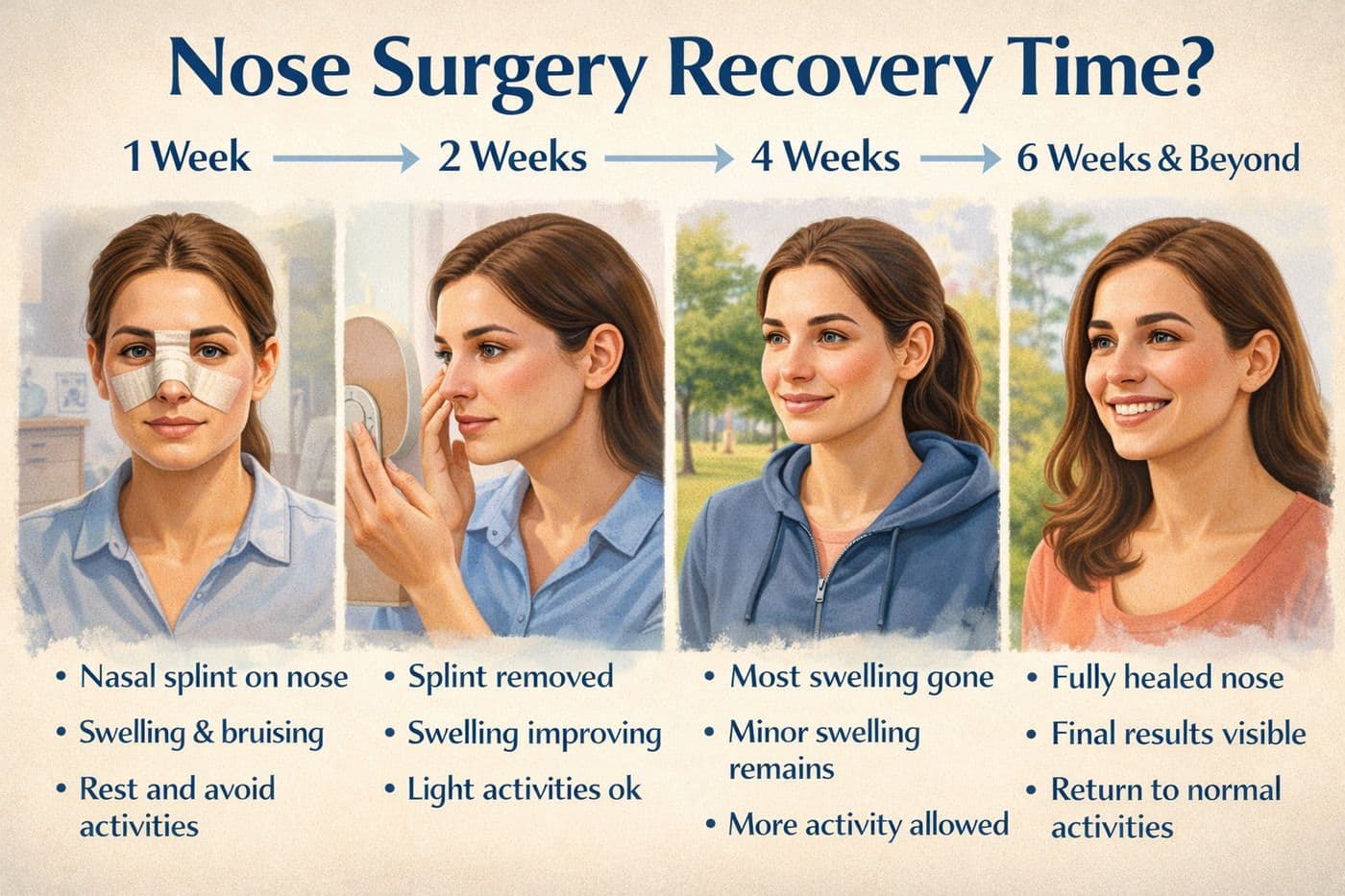
After the procedure, a protective splint may be placed on the nose to support healing and maintain the new shape during the early stages of recovery.
What Is the Recovery Time After Rhinoplasty?
Recovery after rhinoplasty varies from patient to patient. In the first few days following surgery, swelling and mild bruising around the nose and eyes are common.
Most patients can return to normal daily activities within one to two weeks, although strenuous physical activities should be avoided for several weeks.
While the initial healing period is relatively short, final results may take several months to become fully visible as swelling gradually subsides.
For a detailed explanation of the healing process, see our guide on nose surgery recovery time.
Last Articles
 Bookicare | 4/6/2026
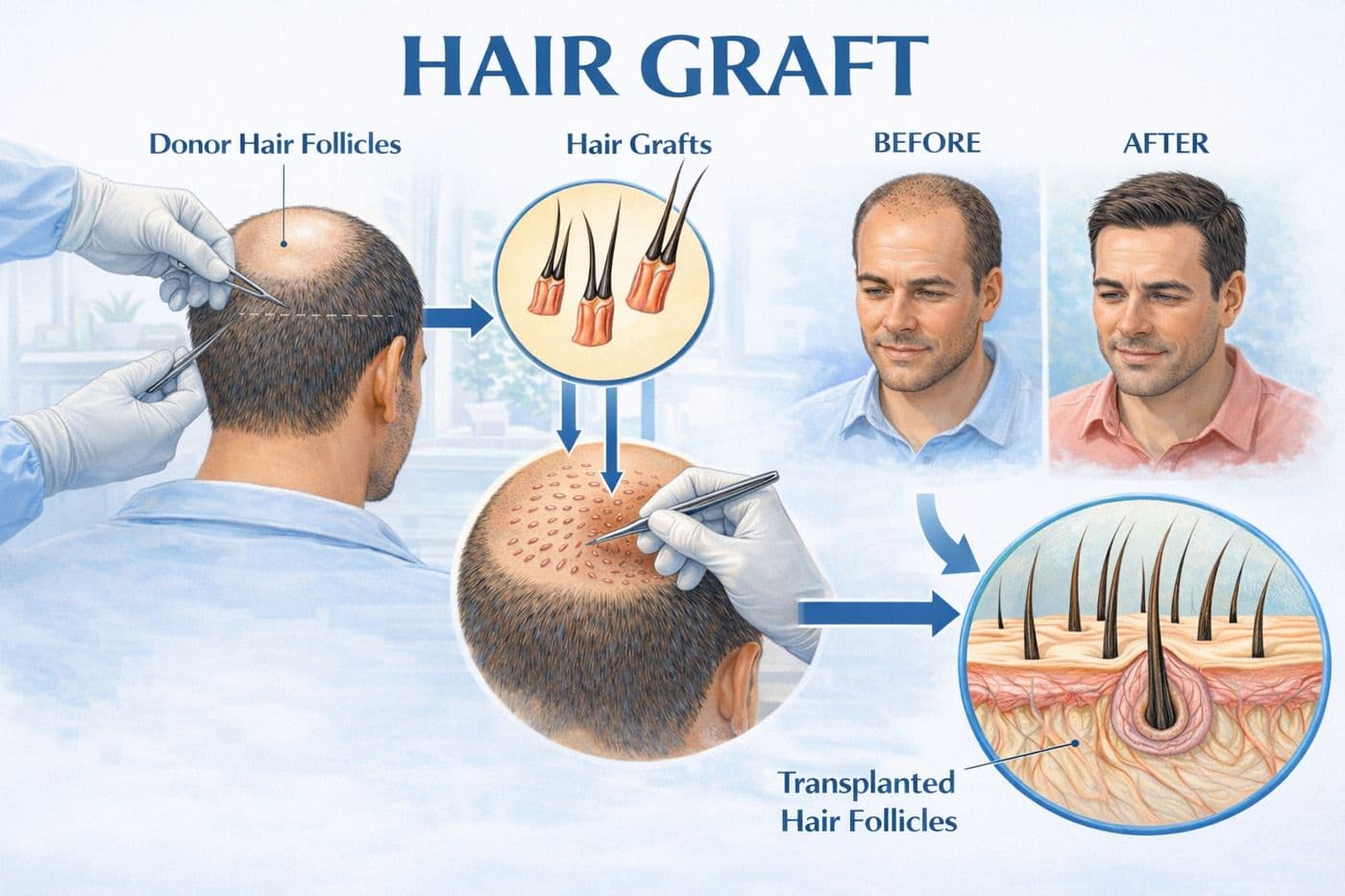
For many individuals experiencing thinning hair or a receding hairline, the journey toward restoring confidence often le...
 Bookicare | 4/3/2026
Deciding to undergo a structural or aesthetic change to your nose is a significant step. Whether you are seeking to impr...
 Bookicare | 4/1/2026
When a GP refers you to a hospital for kidney or bladder concerns, the first question many patients ask is, "What is a u...
Frequently Asked Questions
Who are you, Bookicare?
Which hospital do you represent?
Which clinic are you calling me from?
Will you help me obtain a visa?
Do I need to provide my medical records and passport?
What is the cost of Bookicare's services?
What is the cost of treatment?
Why do you recommend these particular clinics?
Does the clinic guarantee that the treatment will be effective?
Where will I stay?