
Weight Loss Surgery
 Bookicare | 2/16/2026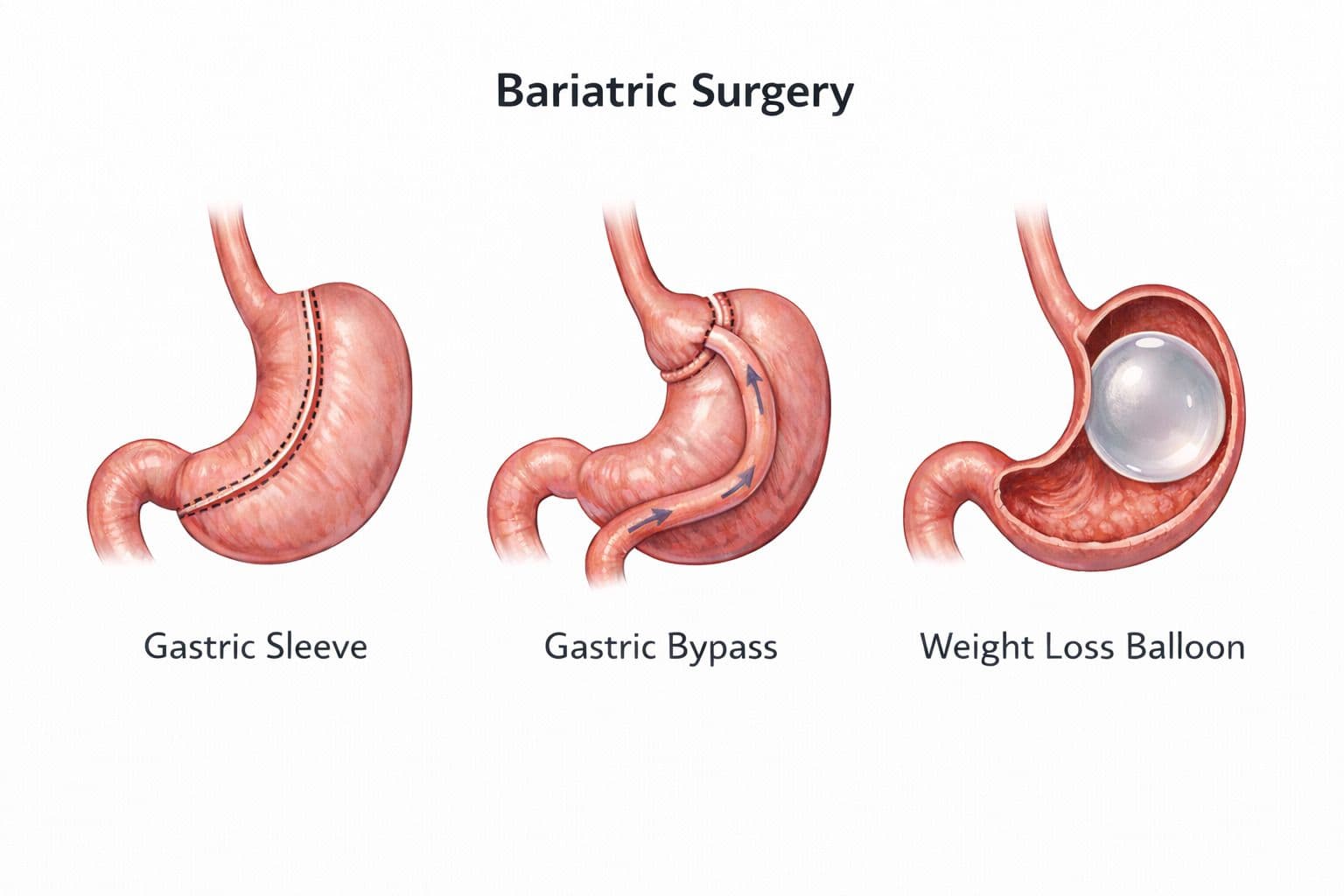
Table of Contents
Quick Menu
- Preparing for Weight Loss Surgery: Your Pre-Operative Journey
- Life After Weight Loss Surgery: The Path to Recovery
- Bariatric Surgery
- Gastric Sleeve
- Who Is a Suitable Candidate for Gastric Sleeve Surgery?
- How Is Gastric Sleeve Surgery Performed?
- How Long Does the Surgery Take?
- What Is the Recovery Time After Gastric Sleeve Surgery?
- What Are the Benefits of Gastric Sleeve Surgery?
- What Are the Risks and Possible Complications?
- Gastric Bypass
- Who is a Candidate for Gastric Bypass?
- How is Gastric Bypass Performed?
- How Long Does the Surgery Take?
- What is the Recovery Time?
- What Are the Benefits of Gastric Bypass Surgery?
- What Are the Risks and Possible Complications?
- Weight Loss Balloon
- Who is a Candidate for a Weight Loss Balloon?
- How is the Weight Loss Balloon Procedure Performed?
- How Long Does the Procedure Take?
- What is the Recovery Time?
- What Are the Benefits of Weight Loss Balloon Treatment?
- What Are the Risks and Possible Complications?
- Frequently Asked Question About Weight Loss Surgery
- Is weight loss surgery a permanent solution?
- How do I know if I am eligible for bariatric surgery?
- What is the difference between a gastric sleeve and a gastric bypass?
- How much weight can I expect to lose after bariatric surgery?
- Is the weight loss balloon reversible?
Deciding to undergo weight loss surgery is a life-changing step towards reclaiming your health and vitality when traditional diet and exercise have not yielded the desired results. As a comprehensive solution for long-term weight management, these advanced medical procedures are designed to help individuals overcome obesity and reduce the risk of weight-related health conditions. By choosing a tailored surgical path, you are not just investing in a slimmer profile but in a sustainable future of improved well-being and increased confidence. Explore our full range of healthcare solutions on our Homepage.
Preparing for Weight Loss Surgery: Your Pre-Operative Journey
Success in weight loss surgery starts long before you enter the operating theatre. Proper preparation is essential to minimise risks, ensure a smooth recovery, and set the foundation for your long-term lifestyle transformation. Following a structured pre-operative plan allows your body and mind to adjust to the changes ahead.
Key steps to take before your procedure include:
- Medical Evaluation: A series of comprehensive health checks, including blood tests and physical assessments, will be conducted to ensure you are fit for anaesthesia and the surgery itself.
- Pre-Operative Diet: Most surgeons require a specific low-calorie, high-protein diet for 2–4 weeks before surgery to reduce the size of the liver, making the procedure safer and more efficient.
- Smoking Cessation: If you smoke, it is vital to stop several weeks before surgery, as smoking can significantly hinder the healing process and increase the risk of complications.
- Physical Activity: Engaging in light, consistent exercise, such as walking, helps improve your cardiovascular health and boosts your stamina for the recovery period.
- Psychological Readiness: Preparing for the emotional shift and the significant dietary changes that follow the procedure is just as important as physical preparation.
By meticulously following these steps, you ensure your weight loss.
Life After Weight Loss Surgery: The Path to Recovery
The period following your weight loss surgery is a critical time for healing and adapting to your new body. While the procedure itself is a powerful tool, your long-term success depends on following a structured recovery plan and embracing permanent lifestyle changes. This phase is not just about healing physical incisions, but about establishing a new relationship with nutrition and activity.
To ensure the best possible outcome during your recovery, focus on the following areas:
- Staged Dietary Progression: Immediately after surgery, you will start with a clear liquid diet, gradually moving to pureed foods and soft solids before reintroducing a balanced, long-term meal plan.
- Hydration is Key: Sipping water constantly throughout the day is essential to prevent dehydration, though you must avoid drinking during meals to prevent discomfort.
- Vitamin and Mineral Supplementation: Because your body will absorb nutrients differently, taking daily supplements is vital to prevent deficiencies and maintain your energy levels.
- Gentle Movement: Starting with short walks shortly after surgery helps prevent blood clots and aids the digestive process, with more intense exercise added as your surgeon advises.
- Long-term Support: Attending follow-up appointments and joining support groups can provide the professional guidance and emotional encouragement needed to stay on track.
By committing to these post-operative steps, you maximise the effectiveness of your weight loss surgery and ensure that your health transformation is both safe and permanent.
Bariatric Surgery
Bariatric surgery, also known as weight-reducing surgery, is an umbrella term that encompasses various surgical procedures designed to assist individuals in achieving significant and sustainable weight loss. By altering the digestive system's anatomy, these operations limit the amount of food the stomach can hold or reduce the absorption of nutrients, providing a powerful medical intervention for those struggling with obesity. Understanding the scope of bariatric surgery is the first step in determining which specific technique is best suited to your unique health profile and long-term goals. You can find a complete overview of all procedures on our Weight Loss Surgery guide.
As a comprehensive approach to health, weight-reducing surgery offers several sophisticated techniques, each tailored to different patient needs and clinical requirements:
- Gastric Sleeve: This procedure involves removing approximately 80% of the stomach to create a slim, sleeve-like tube, significantly limiting food capacity and reducing hunger hormones.
- Gastric Bypass: Often considered a more complex form of bariatric surgery, the operation of gastric bypass reroutes the digestive tract to bypass a portion of the stomach and small intestine, limiting both intake and calorie absorption.
- Weight Loss Balloon: A non-surgical and temporary alternative, the weight loss balloon is placed in the stomach to induce a feeling of fullness, serving as an effective kickstart for long-term lifestyle changes.
Whether you refer to it as bariatric surgery or weight-reducing surgery, the ultimate goal is to provide a life-changing tool that, when combined with professional guidance, leads to a healthier and more active future.

Gastric Sleeve
The gastric sleeve, medically known as a sleeve gastrectomy, is one of the most effective and sought-after bariatric procedures available today. It is designed to help patients achieve significant weight loss by permanently reducing the size of the stomach, which in turn limits food intake and diminishes hunger-triggering hormones. This procedure is often a primary choice for those seeking a "Get Surgery Plan" to kickstart their transformation and reclaim their health.
Who Is a Suitable Candidate for Gastric Sleeve Surgery?
To ensure the best results, patients must meet specific clinical criteria before proceeding with a gastric sleeve. Generally, suitable candidates include:
- Individuals with a Body Mass Index (BMI) of 40 or higher.
- Those with a BMI of 35 or higher who also suffer from obesity-related health conditions, such as Type 2 diabetes or hypertension.
- Patients who have previously attempted to lose weight through traditional diet and exercise without long-term success.
- Individuals who are psychologically ready to commit to a permanent lifestyle and dietary change following the operation.
How Is Gastric Sleeve Surgery Performed?
A gastric sleeve is typically performed using minimally invasive laparoscopic techniques. During the procedure, the surgeon makes several small incisions in the abdomen through which a camera and specialised surgical instruments are inserted. Approximately 80% of the stomach is carefully removed, leaving behind a slim, sleeve-shaped tube roughly the size and shape of a banana. This new, smaller stomach structure significantly restricts the amount of food you can consume in one sitting.
How Long Does the Surgery Take?
The duration of a gastric sleeve operation is relatively short compared to more complex bypass procedures. On average, the surgery itself takes between 60 to 90 minutes to complete. This timeframe can vary slightly depending on the patient's individual anatomy and whether any previous abdominal surgeries have been performed. Most patients are monitored closely in the hospital for 1–2 nights following the procedure to ensure a safe start to their recovery.
What Is the Recovery Time After Gastric Sleeve Surgery?
The initial recovery time for a gastric sleeve is surprisingly efficient thanks to the laparoscopic approach.
- Hospital Stay: Most patients spend 24 to 48 hours in the clinic for observation.
- Returning to Work: Many individuals can return to sedentary office work within 1 to 2 weeks.
- Physical Activity: While gentle walking is encouraged immediately, strenuous exercise and heavy lifting should be avoided for at least 4 to 6 weeks to allow the internal staples to heal completely.
- Dietary Transition: The full transition from a liquid diet to solid foods typically takes about 6 to 8 weeks.
What Are the Benefits of Gastric Sleeve Surgery?
- Significant Weight Reduction: This procedure typically leads to a loss of 60-70% of excess body weight within the first year.
- Hormonal Balance: By removing the portion of the stomach that produces hunger hormones, patients often experience a significant reduction in appetite.
- Health Improvement: It is highly effective in resolving or improving obesity-related conditions such as Type 2 diabetes and hypertension.
What Are the Risks and Possible Complications?
- Staple Line Leaks: As with any major surgery involving the stomach, there is a small risk of fluid leaking from the surgical site.
- Nutritional Deficiencies: Due to the reduced stomach size, patients must strictly follow a supplement regimen to avoid vitamin and mineral gaps.
- Gastroesophageal Reflux (GERD): Some patients may develop or notice an increase in acid reflux after the procedure.
Gastric Bypass
The operation of gastric bypass is a highly effective and time-tested procedure within the field of bariatric medicine. Known for its dual-action approach, it helps patients achieve significant weight loss by both reducing the size of the stomach and altering the way calories are absorbed by the body. For many individuals, choosing a gastric bypass is a decisive step toward resolving chronic health issues and gaining long-term control over their metabolic health.
Who is a Candidate for Gastric Bypass?
To ensure the best outcomes, certain criteria must be met before undergoing this procedure:
- Body Mass Index (BMI): Typically, candidates have a BMI of 40 or higher, or a BMI of 35-39.9 coupled with a weight-related health condition such as Type 2 diabetes.
- Previous Weight Loss Efforts: Patients should demonstrate that they have attempted to lose weight through supervised diet and exercise without long-term success.
- Commitment to Change: Suitability is also based on a patient's readiness to adhere to lifelong dietary restrictions and vitamin supplementation.
How is Gastric Bypass Performed?
The operation of gastric bypass is usually performed using minimally invasive laparoscopic (keyhole) surgery:
- Creating the Pouch: The surgeon staples the upper part of the stomach to create a small pouch, roughly the size of an egg.
- Rerouting the System: The small intestine is then divided, and one end is connected directly to the new pouch.
- Bypassing the Tract: Food now travels from the pouch directly into the lower part of the small intestine, bypassing a large portion of the stomach and the first section of the digestive tract.
How Long Does the Surgery Take?
Efficiency and safety are paramount during the procedure:
- Average Duration: A standard laparoscopic gastric bypass typically takes between 1.5 to 3 hours to complete.
- Factors Influencing Time: The exact duration may vary based on the patient’s specific anatomy and whether any previous abdominal surgeries have been performed.
What is the Recovery Time?
Understanding the recovery time helps patients plan their transition back to daily life:
- Hospital Stay: Most patients stay in the hospital for 1 to 3 days following the surgery for close monitoring.
- Returning to Work: Many individuals can return to office-based work within 2 to 3 weeks, though strenuous physical activity should be avoided for at least 6 weeks.
- Dietary Transition: The full recovery process involves a gradual transition from liquids to solid foods over approximately 6 to 8 weeks.
What Are the Benefits of Gastric Bypass Surgery?
- Superior Metabolic Impact: By bypassing part of the small intestine, this procedure offers the most significant metabolic changes for long-term weight management.
- Rapid Health Recovery: It is often considered the "gold standard" for the rapid remission of obesity-linked chronic diseases.
- Long-Term Success: Patients generally maintain their weight loss more effectively due to both restrictive and malabsorptive mechanisms.
What Are the Risks and Possible Complications?
- Dumping Syndrome: This occurs when food moves too quickly from the stomach to the small intestine, causing nausea and dizziness.
- Bowel Obstruction: There is a minor long-term risk of internal hernias or bowel obstructions following the rerouting of the digestive tract.
- Increased Malabsorption: Because the procedure reduces nutrient absorption, lifelong monitoring of iron, B12, and calcium levels is essential.
Weight Loss Balloon
For individuals seeking an effective intervention without the need for invasive surgery, the weight loss balloon offers a modern and temporary solution to kickstart significant weight reduction. This procedure is designed for those who have struggled to lose weight through traditional methods and require a medical tool to help control portion sizes and suppress hunger. Unlike permanent surgical alterations, the weight loss balloon provides a reversible path toward achieving health goals, making it a popular choice for patients looking for a less intensive medical option.
Who is a Candidate for a Weight Loss Balloon?
Determining if you are eligible for a weight loss balloon involves a clinical assessment of your Body Mass Index (BMI) and overall health history. Generally, this treatment is suitable for:
- Individuals with a BMI typically between 27 and 35 who have not succeeded with diet and exercise alone.
- Patients who are not candidates for, or do not wish to undergo, permanent bariatric surgery.
- Those who are committed to following a supervised lifestyle and nutrition programme while the balloon is in place.
How is the Weight Loss Balloon Procedure Performed?
The procedure is remarkably straightforward and does not require any surgical incisions. A deflated gastric balloon is inserted through the mouth and down the oesophagus into the stomach using a thin, flexible tube called an endoscope. Once correctly positioned, the surgeon or specialist inflates the weight loss balloon with a sterile saline solution or gas. This takes up space in the stomach, helping you feel full faster and stay satisfied with smaller portions.
How Long Does the Procedure Take?
One of the primary advantages of this treatment is its efficiency. The entire process of inserting and inflating the weight loss balloon typically takes between 15 and 30 minutes. It is usually performed as an outpatient procedure under mild sedation, meaning most patients can leave the clinic on the same day without the need for an overnight hospital stay.
What is the Recovery Time?
The initial recovery time following the placement of a weight loss balloon is very brief. While most patients can return to light daily activities within a day or two, it is common to experience some nausea or stomach cramping during the first 48 to 72 hours as the body adjusts to the device. A liquid diet is required for the first few days, gradually transitioning to soft foods as you become comfortable. Most people find they are back to their full routine and regular work schedule within less than a week.
What Are the Benefits of Weight Loss Balloon Treatment?
- Non-Surgical Approach: As a non-invasive treatment, it requires no incisions or permanent anatomical changes.
- Reversibility: The balloon is a temporary tool, typically removed after six months, making it a flexible option for many patients.
- Effective Kickstart: It helps patients achieve significant initial weight reduction, serving as a powerful catalyst for long-term lifestyle changes.
What Are the Risks and Possible Complications?
- Gastric Discomfort: Many patients experience temporary nausea, vomiting, or stomach cramps during the first few days of adjustment.
- Balloon Deflation: Although rare, there is a risk of the balloon deflating, which may require immediate medical attention.
- Acid Reflux: Some individuals may develop or experience worsened symptoms of heartburn while the device is in place.
Frequently Asked Question About Weight Loss Surgery
Is weight loss surgery a permanent solution?
While procedures like the gastric sleeve and operation gastric bypass involve permanent anatomical changes, their long-term success depends on your commitment to lifestyle and dietary adjustments. These surgeries are powerful tools that, when combined with healthy habits, provide a sustainable path to maintaining a healthy weight.
How do I know if I am eligible for bariatric surgery?
Eligibility for bariatric surgery is typically determined by your Body Mass Index (BMI) and the presence of weight-related health conditions. Generally, candidates have a BMI of 40 or higher, or a BMI of 35 with co-morbidities such as Type 2 diabetes. For less invasive options like the weight loss balloon, the BMI threshold is often lower.
What is the difference between a gastric sleeve and a gastric bypass?
A gastric sleeve involves removing a large portion of the stomach to limit food intake, whereas an operation gastric bypass both reduces the stomach size and reroutes the digestive tract to limit calorie absorption. Your surgeon will help you compare procedures to decide which metabolic approach is best for your body.
How much weight can I expect to lose after bariatric surgery?
The amount of weight lost varies by the type of weight reducing surgery and individual adherence to post-operative plans. On average, patients may lose between 50% and 70% of their excess body weight within the first 18 months following the procedure.
Is the weight loss balloon reversible?
Yes, the weight loss balloon is a temporary and fully reversible treatment. The balloon is typically placed for six months to help you develop better portion control and is then removed through a simple endoscopic procedure.
Last Articles
 Bookicare | 4/6/2026
For many individuals experiencing thinning hair or a receding hairline, the journey toward restoring confidence often le...
 Bookicare | 4/3/2026
Deciding to undergo a structural or aesthetic change to your nose is a significant step. Whether you are seeking to impr...
 Bookicare | 4/1/2026
When a GP refers you to a hospital for kidney or bladder concerns, the first question many patients ask is, "What is a u...
Frequently Asked Questions
Who are you, Bookicare?
Which hospital do you represent?
Which clinic are you calling me from?
Will you help me obtain a visa?
Do I need to provide my medical records and passport?
What is the cost of Bookicare's services?
What is the cost of treatment?
Why do you recommend these particular clinics?
Does the clinic guarantee that the treatment will be effective?
Where will I stay?