Rhinoplasty
 Bookicare | 2/16/2026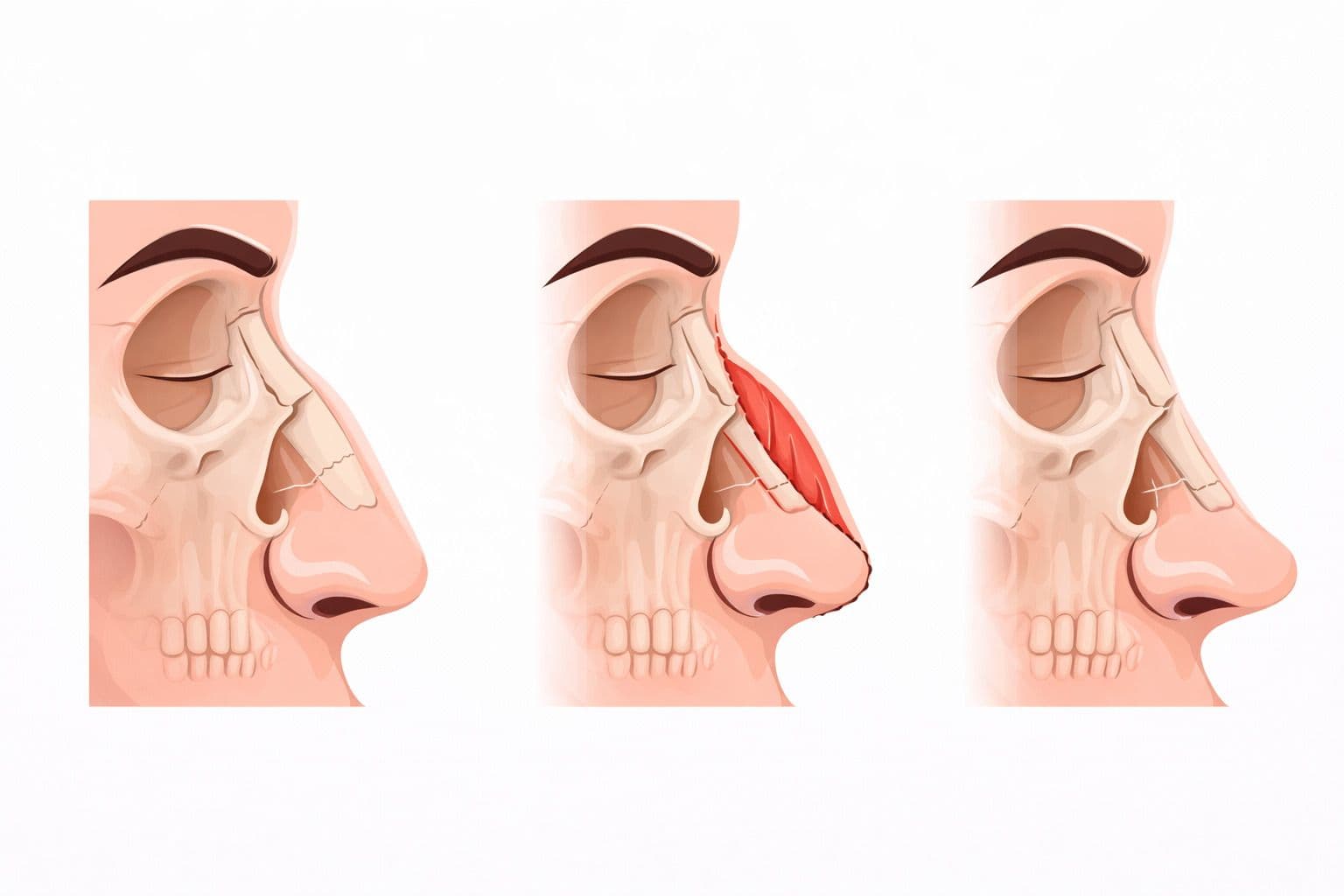
Table of Contents
Quick Menu
- What is Rhinoplasty?
- Rhinoplasty vs Nose Job
- Types of Rhinoplasty
- Open Rhinoplasty
- Closed Rhinoplasty (Endonasal)
- Revision Rhinoplasty
- Septo-Rhinoplasty
- Liquid Rhinoplasty (Non-Surgical)
- Who is a Good Candidate for Rhinoplasty?
- Facial Maturity and Age Considerations
- Good Physical Health
- Realistic Expectations from Rhinoplasty
- Functional Reasons for Rhinoplasty
- Emotional and Psychological Readiness
- How Does Rhinoplasty Work?
- Rhinoplasty Recovery
- What Affects Rhinoplasty Cost?
- Is Rhinoplasty Safe?
- Rhinoplasty in Turkey
- Frequently Asked Question About Rhinoplasty
- Is rhinoplasty painful?
- How long does it take to see the results?
- Will there be visible scarring after a nose job?
- Can rhinoplasty improve my breathing?
- What is the best age for a nose job?
Rhinoplasty remains one of the most popular and transformative cosmetic procedures globally, offering patients the opportunity to enhance both the aesthetic appeal and functional performance of their nose. Whether you are looking to refine the nasal tip, straighten a bridge, or address breathing difficulties, this surgery provides a bespoke solution tailored to individual facial harmony. As a procedure that sits at the intersection of medical science and artistic precision, understanding the nuances of the journey is the first step toward achieving your desired results.
What is Rhinoplasty?
If you are wondering what is rhinoplasty, it is a highly specialised surgical procedure designed to reshape or reconstruct the nose for either aesthetic enhancement or medical necessity. Often referred to as a "nose job," this surgery involves the precise modification of the nasal bone, cartilage, and skin to achieve a more balanced facial appearance. Beyond the visual benefits, rhinoplasty is a vital reconstructive tool used to correct structural issues, such as a deviated septum, which can significantly impair breathing and overall quality of life.
The procedure is generally sought after for several key reasons:
- Aesthetic Refinement: Adjusting the size of the nose, narrowing the nostrils, or smoothing a prominent bridge bump to create better facial symmetry.
- Functional Improvement: Correcting internal blockages or birth defects that restrict airflow, ensuring the respiratory system functions at its best.
- Reconstructive Needs: Restoring the nose's form and function following an injury or trauma.
By harmonising the nose with other facial features, rhinoplasty not only boosts self-confidence but also addresses long-standing health concerns, making it a versatile solution in modern cosmetic and corrective surgery.
Rhinoplasty vs Nose Job
While many people use these terms interchangeably during their initial research, a subtle distinction exists when discussing a nose job in a professional context. Simply put, "nose job" is the common, informal term used in everyday conversation and popular culture to describe rhinoplasty, a type of nasal surgery. On the other hand, rhinoplasty is the formal medical term used by surgeons and healthcare professionals to define the clinical procedure.
In practice, when you search for a nose job, you are likely looking for the overall transformation and aesthetic results. However, the medical community uses the term rhinoplasty to encompass the wide range of techniques used to achieve those results, whether they are for cosmetic enhancement or functional correction.
Whether you refer to it as a nose job or rhinoplasty, the surgical goals remain the same: improving the aesthetic appearance of the nose and addressing structural breathing issues. Understanding this terminology helps patients navigate their research more effectively, though in the consulting room, your surgeon will likely use the clinical term to discuss the specific complexities and medical stages of your operation.
Types of Rhinoplasty
There is no one-size-fits-all approach to nasal surgery. Each rhinoplasty technique is carefully selected based on the patient’s nasal anatomy, skin thickness, functional needs, and aesthetic goals. Understanding the differences between the various types of rhinoplasty helps patients form realistic expectations and make informed decisions about their surgical journey.
Open Rhinoplasty
Open rhinoplasty is widely regarded as the gold standard for complex nasal reshaping. The procedure involves a small, carefully placed incision across the columella—the narrow strip of tissue between the nostrils. This allows the surgeon to gently lift the nasal skin, providing full visual access to the underlying bone and cartilage structures.
This enhanced visibility enables precise reshaping, structural reinforcement, and accurate placement of cartilage grafts when required. Although swelling may last slightly longer than with closed techniques, the level of control achieved often leads to more predictable and refined outcomes.
Best for:
- Significant nasal reshaping
- Severe asymmetry or deformities
- Complex structural reconstruction
- Revision or secondary rhinoplasty cases
Advantage:
- Maximum precision, visibility, and control for intricate surgical work
Closed Rhinoplasty (Endonasal)
Closed rhinoplasty, also known as endonasal rhinoplasty, involves making all incisions inside the nostrils, leaving no visible external scars. Because the nasal skin is not fully lifted from the framework, this technique is generally less invasive and results in reduced swelling during the early recovery phase.
While the surgeon’s visibility is more limited compared to open rhinoplasty, this method is highly effective for patients requiring subtle refinements rather than major structural changes. It is often chosen when the nasal tip does not require extensive reshaping.
Best for:
- Minor to moderate nasal adjustments
- Bridge reduction or smoothing
- Subtle tip refinements
Advantage:
- No external scarring and a slightly faster initial recovery
Revision Rhinoplasty
Revision rhinoplasty is performed to correct functional or aesthetic issues following a previous nose surgery. It is considered one of the most technically demanding forms of rhinoplasty due to altered anatomy, scar tissue, and weakened nasal support from the initial procedure.
In many cases, cartilage grafts—commonly harvested from the ear or rib—are required to rebuild structural support and restore proper nasal function. Revision procedures demand a high level of surgical expertise and careful planning to achieve a natural and stable result.
Best for:
- Unsatisfactory aesthetic outcomes after primary rhinoplasty
- Breathing difficulties caused by structural collapse
- Nasal asymmetry or deformity following prior surgery
Advantage:
- Improves both nasal appearance and breathing function while restoring patient confidence
Septo-Rhinoplasty
Septo-rhinoplasty combines cosmetic nasal reshaping with correction of a deviated septum. While traditional rhinoplasty focuses primarily on external appearance, this procedure addresses internal structural problems that restrict airflow and cause breathing difficulties.
By straightening the septum and improving internal nasal support, septo-rhinoplasty enhances nasal function while also refining the external shape of the nose. It is particularly beneficial for patients who experience chronic nasal obstruction alongside aesthetic concerns.
Best for:
- Persistent nasal congestion or breathing problems
- Deviated septum combined with cosmetic concerns
- Patients seeking both functional and aesthetic improvement
Advantage:
- Simultaneously improves breathing and facial harmony
Liquid Rhinoplasty (Non-Surgical)
Liquid rhinoplasty is a non-surgical alternative that uses injectable dermal fillers to temporarily alter the shape of the nose. Although it cannot reduce the size of the nose or correct structural issues, it is effective for camouflaging minor imperfections such as small humps or asymmetry.
Results are immediate, with little to no downtime, making it an attractive option for patients seeking subtle enhancements without surgery. However, the effects are temporary and typically last between 9 and 18 months, depending on the type of filler used.
Best for:
- Minor aesthetic corrections
- Smoothing small bumps or irregularities
- Patients seeking a temporary, non-surgical solution
Advantage:
- Immediate results with no surgery and minimal recovery time
Who is a Good Candidate for Rhinoplasty?
Determining who is a good candidate for rhinoplasty involves more than just a desire for a different look; it requires a combination of physical health, realistic expectations, and specific anatomical milestones. Generally, if you are looking to improve the proportion of your nose or correct a functional breathing issue, you may be an ideal patient.
Here are the primary factors that surgeons look for when assessing suitability:
Facial Maturity and Age Considerations
One of the primary requirements for rhinoplasty is completed facial growth. The nasal structure continues to develop throughout adolescence, and operating before growth is complete may compromise long-term results. For this reason, surgeons typically recommend rhinoplasty only after facial maturity has been reached, usually in the mid-to-late teenage years.
Good Physical Health
Being in good overall health is essential for safe rhinoplasty surgery and a smooth recovery. Ideal candidates do not have uncontrolled medical conditions that could interfere with healing. Non-smokers, or those willing to stop smoking before and after surgery, are particularly well-suited, as smoking can significantly increase the risk of complications and delay recovery.
Realistic Expectations from Rhinoplasty
A key factor in rhinoplasty success is having realistic expectations. While nose reshaping surgery can dramatically improve facial balance and harmony, it cannot deliver absolute perfection. Good candidates understand that rhinoplasty aims to enhance natural features rather than create an unrealistic or artificial appearance. Clear communication with your surgeon about achievable results is essential.
Functional Reasons for Rhinoplasty
Not all rhinoplasty procedures are cosmetic. Many patients seek treatment for functional issues such as a deviated septum, nasal obstruction, or breathing difficulties. In these cases, functional or reconstructive rhinoplasty can improve nasal airflow while also refining the appearance of the nose. Patients with both aesthetic and breathing concerns are often excellent candidates.
Emotional and Psychological Readiness
Psychological readiness is just as important as physical suitability. The best candidates pursue rhinoplasty for personal reasons, not due to external pressure or comparison with idealised images on social media. Patients who feel confident in their decision and understand the emotional aspects of cosmetic surgery tend to experience higher satisfaction with their results.
Rhinoplasty can be a life-enhancing procedure when performed on the right candidate for the right reasons. By meeting the key criteria—facial maturity, good health, realistic expectations, functional need, and emotional readiness—you can increase the likelihood of a safe procedure and satisfying, natural-looking results.
How Does Rhinoplasty Work?
Understanding how does rhinoplasty work is key to feeling confident and prepared for your surgical journey. While the procedure is highly bespoke to each individual, it generally follows a structured professional process designed to ensure safety and precision.
The surgery is typically performed under general anaesthesia and can take anywhere from one to three hours, depending on the complexity of the case. Here is a simplified overview of the process:
- The Consultation: Your journey begins with a detailed assessment where your surgeon analyses your facial structure and discusses your goals.
- The Incision: Depending on whether you are having an open or closed procedure, the surgeon makes internal or small external incisions to access the underlying framework.
- Reshaping the Structure: The surgeon carefully removes, adds, or rearranges bone and cartilage to achieve the desired shape or to clear obstructed airways.
- Closing the Incisions: Once the structural work is complete, the nasal skin and tissue are redraped, and the incisions are meticulously closed with sutures.
- The Initial Recovery: A splint or cast is usually applied to the outside of the nose to support and protect the new shape during the first week of healing.
This streamlined approach ensures that both the aesthetic and functional goals are met while prioritising the patient's long-term health.
Rhinoplasty Recovery
One of the most common questions patients ask during their consultation is about the expected recovery time. While everyone heals at a different pace, understanding the general milestones of the healing journey can help you plan your post-operative period with confidence.
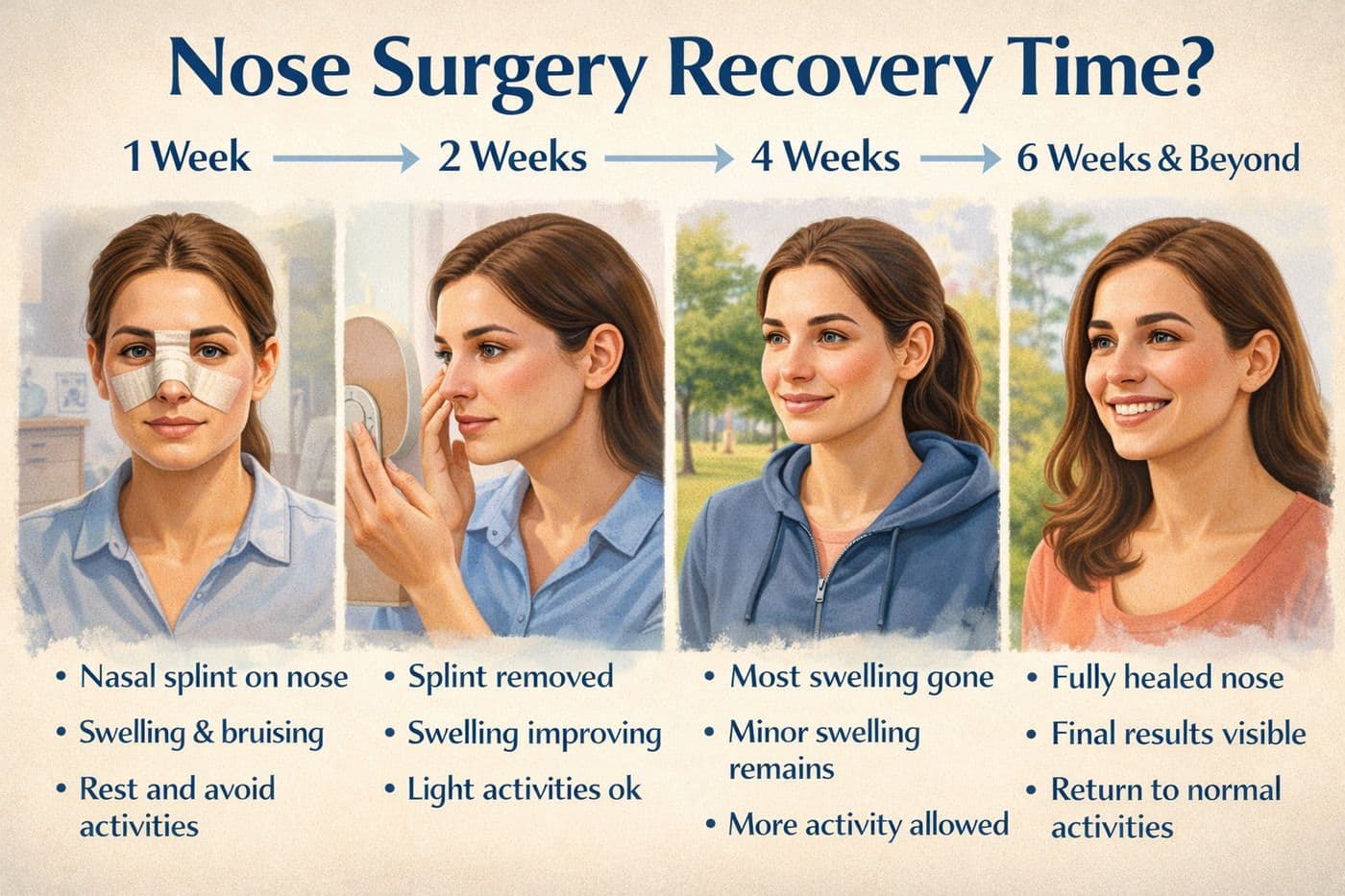
The initial recovery time involves a period of rest, with most patients needing about one to two weeks off work or social commitments. During the first week, you will likely wear a nasal splint to protect the new structure as the tissues begin to settle.
Key milestones in the recovery process include:
- The First 7 Days: The nasal splint is usually removed, and while some bruising and swelling are visible, you will begin to see the preliminary results.
- Weeks 2–4: Most of the noticeable swelling and bruising fade, allowing you to return to light daily activities and work.
- Months 3–6: The majority of the internal swelling subsides, and the refined shape of the nose becomes much clearer.
- One Year: The final results are typically achieved after a full year, as the skin and cartilage fully adapt to their new contours.
It is important to follow your surgeon's aftercare instructions strictly to ensure the best possible outcome. For a more detailed day-by-day breakdown of what to expect, please visit our dedicated [Rhinoplasty Recovery Timeline] guide.
What Affects Rhinoplasty Cost?
The total investment for a surgical procedure is rarely a fixed figure, as it depends on a wide range of variables tailored to each patient's unique needs. When researching the price of a nose surgery, it is essential to understand that the final quote typically reflects the level of expertise, safety standards, and the technical complexity involved in your specific case.
The primary elements that influence the overall cost of the procedure include:
- Surgeon’s Experience and Reputation: Highly skilled, fully accredited surgeons with extensive experience in nasal surgery typically charge higher fees. This premium often reflects their track record of successful outcomes and their ability to handle complex anatomical challenges.
- Complexity of the Procedure: A primary rhinoplasty—the first surgery on a "native" nose—is generally more straightforward than a revision rhinoplasty. Procedures involving significant structural changes, cartilage grafting (from the ear or rib), or the correction of functional issues like a deviated septum require more time and precision, which increases the cost.
- Surgical Technique: The chosen method—such as open versus closed rhinoplasty—can impact the price. Open procedures are often more time-consuming and involved, whereas non-surgical "liquid" rhinoplasties using fillers are significantly less expensive but offer only temporary results.
- Facility and Operating Theatre Fees: The cost varies depending on where the surgery is performed. Accredited hospitals or high-end surgical centres with advanced medical equipment and emergency support may charge more than private office-based surgical suites.
- Anaesthesia and Medical Staff: Professional fees for the anaesthesiologist and the nursing team are critical components. The type of anaesthesia used (general vs. local with sedation) and the duration of the surgery will directly affect these costs.
- Geographical Location: Prices fluctuate globally based on the local cost of living and the concentration of specialised clinics in major metropolitan areas.
- Additional Expenses: Often overlooked "hidden" costs include preoperative medical tests, prescriptions for pain relief or antibiotics, and specialised post-operative garments or recovery aids.
While it is tempting to choose a provider based solely on the lowest price, the priority should always be safety and the surgeon's qualifications. For a comprehensive breakdown of specific price ranges and financing options, please refer to our detailed [How Much Does Rhinoplasty Cost in Turkey?] page.
Is Rhinoplasty Safe?
Safety is a primary concern for anyone considering surgical intervention, and it is natural to ask: Is rhinoplasty safe? When performed by a qualified, fully accredited plastic surgeon in an accredited facility, rhinoplasty is considered a safe and routine procedure with a high success rate. However, like any major surgery, it is important to understand the protocols in place to minimise risks.
Modern surgical practices prioritise patient safety through several layers of care:
- Pre-Operative Screening: A thorough medical evaluation ensures that you are physically fit for anaesthesia and the recovery process.
- Advanced Monitoring: During the procedure, state-of-the-art technology continuously monitors vital signs.
- Rigorous Aftercare: Detailed post-operative instructions and follow-up appointments are designed to prevent complications such as infection or prolonged swelling.
While complications are rare, being aware of potential risks—such as minor bleeding, reaction to anaesthesia, or the need for a secondary revision—is a vital part of being an informed patient. Choosing an experienced surgeon who specialises in nasal anatomy is the most effective way to ensure both a beautiful result and a safe surgical experience.
Rhinoplasty in Turkey
Turkey has established itself as a global hub for medical tourism, particularly for those seeking high-quality aesthetic results. If you are considering rhinoplasty in Turkey, you will find a unique blend of world-class surgical expertise, state-of-the-art medical facilities, and comprehensive patient care packages.
The primary reasons patients choose Turkey for their procedure include:
- Expert Surgeons: Turkish plastic surgeons are renowned for their extensive experience in both cosmetic and functional nasal surgery, often performing a high volume of procedures annually.
- Modern Facilities: Many clinics in Turkey are internationally accredited, featuring the latest surgical technologies and recovery suites designed for international patients.
- Exceptional Value for Money: Despite offering more comprehensive care packages than many European countries—often including premium accommodation and aftercare—the overall cost remains significantly more affordable due to lower operational overheads.
- Comprehensive Care: Most clinics offer "all-inclusive" packages that cover the surgical fees, luxury accommodation, and private transfers, ensuring a stress-free experience from arrival to departure.
- Advanced Techniques: Surgeons in Turkey are often at the forefront of adopting innovative methods, such as ultrasonic (piezo) rhinoplasty, which allows for more precise bone shaping with reduced trauma.
Frequently Asked Question About Rhinoplasty
Is rhinoplasty painful?
Most patients are surprised to find that rhinoplasty is not as painful as they imagined. While you may feel some pressure, congestion, and mild discomfort in the days following the surgery, actual sharp pain is rare. Most discomfort is easily managed with prescribed or over-the-counter pain relief during the initial recovery time.
How long does it take to see the results?
While the initial swelling subsides within a few weeks, the nose continues to refine for several months. It typically takes about a full year for the final shape to settle and for all minor internal swelling to disappear completely.
Will there be visible scarring after a nose job?
This depends on the technique used. In a closed rhinoplasty, all incisions are internal, resulting in no visible scars. In an open rhinoplasty, a tiny incision is made on the columella, which usually heals into a nearly invisible, faint line over time.
Can rhinoplasty improve my breathing?
Yes. Many procedures are performed specifically to correct structural issues, such as a deviated septum or collapsed nasal valves. Improving the internal airway while refining the external shape is a common goal in modern nasal surgery.
What is the best age for a nose job?
The primary requirement is that the patient has reached full facial maturity. This usually occurs around age 15-16 for females and slightly later for males. It is important that the nasal bone structure is fully developed before proceeding with surgery.
Last Articles
 Bookicare | 4/6/2026
For many individuals experiencing thinning hair or a receding hairline, the journey toward restoring confidence often le...
 Bookicare | 4/3/2026
Deciding to undergo a structural or aesthetic change to your nose is a significant step. Whether you are seeking to impr...
 Bookicare | 4/1/2026
When a GP refers you to a hospital for kidney or bladder concerns, the first question many patients ask is, "What is a u...
Frequently Asked Questions
Who are you, Bookicare?
Which hospital do you represent?
Which clinic are you calling me from?
Will you help me obtain a visa?
Do I need to provide my medical records and passport?
What is the cost of Bookicare's services?
What is the cost of treatment?
Why do you recommend these particular clinics?
Does the clinic guarantee that the treatment will be effective?
Where will I stay?