
Orthopaedic Meaning: A Comprehensive Guide to Musculoskeletal Health
 Bookicare | 3/23/2026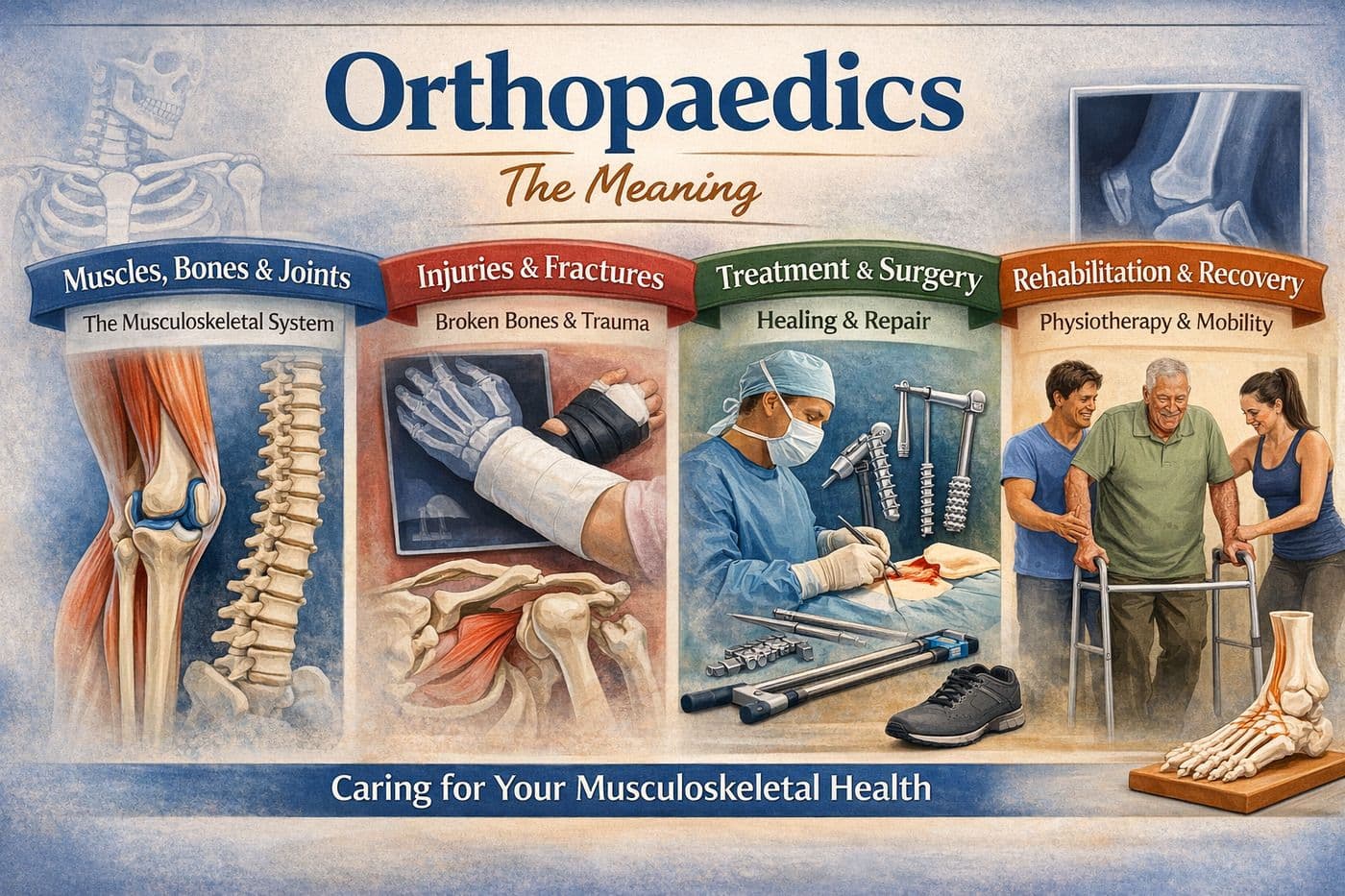
Table of Contents
Quick Menu
- Decoding the Term: What is the Orthopaedic Meaning?
- The Scope of Orthopaedics in Modern Medicine
- Why Understanding the Orthopaedic Meaning is Vital for Patients
- Common Areas of Focus
- The Evolution from Paediatrics to General Care
- Orthopaedist vs. Orthopaedic Surgeon
- When Should You Consult a Specialist?
- Diagnostic Methods in Orthopaedics
- Treatment Options: Beyond the Basics
- Conclusion: Taking the Next Step in Your Health Journey
The orthopaedic meaning refers to the medical speciality focused on the diagnosis, correction, and prevention of disorders involving the skeleton, joints, muscles, ligaments, and tendons. Understanding this field is essential for anyone experiencing physical discomfort or limited mobility, as it covers everything from minor sports injuries to complex degenerative conditions.
Decoding the Term: What is the Orthopaedic Meaning?
To truly grasp the orthopaedic meaning, one must look at the word's origins, derived from the Greek words "orthos" (straight) and "paideion" (child). Historically, the field began with a focus on correcting spinal deformities in children, but it has since evolved into a massive medical discipline that treats patients of all ages. Today, when we discuss the definition of orthopaedic in a clinical sense, we are referring to the comprehensive care of the entire musculoskeletal system.
The Scope of Orthopaedics in Modern Medicine
Modern orthopaedics is not just about broken bones. It involves an intricate understanding of how our bodies move and the mechanical stressors placed on our frames. Whether it is an athlete recovering from an ACL tear or an elderly patient seeking relief from osteoarthritis, the core goal remains the same: restoring function and improving quality of life.
Why Understanding the Orthopaedic Meaning is Vital for Patients
When patients search for the orthopaedic meaning, they are often trying to determine if their specific pain—whether in the back, knee, or shoulder—requires a specialist's intervention. Knowing that this field encompasses both surgical and non-surgical treatments allows patients to make informed decisions about their healthcare journey.
Common Areas of Focus
The musculoskeletal system is vast, and practitioners often sub-specialise to provide the highest level of care:
- Joint Reconstruction: Focusing on hip and knee replacements for those with severe arthritis.
- Spinal Care: Treating herniated discs, scoliosis, and chronic back pain.
- Sports Medicine: Helping athletes return to peak performance after soft tissue injuries.
- Trauma Surgery: Immediate care for fractures and severe physical injuries.
The Evolution from Paediatrics to General Care
As mentioned, the historical orthopaedic meaning was rooted in paediatric care. However, the 21st-century definition has expanded significantly. We now include geriatric care, focusing on bone density and fracture prevention in the elderly, as well as regenerative medicine, such as stem cell therapy, to heal tissues without invasive surgery.
Orthopaedist vs. Orthopaedic Surgeon
It is a common misconception that every specialist in this field performs surgery. While many do, some focus exclusively on non-invasive therapies like physical therapy, injections, and bracing. Understanding this distinction helps in selecting the right orthopaedic doctor for your specific needs.
When Should You Consult a Specialist?
The next step is knowing when to seek professional help. You should consider an evaluation if you experience:
- Persistent joint or muscle pain that does not improve with rest.
- Significant reduction in your range of motion.
- Instability while walking or performing daily tasks.
- Numbness or tingling in the extremities may indicate nerve involvement.
Early diagnosis through methods such as physical examination and imaging can prevent a minor issue from becoming a lifelong disability.
Diagnostic Methods in Orthopaedics
A specialist uses several tools to pinpoint the cause of musculoskeletal distress:
- Physical Examination: Assessing strength, flexibility, and reflexes.
- X-rays: The primary tool for viewing bone structures and detecting fractures.
- MRI and CT Scans: Essential for viewing soft tissues like ligaments, tendons, and cartilage.
- Laboratory Tests: Used to rule out systemic conditions like rheumatoid arthritis or infections.
Treatment Options: Beyond the Basics
While the orthopaedic meaning often brings surgery to mind, the reality is that the majority of cases are managed conservatively. Treatments may include:
- Physiotherapy: Strengthening muscles to support damaged joints.
- Medication: Managing inflammation and pain through prescribed pharmaceuticals.
- Casting and Bracing: Providing external support to allow bones to heal correctly.
- Advanced Surgery: When non-surgical methods fail, procedures like arthroscopy or total joint arthroplasty are employed.
Conclusion: Taking the Next Step in Your Health Journey
Understanding the orthopaedic meaning empowers you to take control of your physical well-being. Whether you are dealing with a sudden injury or a chronic ache, help is available to ensure you stay active and pain-free.
If you are ready to address your symptoms, you can use our Bookicare Home Page to find a world-class clinic. For those requiring specific procedures, we invite you to explore our dedicated orthopaedic surgery section for detailed treatment guides.
Last Articles
 Bookicare | 4/6/2026
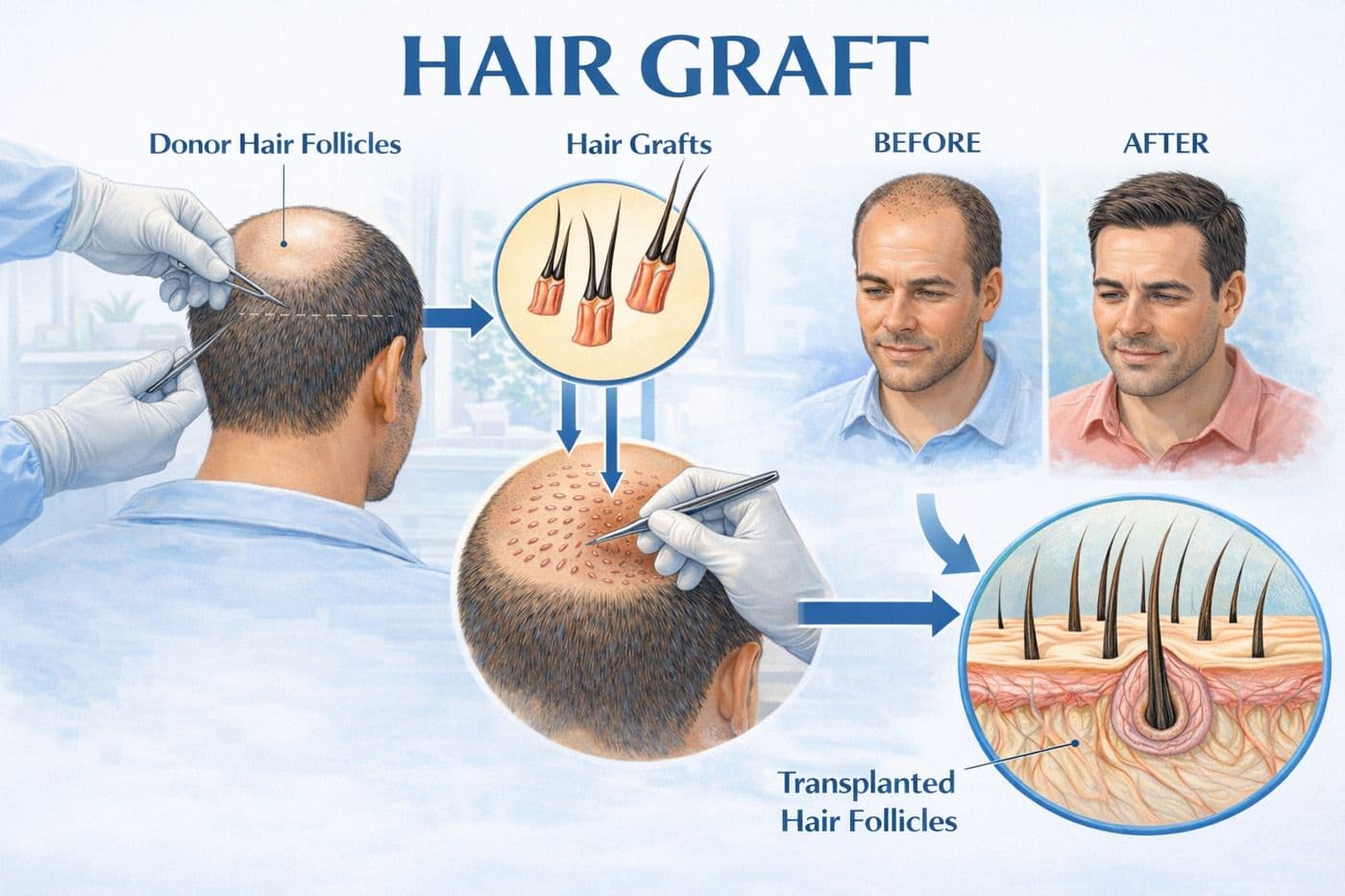
For many individuals experiencing thinning hair or a receding hairline, the journey toward restoring confidence often le...
 Bookicare | 4/3/2026
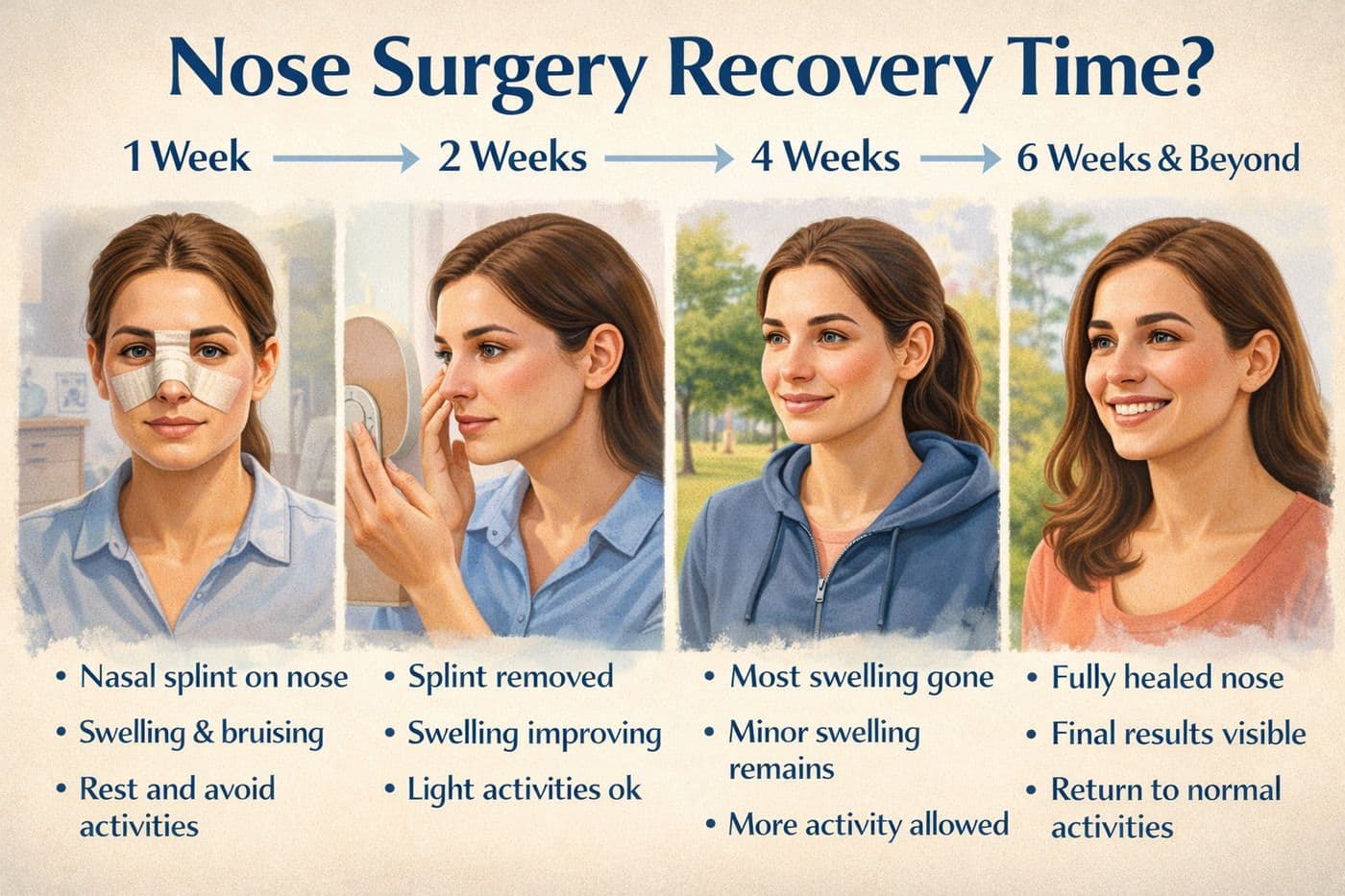
Deciding to undergo a structural or aesthetic change to your nose is a significant step. Whether you are seeking to impr...
 Bookicare | 4/1/2026
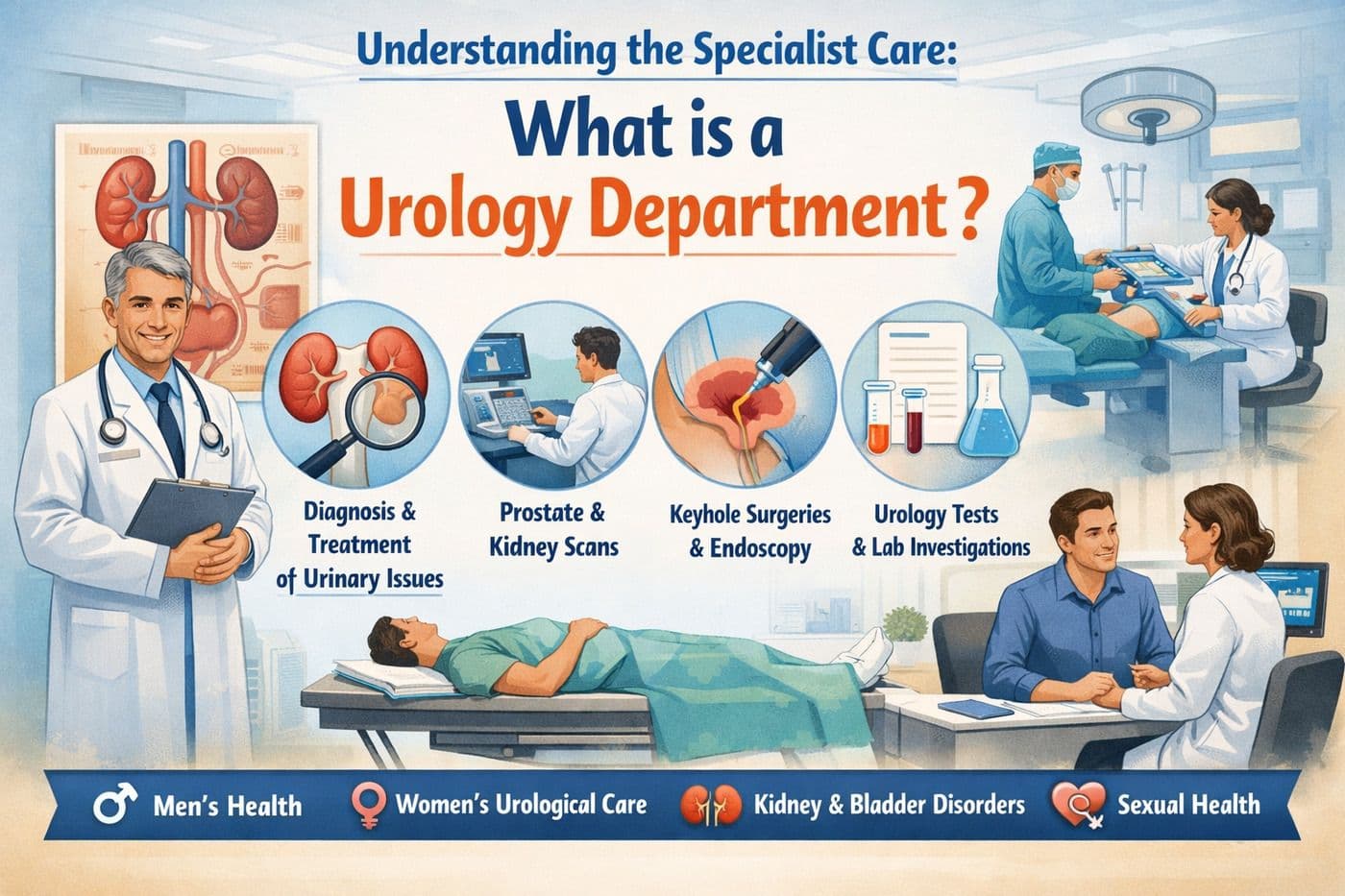
When a GP refers you to a hospital for kidney or bladder concerns, the first question many patients ask is, "What is a u...
Frequently Asked Questions
Who are you, Bookicare?
Which hospital do you represent?
Which clinic are you calling me from?
Will you help me obtain a visa?
Do I need to provide my medical records and passport?
What is the cost of Bookicare's services?
What is the cost of treatment?
Why do you recommend these particular clinics?
Does the clinic guarantee that the treatment will be effective?
Where will I stay?