
Obesity: Causes, Health Risks and Current Statistics
 Bookicare | 3/9/2026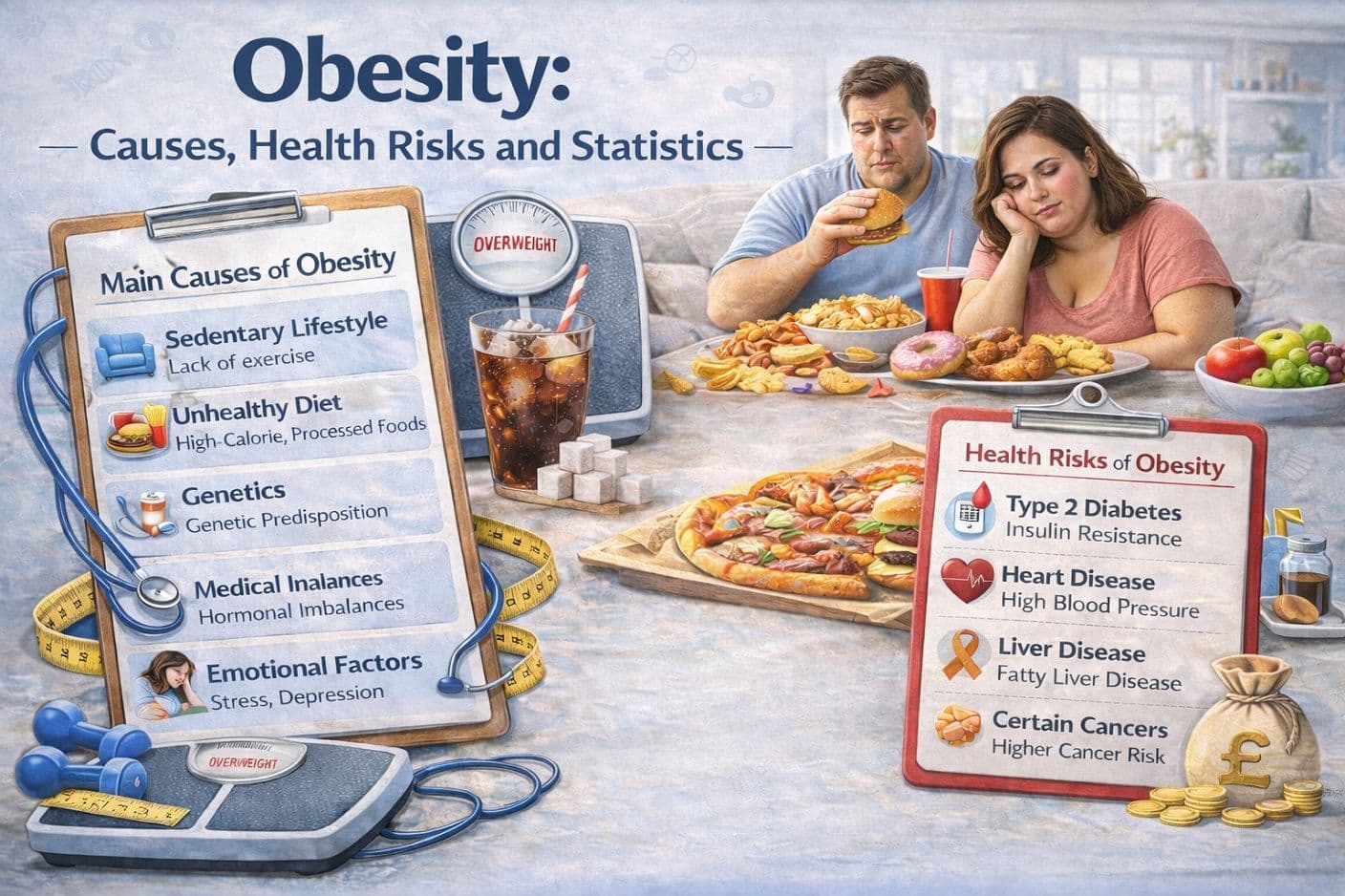
Table of Contents
Quick Menu
- What Is Obesity?
- What Causes Obesity?
- Obesity Health Risks
- What Percent of Americans Are Obese?
- How Obesity Can Be Prevented
- Frequently Asked Questions About Obesity
- What is the difference between overweight and obesity?
- Can obesity be treated?
- How common is obesity in adults?
- Why is obesity considered a global health issue?
- What is the fastest way to reduce obesity?
- At what BMI does obesity start?
- How does obesity affect the body?
Obesity is a complex medical condition characterised by excessive body fat that increases the risk of various health problems. It has become one of the most significant public health challenges worldwide, affecting millions of adults and children across both developed and developing countries.
Although weight gain may appear to be a simple result of consuming more calories than the body burns, obesity is influenced by a combination of factors, including genetics, lifestyle, metabolism, environment, and behavioural patterns.
Understanding obesity, its causes, and its potential health risks is essential for improving long-term health and preventing serious medical complications.
What Is Obesity?
Obesity is typically defined using the Body Mass Index (BMI), a measurement that compares body weight to height. BMI is widely used by healthcare professionals as a screening tool to identify whether a person has a healthy body weight.
BMI categories generally include:
- Healthy weight: BMI between 18.5 and 24.9
- Overweight: BMI between 25 and 29.9
- Obesity: BMI of 30 or higher
While BMI does not directly measure body fat, it provides a useful indication of whether excess body weight may pose health risks.
Obesity can develop gradually when the body consistently stores more energy than it uses. Over time, this surplus energy is stored as fat, which can accumulate in various parts of the body and impact overall health.
What Causes Obesity?
Obesity rarely has a single cause. Instead, it usually results from a combination of lifestyle, biological, and environmental factors.
Common contributing factors include:
- Unhealthy dietary habits, particularly high consumption of processed foods and sugary drinks
- Low levels of physical activity are often associated with sedentary lifestyles
- Genetic predisposition, which may influence how the body stores fat
- Hormonal imbalances that affect metabolism and appetite
- Psychological factors, including stress and emotional eating
- Environmental influences, such as limited access to healthy food options
Because obesity can develop for many different reasons, effective management often requires a comprehensive approach that addresses both lifestyle habits and underlying medical factors.
Obesity Health Risks
One of the most important reasons obesity is considered a serious medical condition is its strong association with numerous long-term health complications. Excess body fat not only affects physical appearance; it can interfere with many essential bodily functions and significantly increase the risk of developing chronic diseases.
When the body stores excessive fat, particularly around the abdomen, it can disrupt hormonal balance, increase inflammation, and affect the way the body processes glucose and lipids. Over time, these metabolic changes place additional stress on vital organs such as the heart, liver, and pancreas. As a result, individuals living with obesity are more likely to experience a wide range of health problems.
Some of the most common obesity health risks include:
- Type 2 diabetes, often caused by insulin resistance and impaired glucose regulation
- Cardiovascular disease, including coronary heart disease, heart attacks, and stroke
- High blood pressure can damage blood vessels and increase the risk of heart disease
- Sleep apnoea, a condition that repeatedly interrupts breathing during sleep and reduces oxygen levels
- Joint and musculoskeletal problems, particularly affecting the knees, hips, and lower back, are due to increased body weight
- Certain types of cancer, including breast, colon, and endometrial cancer
In addition to these conditions, obesity can also contribute to other metabolic disorders such as fatty liver disease, high cholesterol levels, and gallbladder problems. These conditions often develop gradually and may remain unnoticed for years until more serious complications occur.
Beyond physical health, obesity can also affect mental and emotional well-being. Individuals living with obesity may experience reduced quality of life, social stigma, lower self-esteem, and an increased risk of anxiety or depression. These psychological factors can sometimes make it more difficult for individuals to adopt lifestyle changes or seek medical support.
The good news is that many obesity-related health risks can be reduced through early intervention and appropriate lifestyle changes. Adopting healthier dietary habits, increasing physical activity, and receiving medical guidance when necessary can significantly improve long-term health outcomes and help lower the risk of obesity-related complications.
What Percent of Americans Are Obese?
Obesity has become increasingly common in the United States over the past several decades. According to recent public health data, a significant proportion of American adults are currently classified as obese.
Current estimates suggest that more than 40 percent of adults in the United States meet the clinical definition of obesity. This figure highlights the growing scale of the problem and reflects long-term changes in dietary habits, physical activity levels, and lifestyle patterns across the population.
The percentage of obese Americans has steadily increased since the late twentieth century. Public health researchers have observed a consistent upward trend in obesity prevalence, particularly among middle-aged adults. This rise is often linked to factors such as increased consumption of high-calorie processed foods, sedentary lifestyles, and reduced levels of daily physical activity.
The rate of obesity in the USA also varies significantly between different demographic groups and regions. Age, income levels, access to healthcare, and local environmental factors can all influence obesity rates. In some communities, limited access to healthy food options and safe spaces for physical activity may contribute to higher obesity prevalence.
Obesity rates can also differ by gender, ethnicity, and geographic location. Certain states and regions in the United States report higher obesity prevalence than others, reflecting differences in lifestyle, economic conditions, and public health infrastructure.
Public health organisations continue to monitor the rate of obesity in the USA in order to better understand these patterns and develop effective prevention strategies. By tracking changes in the percentage of obese Americans, researchers can identify emerging trends and design interventions aimed at improving long-term population health.
Understanding how widespread obesity has become provides valuable insight into the scale of the public health challenge and highlights the importance of promoting healthier lifestyles and preventive healthcare strategies.
How Obesity Can Be Prevented
Preventing obesity often involves adopting long-term lifestyle habits that support a healthy balance between calorie intake and physical activity.
Key strategies for maintaining a healthy weight include:
- following a balanced diet rich in fruits, vegetables, and whole foods
- reducing the intake of highly processed foods and sugary beverages
- engaging in regular physical activity
- maintaining consistent sleep patterns
- managing stress and emotional well-being
While lifestyle changes can significantly reduce the risk of obesity, medical support or weight loss surgery may sometimes be necessary for individuals with severe or persistent weight-related health problems.
Explore our wide range of medical services on our Homepage to find the right treatment for you."
Frequently Asked Questions About Obesity
What is the difference between overweight and obesity?
Both terms refer to excess body weight, but obesity represents a higher level of body fat. Overweight is defined as a BMI between 25 and 29.9, while obesity is classified as a BMI of 30 or higher.
Can obesity be treated?
Yes. Treatment options may include lifestyle changes such as improved diet and exercise, behavioural therapy, medication prescribed by healthcare professionals, and in some cases bariatric surgery.
How common is obesity in adults?
Obesity has become increasingly common worldwide. In many countries, including the UK, a significant proportion of adults are classified as overweight or obese.
Why is obesity considered a global health issue?
Obesity is considered a major public health concern because it significantly increases the risk of chronic diseases and places substantial pressure on healthcare systems around the world.
What is the fastest way to reduce obesity?
The most effective way to reduce obesity is through a combination of a balanced, calorie-controlled diet and regular physical activity. Sustainable weight loss typically occurs gradually by creating a consistent calorie deficit while maintaining healthy nutrition, sleep, and lifestyle habits.
At what BMI does obesity start?
Obesity is generally defined as having a Body Mass Index (BMI) of 30 or higher. BMI categories typically include healthy weight (18.5–24.9), overweight (25–29.9), and obesity (30+). Healthcare professionals use BMI as a screening tool to assess potential health risks related to body weight.
How does obesity affect the body?
Obesity can affect many systems in the body by increasing the risk of conditions such as heart disease, type 2 diabetes, high blood pressure, joint problems, and sleep apnoea. Excess body fat can also place additional strain on organs and reduce overall physical wellbeing.
Last Articles
 Bookicare | 4/6/2026
For many individuals experiencing thinning hair or a receding hairline, the journey toward restoring confidence often le...
 Bookicare | 4/3/2026
Deciding to undergo a structural or aesthetic change to your nose is a significant step. Whether you are seeking to impr...
 Bookicare | 4/1/2026
When a GP refers you to a hospital for kidney or bladder concerns, the first question many patients ask is, "What is a u...
Frequently Asked Questions
Who are you, Bookicare?
Which hospital do you represent?
Which clinic are you calling me from?
Will you help me obtain a visa?
Do I need to provide my medical records and passport?
What is the cost of Bookicare's services?
What is the cost of treatment?
Why do you recommend these particular clinics?
Does the clinic guarantee that the treatment will be effective?
Where will I stay?