
What is a Gynaecologist and When Should You Visit One?
 Bookicare | 3/18/2026
If you are wondering ‘what is a gynaecologist’, they are highly trained medical doctors specialising in the female reproductive system, including the uterus, ovaries, and breasts. Understanding their role is the first step toward maintaining long-term health and ensuring you receive specialised medical care through a trusted healthcare platform.
The Medical Role: What Is a Gynaecologist?
A gynaecologist focuses specifically on women’s reproductive health, offering both preventive care and treatment. When exploring ‘what is a gynaecologist’, it is important to know that these specialists handle everything from routine examinations to more complex medical conditions. Obstetrics and Gynaecology services cover a broad spectrum of care tailored to every stage of life.
Unlike general practitioners, gynaecologists have in-depth expertise in areas such as hormonal health, menstrual disorders, fertility, and menopause. Their role is essential in supporting women’s health throughout different life stages.
What Does a Gynaecologist Do?
A key part of understanding their role is knowing the range of services they provide. Their responsibilities typically include:
- Performing pelvic exams and cervical screening (Pap smears)
- Diagnosing and treating menstrual irregularities
- Managing conditions such as PCOS and endometriosis
- Providing contraception advice and family planning support
- Treating infections and hormonal imbalances
- Monitoring reproductive health over time
These specialists aim not only to treat conditions but also to prevent potential health issues through regular check-ups.
Common Conditions a Gynaecologist Treats
Gynaecologists diagnose and manage a wide variety of conditions affecting the female reproductive system. These include:
- Irregular or painful menstrual cycles
- Polycystic Ovary Syndrome (PCOS)
- Endometriosis
- Uterine fibroids
- Vaginal infections
- Menopause-related symptoms
- Pelvic pain and fertility concerns
Early diagnosis and treatment can significantly improve long-term health outcomes.
When Should You Seek Professional Help?
Knowing when to book an appointment is a vital part of understanding what is a gynaecologist and their proactive role in preventive healthcare. You should visit a specialist if you:
- Experience unusual pelvic discomfort or abnormal discharge.
- Notice significant changes in your menstrual cycle or plan a pregnancy.
- Require routine health screenings even if you are not currently experiencing symptoms.
Gynaecologist vs OB-GYN: What Is the Difference?
Many people are unsure about the difference between a gynaecologist and an OB-GYN.
- Gynaecologist → focuses on reproductive health and non-pregnancy-related conditions.
- OB-GYN → specialises in both gynaecology and obstetrics (pregnancy and childbirth).
If you require care related to pregnancy, an OB-GYN may be the most suitable option, as they provide comprehensive support before, during, and after childbirth.
Last Articles
 Bookicare | 4/6/2026
For many individuals experiencing thinning hair or a receding hairline, the journey toward restoring confidence often le...
 Bookicare | 4/3/2026
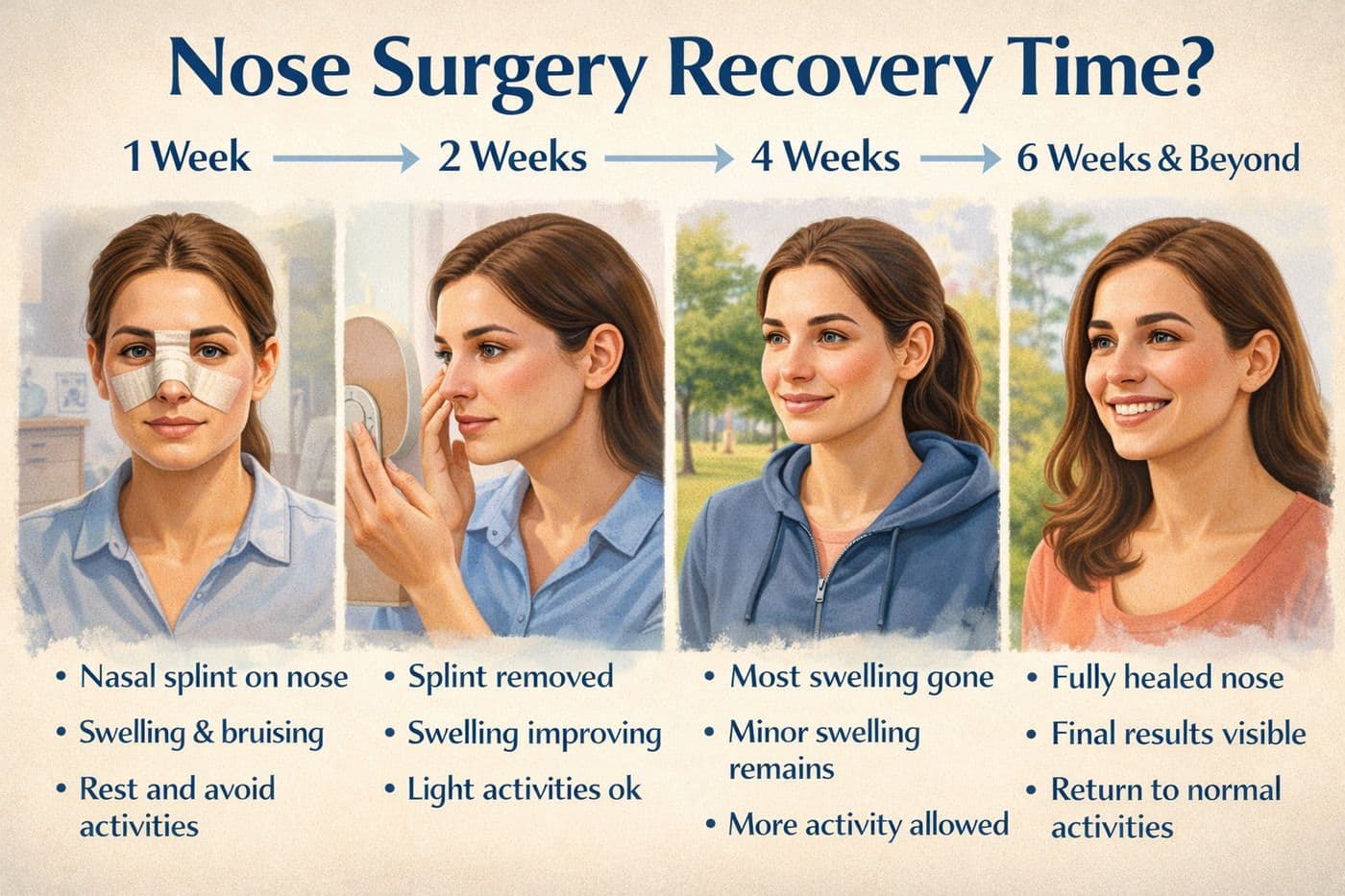
Deciding to undergo a structural or aesthetic change to your nose is a significant step. Whether you are seeking to impr...
 Bookicare | 4/1/2026
When a GP refers you to a hospital for kidney or bladder concerns, the first question many patients ask is, "What is a u...
Frequently Asked Questions
Who are you, Bookicare?
Which hospital do you represent?
Which clinic are you calling me from?
Will you help me obtain a visa?
Do I need to provide my medical records and passport?
What is the cost of Bookicare's services?
What is the cost of treatment?
Why do you recommend these particular clinics?
Does the clinic guarantee that the treatment will be effective?
Where will I stay?