
The Ultimate Guide to Gastric Sleeve Surgery: Transforming Health and Restoring Vitality
 Bookicare | 3/27/2026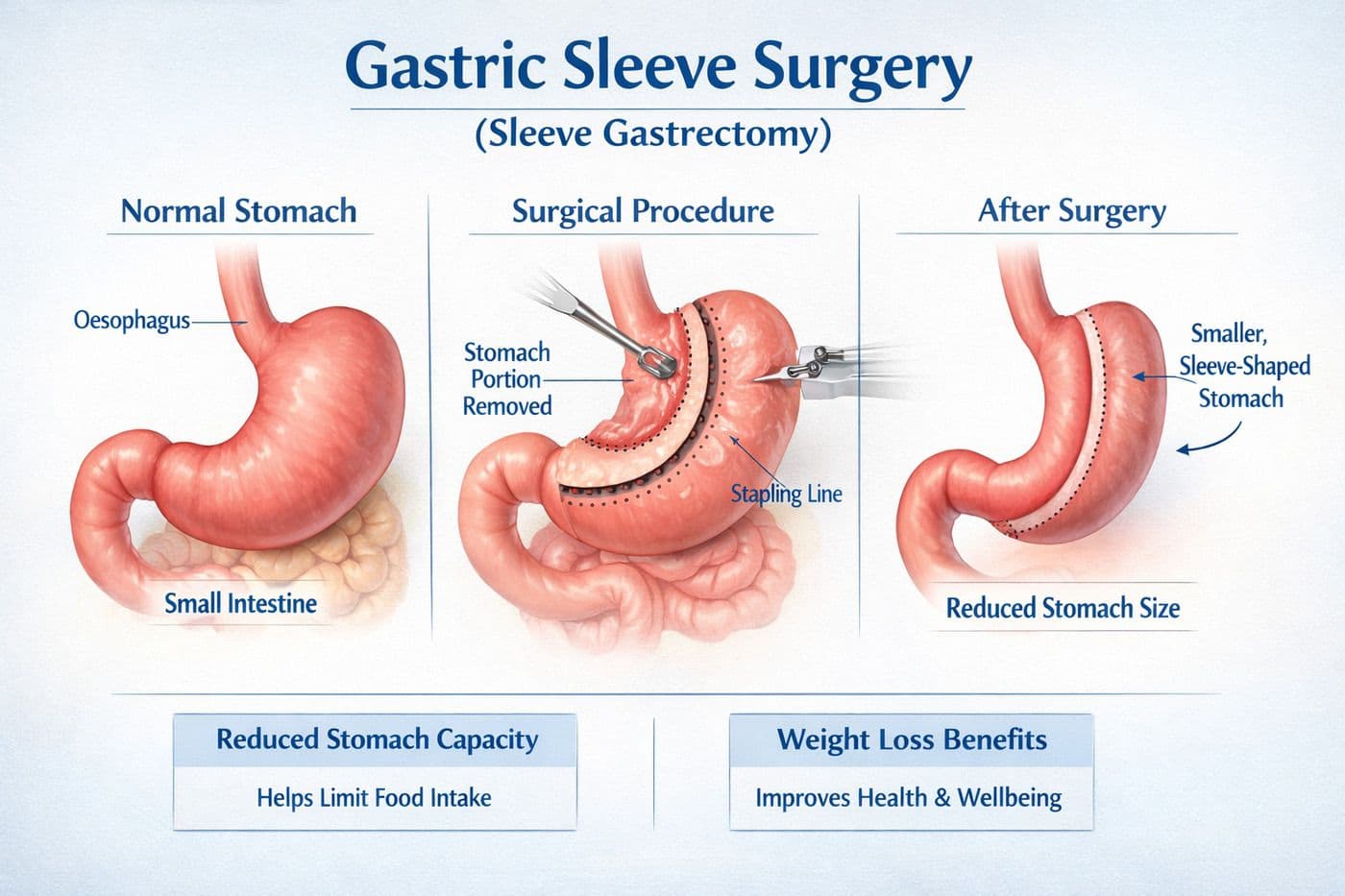
Table of Contents
Quick Menu
- What Exactly is a Sleeve Gastrectomy?
- Why Choose Surgery for Obesity Treatment?
- Are You an Ideal Candidate?
- The Procedure: What to Expect
- The Surgical Process
- The Recovery Journey: Phase by Phase
- Week 1-2: The Liquid Phase
- Week 3-4: The Pureed Phase
- Week 5-6: The Soft Food Phase
- Month 2 and Beyond: "The New Normal"
- Clinical Benefits Beyond Weight Loss
- Potential Risks and Considerations
- Cost and Financial Planning
- Conclusion: A Tool for a New Beginning
For many individuals navigating the complexities of chronic obesity, the journey often feels like an uphill struggle against biology. When traditional dieting, rigorous exercise regimes, and lifestyle modifications fail to produce sustainable results, medical intervention becomes a necessary conversation. Among the most effective and widely performed metabolic procedures globally is the gastric sleeve, a surgical solution designed to provide a permanent reset for the body’s weight regulation system.
In this comprehensive guide, we will explore everything you need to know about this life-changing procedure—from the science behind the surgery to the long-term nutritional commitments required for success.
What Exactly is a Sleeve Gastrectomy?
Commonly referred to as the gastric sleeve, this procedure involves the surgical removal of a large portion of the stomach—approximately 75% to 80%. What remains is a narrow, banana-shaped "sleeve" or tube that connects the oesophagus to the small intestine. ommonly referred to as the gastric sleeve, this procedure involves the surgical removal of a large portion of the stomach—approximately 75% to 80%. What remains is a narrow, banana-shaped "sleeve" or tube that connects the oesophagus to the small intestine. This procedure sits at the intersection of advanced bariatric surgery and gastroenterology, focusing on the complex functions of the digestive tract.
Unlike more complex procedures such as the Gastric Bypass, this operation does not involve rerouting the intestines. Instead, it focuses on two primary mechanisms:
- Restriction: By significantly reducing the stomach's capacity, you naturally feel full after consuming much smaller portions of food.
- Hormonal Reset: Perhaps more importantly, the portion of the stomach removed is responsible for producing Ghrelin, often called the "hunger hormone." Reducing the production of this hormone lowers your appetite and diminishes the constant "food noise" that many patients struggle with daily.
Why Choose Surgery for Obesity Treatment?
Obesity is increasingly recognised by medical professionals as a complex, multi-factorial disease rather than a lack of willpower. Once an individual reaches a certain Body Mass Index (BMI), the body’s metabolic "set point" becomes defended by hormonal signals, making significant, permanent weight loss nearly impossible through calorie counting alone.
Choosing a surgical path is a decision to treat the underlying biological drivers of weight gain. It is a tool that allows the patient to adhere to a healthy lifestyle without the constant, overwhelming physical sensation of hunger.
Are You an Ideal Candidate?
Clinical guidelines for the gastric sleeve are stringent to ensure patient safety and long-term efficacy. Generally, you may be considered a candidate if:
- BMI Criteria: You have a BMI of 40 or higher, or a BMI of 35+ with associated "co-morbidities" such as Type 2 Diabetes, sleep apnoea, or hypertension.
- Health History: You have attempted supervised weight loss programmes without lasting success.
- Mental Readiness: You are prepared to commit to lifelong changes in eating habits and regular medical follow-ups.
- Age: Usually, candidates are between 18 and 65 years old, though exceptions are made based on individual health profiles.
The Procedure: What to Expect
Modern bariatric operations are typically performed using laparoscopic (keyhole) surgery. This minimally invasive approach involves small incisions in the abdomen, through which the surgeon inserts a camera and specialised instruments.
The Surgical Process
- Anaesthesia: The procedure is performed under general anaesthetic and usually takes between 60 to 90 minutes.
- Resection: The surgeon staples the stomach vertically and removes the excess portion.
- Testing: The new "sleeve" is tested for leaks before the incisions are closed with dissolvable stitches.
Because the surgery is minimally invasive, many patients find that they are back on their feet within hours of waking up, and hospital stays are typically limited to one or two nights.
The Recovery Journey: Phase by Phase
Recovery is not just about healing incisions; it is about retraining your digestive system. The post-operative dietary progression is critical for ensuring the staple line heals correctly.
Week 1-2: The Liquid Phase
Initially, your new stomach can only handle liquids. This includes water, thin broths, and specialised protein shakes to ensure you maintain muscle mass while losing fat.
Week 3-4: The Pureed Phase
Once your surgeon gives the go-ahead, you transition to foods with the consistency of yoghurt or smooth mash. High-protein choices like blended lentils, soft fish, or eggs are essential here.
Week 5-6: The Soft Food Phase
You begin to introduce textures that can be easily mashed with a fork. This is the stage where you learn the importance of "chewing thoroughly"—a habit that will be vital for the rest of your life.
Month 2 and Beyond: "The New Normal"
By this stage, most patients return to solid foods. However, the volume is vastly different. A typical meal might consist of a small piece of chicken and a few spoonfuls of vegetables. The focus shifts to Protein First, followed by vegetables, and finally small amounts of complex carbohydrates.
Clinical Benefits Beyond Weight Loss
While the "before and after" photos are often the most talked-about aspect of the gastric sleeve, the internal health markers are far more significant.
- Type 2 Diabetes: Many patients experience a total "remission" of diabetes, often within days of the surgery, as insulin sensitivity improves.
- Heart Health: A reduction in weight leads to lower blood pressure and improved cholesterol levels, significantly decreasing the risk of cardiovascular disease.
- Joint Pain: Removing the literal weight of obesity often resolves chronic back, knee, and hip pain, allowing for a much more active lifestyle.
- Sleep Apnoea: Most patients find they no longer require CPAP machines as the fatty tissue around the airway diminishes.
Potential Risks and Considerations
No surgery is without risk, and it is vital to have a candid discussion with your surgical team. Complications can include:
- Gastroesophageal Reflux (GERD): Some patients may experience increased heartburn after the procedure.
- Nutritional Deficiencies: Because you are eating less, you must take daily vitamins (multivitamins, B12, Calcium, and Iron) for the rest of your life.
- Surgical Risks: As with any major operation, there are risks of infection, blood clots, or leaks at the staple line, though these are statistically rare in high-volume clinics.
Cost and Financial Planning
In the UK, accessing bariatric surgery via the NHS can involve waiting lists of several years. Consequently, many choose the private route. While the upfront cost of a gastric sleeve can seem high, it is often weighed against the long-term costs of treating obesity-related illnesses, medications, and decreased quality of life. Many clinics now offer flexible financing plans to make the procedure more accessible.
Conclusion: A Tool for a New Beginning
The gastric sleeve is not a "magic wand," but it is arguably the most powerful tool available in modern medicine for reclaiming your health. It provides the biological boundary necessary to make healthy choices sustainable, allowing you to focus on living your life rather than fighting your hunger.
If you are ready to take control of your future and step into a healthier, more active version of yourself, the first step is a professional consultation. For more detailed information about our treatment options and clinical standards, you can visit our homepage .
Last Articles
 Bookicare | 4/6/2026
For many individuals experiencing thinning hair or a receding hairline, the journey toward restoring confidence often le...
 Bookicare | 4/3/2026
Deciding to undergo a structural or aesthetic change to your nose is a significant step. Whether you are seeking to impr...
 Bookicare | 4/1/2026
When a GP refers you to a hospital for kidney or bladder concerns, the first question many patients ask is, "What is a u...
Frequently Asked Questions
Who are you, Bookicare?
Which hospital do you represent?
Which clinic are you calling me from?
Will you help me obtain a visa?
Do I need to provide my medical records and passport?
What is the cost of Bookicare's services?
What is the cost of treatment?
Why do you recommend these particular clinics?
Does the clinic guarantee that the treatment will be effective?
Where will I stay?