Rehabilitation in Turkey - Best Clinics & Prices

Rehabilitation is a structured healthcare process designed to help individuals recover, restore function, and improve their quality of life following illness, injury, surgery, or the effects of long-term medical conditions. By combining medical expertise, therapeutic interventions, and personalised care plans,
From the most trusted and high-quality clinics
The best treatment offers in Turkey
International-standard healthcare services
Experienced and highly specialized doctors
Free pre-consultation
24/7 patient support team

Add Filter

Search by Doctor Name
Cities
Hospital Name
Review Score

Discover the Best Rehabilitation In Turkey

What Is Rehabilitation?

The rehabilitation meaning in healthcare refers to the process of restoring physical, neurological, or functional abilities that may have been lost or reduced due to injury, disease, or medical treatment. Rather than focusing only on symptoms, rehabilitation addresses the root causes of functional limitation and supports long-term recovery.

A clear definition for rehabilitation is the use of targeted therapies to help individuals achieve the highest possible level of physical, mental, and social functioning.

Types of Rehabilitation

Rehabilitation programmes are tailored according to a patient’s condition, goals, and overall health status. The most common types include:

  • Physical Rehabilitation: Focuses on improving mobility, strength, balance, and flexibility following injury, surgery, or prolonged inactivity.
  • Neurological Rehabilitation:Supports recovery from conditions such as stroke, spinal cord injury, multiple sclerosis, or brain injury by retraining movement and coordination.
  • Orthopaedic Rehabilitation: Designed for musculoskeletal conditions, including fractures, joint replacements, sports injuries, and chronic pain.
  • Cardiac Rehabilitation: Helps patients recover safely after heart surgery, heart attack, or cardiovascular disease through monitored exercise and lifestyle guidance.

Role of Physiotherapy in Rehabilitation

Physiotherapy rehabilitation plays a central role in most rehabilitation programmes. Physiotherapists assess movement limitations, design personalised exercise plans, and use evidence-based techniques to restore function and reduce pain.

Physiotherapy not only accelerates recovery but also helps prevent re-injury by improving posture, strength, and movement patterns. You can explore treatment options on our Physiotherapy Rehabilitation page.

What Is Rehabilitation?

Rehabilitation Process: What to Expect

The rehabilitation process typically includes:

  • Comprehensive assessment
  • Individualised treatment planning
  • Supervised therapy sessions
  • Progress monitoring and adjustment
  • Functional recovery and long-term maintenance

Each stage is designed to ensure safe, measurable, and sustainable improvement.

Who Needs Rehabilitation?

Rehabilitation is recommended for individuals who experience:

  • Reduced mobility or strength
  • Neurological impairment
  • Post-surgical recovery needs
  • Chronic pain or functional limitations
  • Balance or coordination issues

If daily activities are affected, rehabilitation can provide structured support to restore independence.

Therapy vs Rehabilitation: What’s the Difference?

Therapy usually refers to a single treatment method, while rehabilitation is a comprehensive process that combines multiple therapies with clinical oversight to achieve broader recovery goals.

Take the Next Step

Recovery is a journey that requires the right professional support.

  • Book a Rehabilitation Session – Start your personalised recovery plan today.
  • Consult a Physiotherapist – Discuss your mobility goals with a specialist.
  • View Rehabilitation Programs – Explore our full range of neurological, orthopedic, and cardiac care.
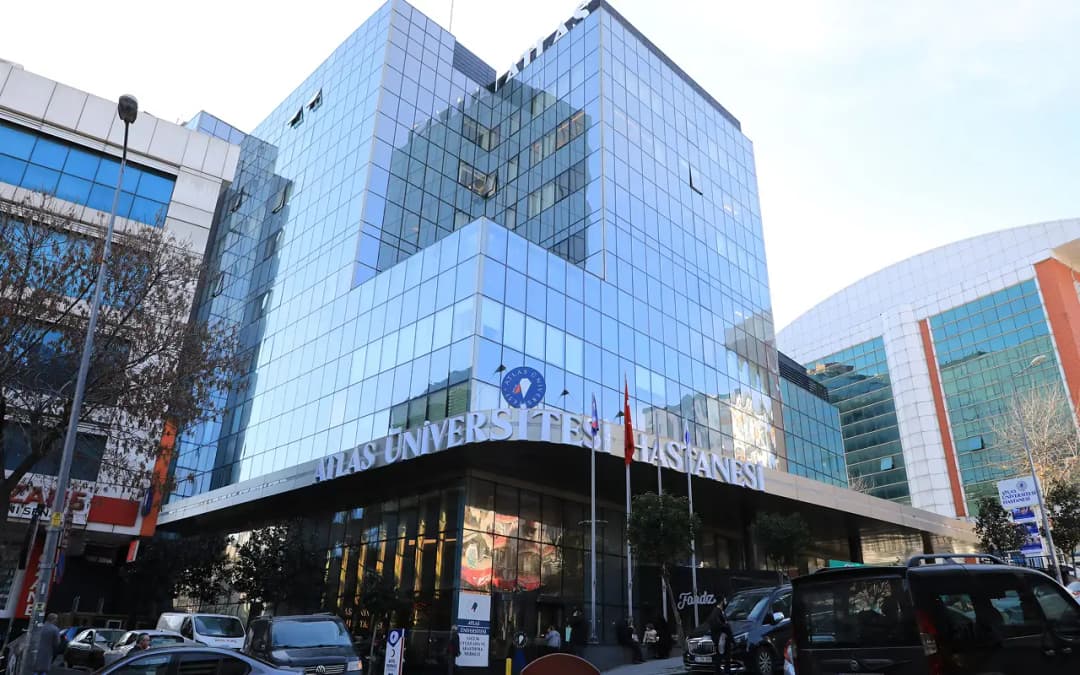
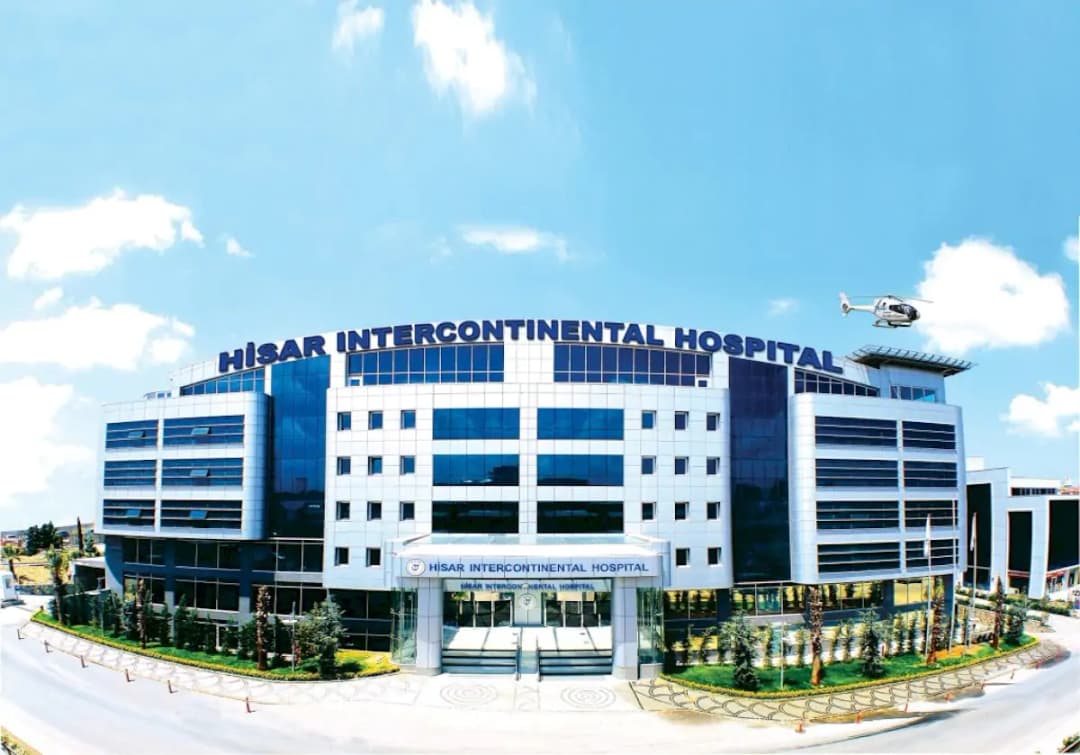
Clinic Facility Highlight

Physiotherapy Rehabilitation

Physiotherapy rehabilitation is a specialised treatment approach designed to restore movement, reduce pain, and improve physical function following injury, surgery, or medical conditions that affect mobility. Through personalised exercise programmes and hands-on therapy, physiotherapy plays a central role in successful rehabilitation outcomes.

This page explains what physiotherapy rehabilitation involves, who it is for, how the treatment process works, and when professional physiotherapy support is recommended — all in one clear and practical guide.

What Is Physiotherapy Rehabilitation?

Physiotherapy rehabilitation focuses on helping patients regain strength, flexibility, balance, and coordination through evidence-based physical therapy techniques. Unlike general exercise, physiotherapy programmes are clinically guided and tailored to each individual’s condition, recovery goals, and physical limitations.

It is commonly used as part of a wider rehabilitation programme, supporting both short-term recovery and long-term functional improvement.

Conditions Treated with Physiotherapy Rehabilitation

Physiotherapy rehabilitation is commonly recommended for:

  • Post-surgical recovery (orthopaedic or spinal surgery)
  • Sports injuries and soft tissue damage
  • Chronic back, neck, or joint pain
  • Neurological conditions (such as stroke or nerve injury)
  • Reduced mobility due to ageing or prolonged inactivity

Early physiotherapy intervention often leads to faster recovery and reduced risk of long-term complications.

How the Physiotherapy Rehabilitation Process Works

A typical physiotherapy rehabilitation programme includes:

  • Initial Assessment: A detailed evaluation of movement, strength, posture, pain levels, and functional limitations.
  • Personalised Treatment Plan: Based on assessment findings, a tailored rehabilitation plan is created to address specific recovery goals.
  • Supervised Therapy Sessions: Treatment may include guided exercises, manual therapy, stretching, posture correction, and movement retraining.
  • Progress Monitoring: Your physiotherapist tracks improvements and adjusts the programme as recovery progresses.

This structured approach ensures safe, measurable, and sustainable results.

Clinic Facility Highlight

Benefits of Physiotherapy Rehabilitation

Physiotherapy rehabilitation offers multiple benefits, including:

  • Reduced pain and stiffness
  • Improved mobility and flexibility
  • Faster recovery after injury or surgery
  • Better balance and coordination
  • Reduced risk of re-injury

By addressing the root causes of movement limitations, physiotherapy supports long-term physical wellbeing.

When Should You See a Physiotherapist?

You should consider physiotherapy rehabilitation if:

  • Pain or stiffness limits daily activities.
  • Movement feels restricted or unstable.
  • Recovery after surgery is slower than expected.
  • Physical function has declined over time.

Professional assessment ensures the most effective and safe rehabilitation pathway.

Physiotherapy vs General Exercise

While general exercise improves overall fitness, physiotherapy rehabilitation is clinically guided and condition-specific. It focuses on correcting movement patterns, preventing further injury, and restoring function under professional supervision.

Take the Next Step

If you are experiencing pain, mobility issues, or recovery challenges, physiotherapy rehabilitation can help you regain confidence and physical independence.

  • Book a Rehabilitation Session – Start your personalised recovery plan today.
  • Consult a Physiotherapist – Discuss your mobility goals with a specialist.
  • View Rehabilitation Programs – Explore our full range of neurological, orthopedic, and cardiac care.

Frequently Asked Questions (FAQ)

What does rehabilitate meaning involve?

To rehabilitate means to restore function, ability, or health through structured treatment.

How long does rehabilitation take?

Duration depends on the condition, severity, and individual response to treatment.

Is rehabilitation only for injuries?

No. Rehabilitation also supports recovery from illness, surgery, and chronic conditions.

Is rehabilitation only for people with serious injuries?

No. Rehabilitation is used not only for serious injuries but also for mild movement limitations, post-surgical recovery, chronic pain, and neurological conditions that affect daily activities.

How long does rehabilitation usually take?

The duration of rehabilitation varies depending on the condition, severity, and individual response to treatment. Some programmes last a few weeks, while others may continue for several months.

Do I need a doctor’s referral for rehabilitation?

In many cases, you can start rehabilitation without a referral. However, professional assessment helps ensure the most effective and safe rehabilitation plan.

How is physiotherapy rehabilitation different from regular physiotherapy?

Physiotherapy rehabilitation focuses on long-term functional recovery through a planned programme, rather than isolated treatment sessions. It includes assessment, goal setting, progress tracking, and ongoing adjustment of therapy.

How many physiotherapy sessions are usually needed?

The number of sessions varies depending on the condition, severity, and individual response to treatment. Some patients require only a few sessions, while others benefit from longer rehabilitation programmes.

Is physiotherapy rehabilitation painful?

Physiotherapy rehabilitation should not be painful, although some discomfort may occur during movement retraining. Therapists work within safe limits to ensure comfort while supporting recovery.