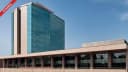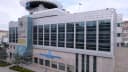
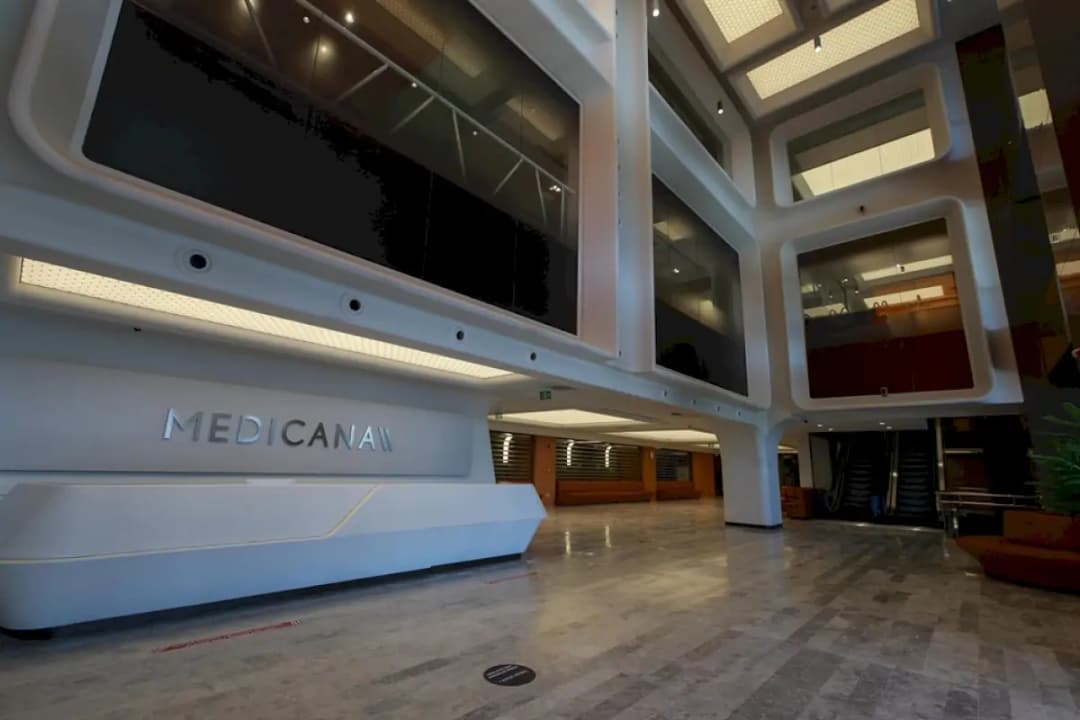
Medicana International Izmir Hospital
5.01 Reviews

An orthopaedic doctor manages a wide range of conditions affecting the body's framework. Their role involves more than just performing operations; they are experts in non-surgical rehabilitation, pain management, and long-term musculoskeletal health.
While the terms are often used interchangeably, there is a subtle distinction
The musculoskeletal system is prone to various issues due to ageing, trauma, or repetitive strain.
Common conditions treated include:
To provide an accurate treatment plan, an orthopaedic doctor utilises several diagnostic tools:
You should seek a professional consultation if you experience:
When conservative treatments like physiotherapy or injections are insufficient, orthopaedic surgery may be the most effective route to recovery. Modern techniques, including minimally invasive arthroscopy, allow for faster recovery times and less post-operative discomfort.

The cost of orthopaedic surgery & treatments varies significantly depending on the type of procedure, country, clinic standards, and materials used. Advanced dental technology, specialist expertise, and whether treatment is cosmetic, or restorative all influence overall pricing.
| Treatment Type | Turkey (TR) | United Kingdom (UK) | United States (USA) | Germany (DE) |
|---|---|---|---|---|
| Orthopaedic Consultation | $50 – $150 | $200 – $450 | $300 – $600 | $150 – $350 |
| Knee Replacement (Single) | $7,000 – $12,000 | $14,000 – $22,000 | $30,000 – $50,000 | $12,000 – $18,000 |
| MRI Scan (One Area) | $150 – $400 | $500 – $900 | $800 – $2,500 | $400 – $850 |
| Hip Replacement | $8,000 – $13,500 | $15,000 – $25,000 | $35,000 – $55,000 | $13,000 – $20,000 |
| Spinal Fusion | $10,000 – $18,000 | $18,000 – $35,000 | $40,000 – $90,000 | $15,000 – $28,000 |
Your journey to pain-free movement starts with a clear plan.

An orthopaedic doctor is a medical specialist dedicated to the diagnosis, treatment, and long-term management of disorders affecting the musculoskeletal system. This complex network includes bones, joints, ligaments, tendons, and muscles. From acute sports injuries to chronic conditions like osteoarthritis, these specialists provide the expertise required to restore mobility and improve quality of life.
The primary function of an orthopaedic doctor is to identify the root cause of physical discomfort and functional limitations. Their work spans across both clinical assessment and evidence-based interventions.
Key areas of focus include:
It is important to note that while all orthopaedic surgeons are orthopaedic doctors, not all orthopaedic doctors perform surgery. Many specialists focus exclusively on conservative, non-operative treatments to manage pain and restore function.
Early intervention is often the key to avoiding invasive procedures later. Consultation with an orthopaedic doctor is recommended if the following symptoms persist:
Your journey to pain-free movement starts with a clear plan.
Orthopaedic surgery is a specialised field of medicine focused on the operative treatment of musculoskeletal conditions that do not respond to conservative management. These procedures aim to repair damaged tissues, realign skeletal structures, and restore functional movement. While many patients naturally prefer non-surgical routes, modern surgical techniques, including minimally invasive methods, have significantly improved recovery times and long-term outcomes.
Surgeons perform various operations depending on the location and severity of the injury or disease. Common procedures include:
An orthopaedic doctor will typically consider orthopaedic surgery as a final stop when other treatments have failed to provide relief. Surgery may be required if:
Your journey to pain-free movement starts with a clear plan.
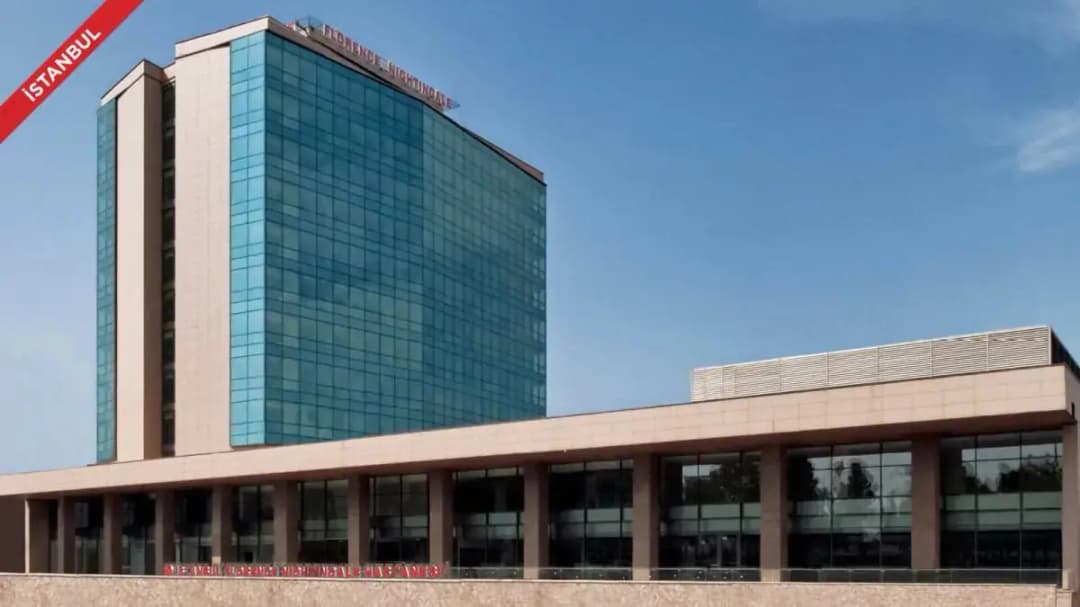
Istanbul Florence Nightingale Hospital, located in Şişli, Istanbul, is Turkey's first Smart-and-Green hospital, built in accordance with TÜV Hessen Green Building Certificate standards. The hospital covers 50,254 sqm across 18 stories and includes a heliport for air ambulance services. It has 251 patient beds, 51 intensive care beds, and 11 surgery rooms. The hospital is equipped with advanced technology, including the EOS device, the first in Turkey designed to reduce radiation exposure in orthopedic imaging. With JCI and ISO accreditations, it is globally recognized for its inpatient care and safety.


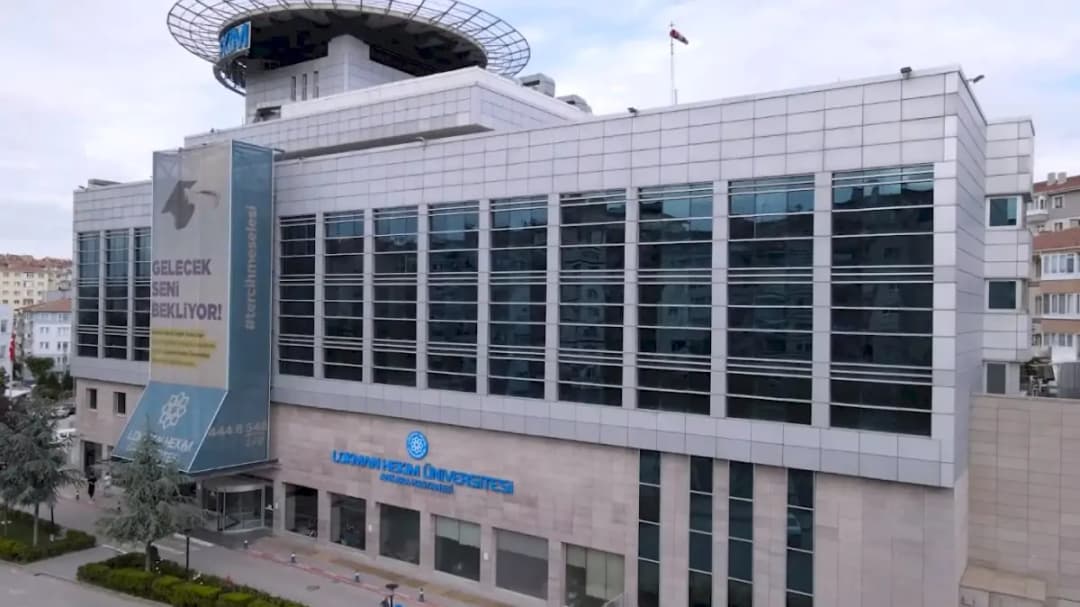
Lokman Hekim University Ankara Hospital is a private multi-specialty medical center in Ankara, Turkey. The team is dedicated to neurosurgery, orthopedics, gastroenterology, and transplantology. Among the clinic's achievements are the success rates: 99.9% for discectomy, 99.9% for brain tumor removal, 99.9% for deep brain stimulation (DBS) surgery, 99.9% for deep brain stimulation (DBS) surgery, 99.9% for brain tumor removal. Located in Sincan, Ankara, Lokman Hekim University Health Application and Research Center have provided exemplary healthcare since 2008. Spanning 17,500 square meters over eight floors, it transitioned to a university hospital in 2020, enhancing its medical care, education, and research. It offers comprehensive services, equipped with six operating theaters, a helipad, 82 ICU beds, and 134 inpatient beds. Lokman Hekim University Ankara Hospital serves both adults and children. Patients from the Balkans, Africa, and Arab League States visit the clinic most often.

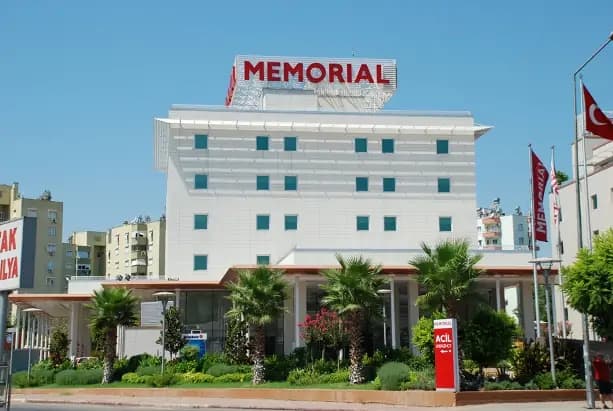
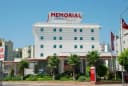
Memorial Antalya Hospital is a private multidisciplinary hospital in Turkey. It specializes in medical and radiation oncology, general, plastic, and reconstruction surgery. Memorial Antalya Hospital meets international standards of quality and safety according to the JCI (Joint Commission International), an authoritative organization evaluating world-class medical centers.
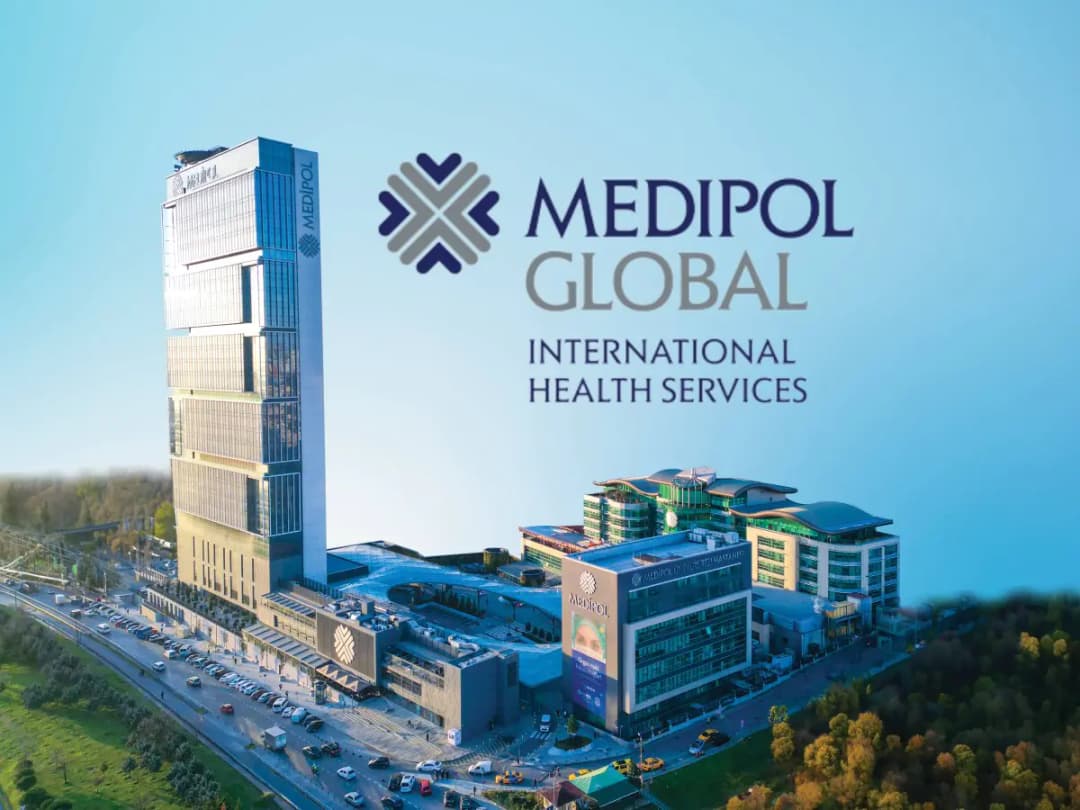
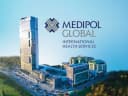
Medipol University Hospital is one of the largest multi-specialty medical institution in Turkey. Daily, over 1,200 patients trust their health to Medipol's experts. The hospital is equipped with advanced technologies, i.e, Da Vinci Surgical System, Cyber and Gamma Knives. Doctors specialize in cancer, neurological, and cardiovascular treatment. Organ transplantation, bone marrow transplant and IVF are among key specialties of the hospital.

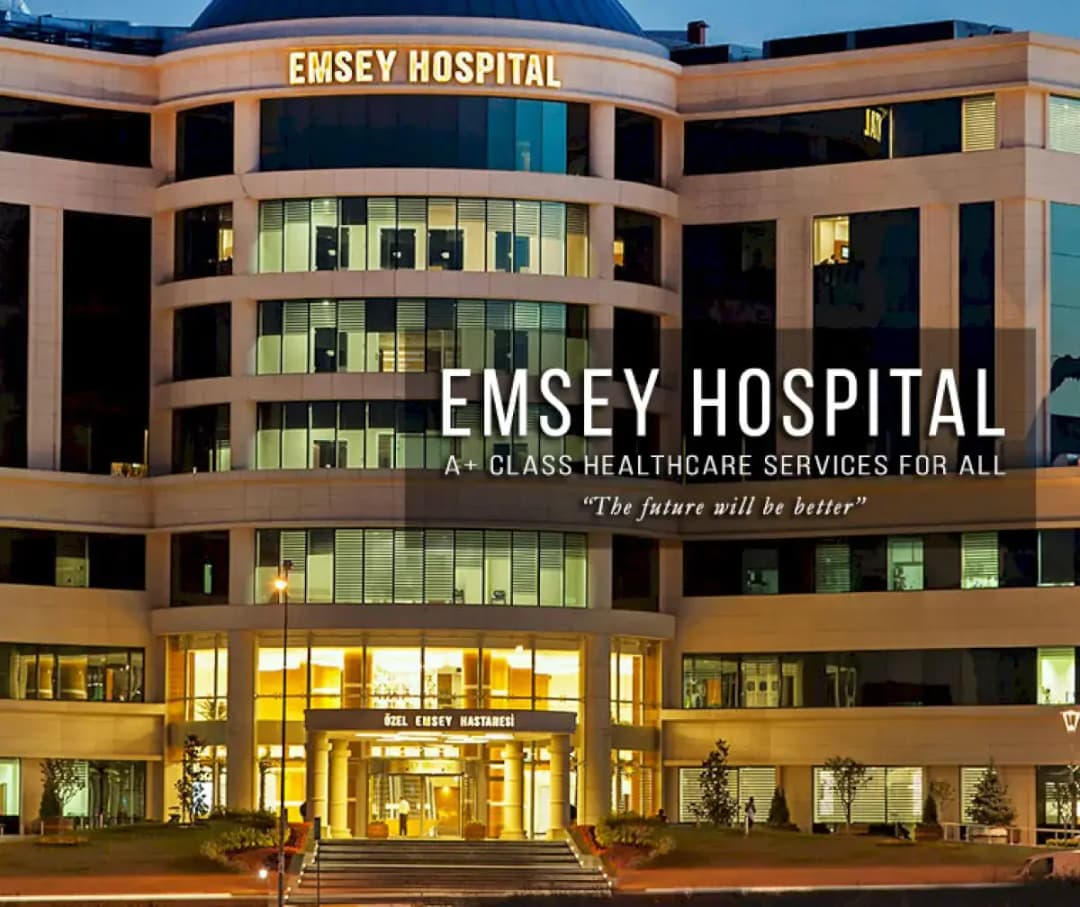
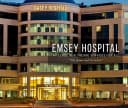
Emsey Hospital, one of Turkey's multi-specialty private medical centers, provides health services at the A+ class level hospital. The hospital has ISO and JCI accreditations as a reliable medical center. The facility offers general, surgical, and internal medicine treatments as a general hospital. Emsey Hospital has provided healthcare services to patients worldwide since 2012. The hospital's Advanced Spine Surgery Center performs congenital and complicated orthopedic treatments, from scoliosis to spine fusion surgeries. The Bone Marrow Transplantation Unit is one of the largest BMT units in Turkey, with 45 beds.


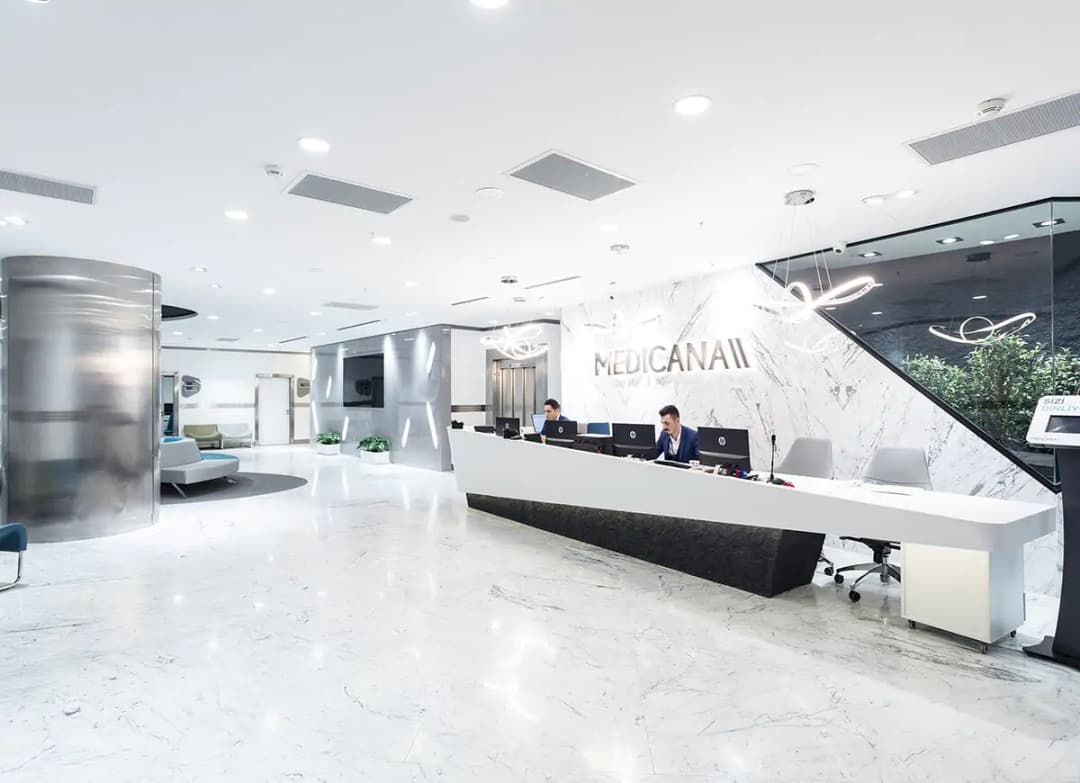
Medicana Bahçelievler Hospital belongs to Medicana Hospital Group, one of the biggest in Turkey. Organ Transplant Center and Nephrology, Cardiovascular Surgery, Cardiology, Liver, Bile Tracts, Pancreas Surgery, IVF, Gastroenterology, Urology, Gynecology and Obstetrics are the strongest specialties.
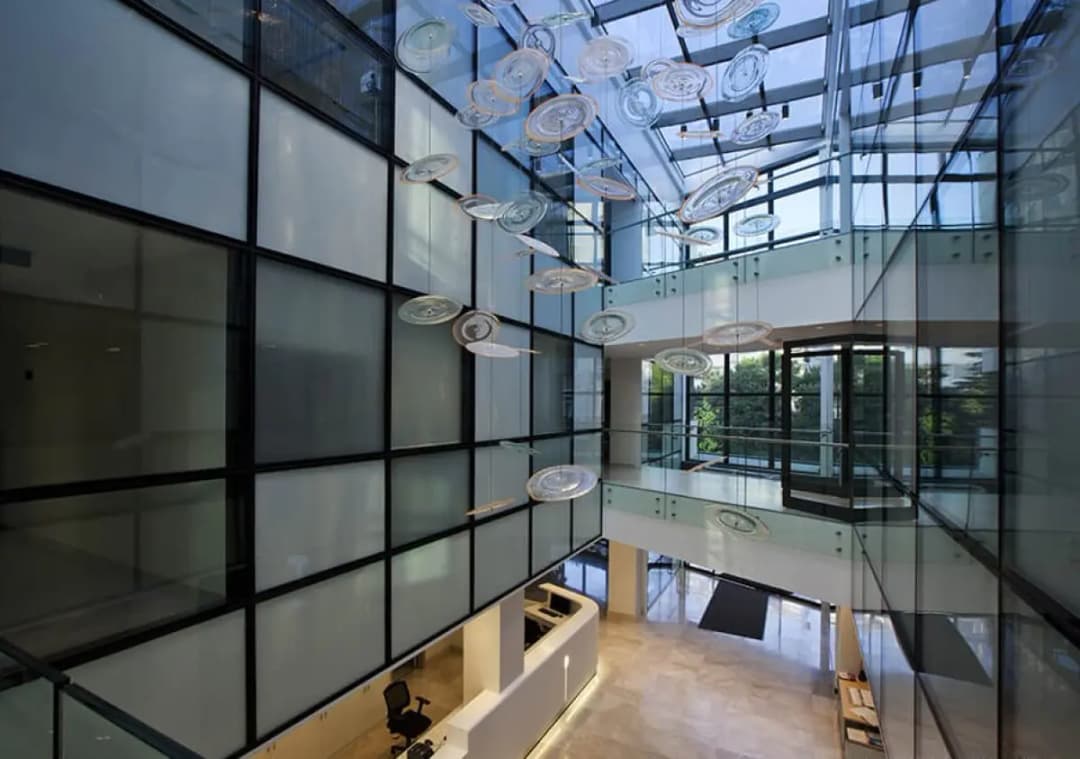
Estexper Clinic is a private multi-specialty medical center located in Istanbul, Turkey. The team focuses on dental treatment, plastic surgery, aesthetic medicine, cosmetology, and weight loss surgery. Estexper Clinic serves only adults. Every year, 2,600 patients choose Estexper Clinic for medical care. Patients from the USA, Canada, and Australia visit the clinic most often.



Reborn Clinics is a private medical center in Istanbul, offering specialized services in aesthetic medicine and cosmetology, reproductology, and longevity health. Reborn Clinics serves adult patients exclusively, and every year, around 5,000 patients choose the clinic for medical care. Patients from Europe, CIS and Arab League States choose Reborn for treatment mostly.


OrtoCare Clinic is a private multi-specialty medical center located in Istanbul, Turkey. The clinic specializes in orthopedics, rehabilitation, hand surgery, and spinal surgery. It is equipped with cryotherapy cabins to enhance patient care. OrtoCare Clinic provides services for adults and children, attracting around 1,000 patients annually. Most patients come from CIS countries, Europe, the Commonwealth, and Arab League states.