
Medicana Sivas Hospital
5.01 Reviews

Ophthalmology is a specialised medical field dedicated to eye health, vision care, and the diagnosis and treatment of eye conditions. It focuses on protecting eyesight, managing visual disorders, and preventing vision loss through early detection and expert medical care.
This page provides a complete overview of ophthalmology, explains what ophthalmology is, clarifies who an ophthalmologist is, and outlines when to see a doctor of eyes — all in one comprehensive resource designed to fully satisfy user intent in a single visit.
What is ophthalmology? Ophthalmology is the branch of medicine that deals with the anatomy, function, and diseases of the eyes. It covers medical and surgical care for vision problems and eye disorders affecting people of all ages.
Unlike basic vision correction, ophthalmology involves advanced clinical assessment, diagnostic testing, and specialised treatments aimed at preserving and restoring sight. For this reason, ophthalmology plays a vital role in long-term eye health management.
Ophthalmology addresses a broad spectrum of eye-related conditions, ranging from common vision issues to complex eye diseases requiring specialised intervention.
These include blurred vision, eye infections, inflammatory eye conditions, age-related eye disorders, and vision changes linked to chronic health conditions. Early ophthalmology assessment is essential to prevent permanent damage and support healthy vision over time.
An ophthalmologist is a fully qualified medical doctor who specialises in eye care and vision health. Often referred to as a doctor of eyes, an ophthalmologist is trained to diagnose eye diseases, prescribe medical treatments, perform eye surgery, and manage long-term eye conditions.
If you are looking for a clear explanation of the role, responsibilities, and training involved, our guide on the ophthalmologist meaning provides a detailed overview.
Ophthalmology includes several subspecialties that focus on specific areas of eye health.
Retina care involves diseases affecting the back of the eye and vision loss linked to systemic conditions.
Cornea specialists manage disorders of the eye’s outer surface, including infections and structural damage.
Glaucoma focuses on controlling eye pressure to protect the optic nerve.
Cataract care addresses clouding of the eye’s lens that reduces visual clarity.
These subspecialties allow ophthalmology to provide targeted and effective eye care.
Seeing an ophthalmologist is recommended if you experience changes in vision, persistent eye discomfort, redness, or difficulty focusing. Regular eye examinations are also important even without symptoms, particularly for early detection and prevention.
Timely visits to a doctor of eyes help identify potential issues before they progress and support lifelong visual health.
An ophthalmology consultation usually begins with a detailed eye examination, vision testing, and diagnostic assessment. Based on the findings, treatment may include medication, corrective solutions, monitoring, or surgical intervention when required. Follow-up care ensures treatment effectiveness and ongoing eye health support.

The cost of ophthalmology treatments and eye surgeries varies depending on the procedure type, country, healthcare system, and level of technology used. Factors such as surgeon expertise, clinic standards, and whether premium lenses or advanced laser systems are used significantly affect overall pricing.
| Treatment Type | Turkey (TR) | United Kingdom (UK) | United States (USA) | Germany (DE) |
|---|---|---|---|---|
| LASIK / Laser Eye Surgery (Both Eyes) | $1,500 – $2,500 | $4,000 – $6,500 | $4,500 – $7,000 | $3,500 – $5,500 |
| Cataract Surgery (Single Eye – Standard Lens) | $1,200 – $2,200 | $3,500 – $5,500 | $4,000 – $6,500 | $2,500 – $4,500 |
| Premium (Trifocal) Lens Exchange (Single Eye) | $2,000 – $3,500 | $5,000 – $8,000 | $6,000 – $9,000 | $4,000 – $6,000 |
| Glaucoma Surgery | $1,800 – $3,500 | $4,500 – $7,500 | $6,000 – $11,000 | $4,000 – $7,000 |
| Vitreoretinal Surgery (Retinal Detachment, etc.) | $3,000 – $5,500 | $8,000 – $13,000 | $12,000 – $20,000 | $7,500 – $11,500 |
| Comprehensive Eye Examination | $80 – $180 | $250 – $450 | $300 – $600 | $200 – $400 |

An ophthalmologist is a medical doctor specialising in eye health, vision care, and the diagnosis and treatment of eye diseases. Choosing the right ophthalmologist is essential for protecting your eyesight, managing eye conditions, and receiving expert medical or surgical care when needed.
This page helps you understand when to see an ophthalmologist, what services they provide, and how to find the right eye specialist for your needs.
An ophthalmologist provides comprehensive medical and surgical eye care. Unlike general eye care providers, an ophthalmologist is qualified to diagnose complex eye conditions and offer advanced treatment options.
Common conditions treated by an ophthalmologist include:
Seeing an ophthalmologist ensures that eye problems are assessed and treated by a fully trained eye specialist.
You should consider booking an appointment with an ophthalmologist if you experience blurred vision, eye pain, persistent redness, sensitivity to light, or sudden changes in eyesight. Regular eye examinations are also recommended for early detection, even if no symptoms are present.
An ophthalmologist can identify issues before they progress and provide personalised treatment plans.
An appointment with an ophthalmologist usually begins with a detailed eye examination and vision assessment. Diagnostic tests may be performed to evaluate eye health, followed by a discussion of findings and treatment options.
Depending on your condition, treatment may involve medication, monitoring, corrective solutions, or surgical procedures. Follow-up care ensures long-term eye health and treatment effectiveness.
Selecting the right ophthalmologist involves considering experience, areas of expertise, and access to diagnostic and treatment facilities. Many patients also value clear communication, trust, and continuity of care.
Finding an ophthalmologist who understands your needs helps ensure safe and effective eye care.
Patients often choose ophthalmologists for their precision, clinical expertise, and ability to manage both routine and complex eye conditions. Professional care, accurate diagnosis, and structured follow-up contribute to positive treatment outcomes and patient confidence.

Cagin Eye Hospital is the largest private hospital for eye treatment in Turkey. Doctors of the Medical Center perform laser correction of vision, strabismus and cataract surgery, treat corneal diseases and injuries. The Clinic applies the most modern ophthalmologic techniques — PRK, LASEK, LASIK, iLASIK, and corneal cross-linking (treatment of keratoconus without surgery). NASA approves the iLASIK technology for the astronauts' treatment. 380 foreign patients undergo eye treatment in Cagin Hospital annually.

Istanbul Okan University Hospital is a private multi-specialty medical center in Istanbul, Turkey. The team specializes in neurosurgery, orthopedics, oncology, and transplantology. Istanbul Okan University Hospital serves both adults and children. More than 200,000 patients annually choose Istanbul Okan University Hospital to receive medical care. Patients from Europe, the Commonwealth, the Balkans, and CIS countries visit the clinic most often.



Medicana Bahçelievler Hospital belongs to Medicana Hospital Group, one of the biggest in Turkey. Organ Transplant Center and Nephrology, Cardiovascular Surgery, Cardiology, Liver, Bile Tracts, Pancreas Surgery, IVF, Gastroenterology, Urology, Gynecology and Obstetrics are the strongest specialties.


Grand Clinic is a private multi-specialty medical center located in Istanbul, Turkey. The strongest specialties are hair transplantation, aesthetic and plastic surgery, medical aesthetics, dental aesthetics and bariatric surgery. Grand Clinic is a clinic that draws on the academic knowledge and experience of Turkey and provides diagnostic and treatment services in the departments of general hospitals with the help of its experienced medical staff. Grand Clinic doctors believe that looking great and feeling great are one and the same, so they take a holistic approach to everything they do. The clinic employs experienced specialists and medical and administrative staff who accompany patients throughout the medical journey, as well as help with travel planning, hotel reservations and transfers. Grand Clinic knows that guaranteeing patients the safety of procedures, ensuring the quality of procedures and satisfaction with the work of doctors is very important, therefore the clinic staff strives for true honesty, transparency and decency. Grand Clinic serves only adults. 450 patients choose Grand Clinic to get medical care every year. Patients from Europe, Latin America and the USA visit the clinic most often.

Dünyagöz Hospitals Group opened its Konya branch in May 2016. Dünyagöz Konya offers all kinds of eye care services for local citizens and international patients. Dünyagöz Hospitals Group is a top medical network in Turkey serving people 24/7.


Dunyagoz Adana is a part of Dünyagöz Hospitals Group, one of the largest in Turkey which brings solutions to all kinds of problems related to ocular and periocular health 24/7. The clinic in Adana is available since July 2011.

Dünyagöz Sakarya was opened in May 2015 with the aim of meeting all eye health-related needs of the people of Sakarya. Located in the heart of Sakarya, the clinic provides comprehensive diagnostic and treatment services in all eye-related issues. Dünyagöz Sakarya is a part of Dunyagoz Eye Hospitals Group, a leading network in ophtalmology in Turkey.

Dünyagöz Hospitals Group Samsun brings all kinds of ocular and periocular care. The clinic has been serving patients since August 2011. Located in Doktor Kamil Street, one of the busy streets that connect to Samsun’s city center, Dünyagöz Samsun offers diagnostic and treatment for the people of Samsun, the entire Black Sea Region, and global comers.
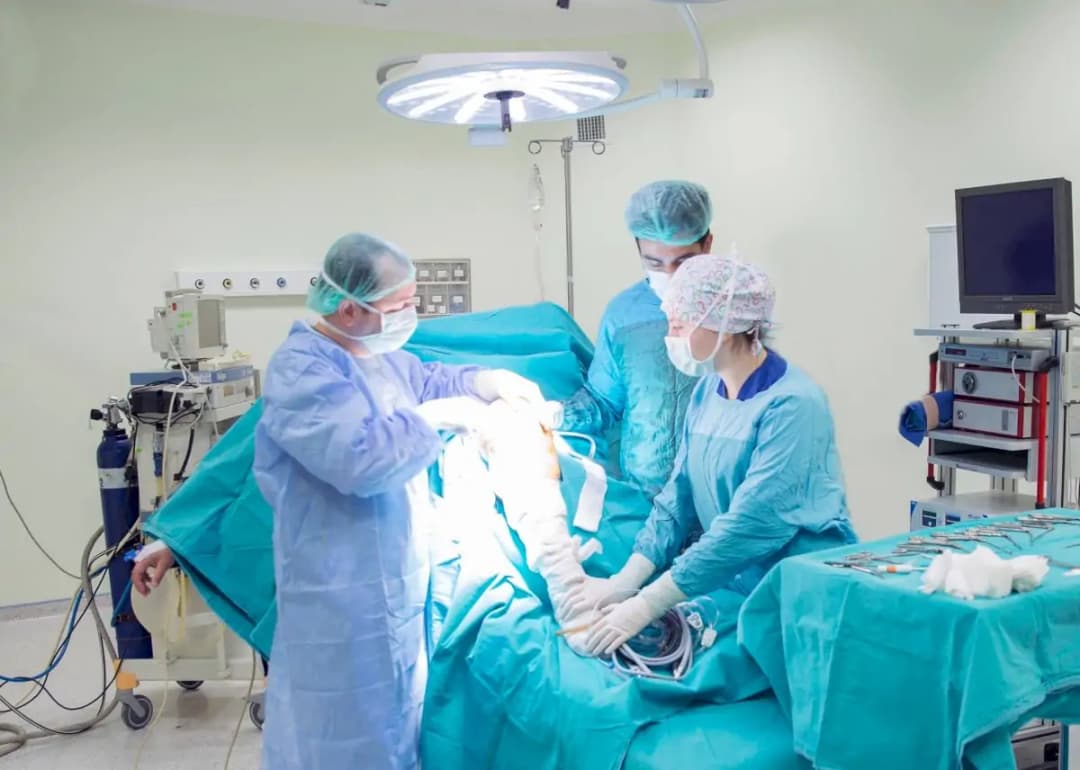
Optimed Hospital is a private multi-specialty medical facility based in Istanbul, Turkey. The hospital has 24 departments including neurosurgery, cardiology, heart surgery, plastic surgery. The local team serves over 500,000 patients per year and welcomes international patients as well. The high quality of Optimed services is proven by ISO Certificate. In 2019, the center was named the Mother Friendly Hospital.